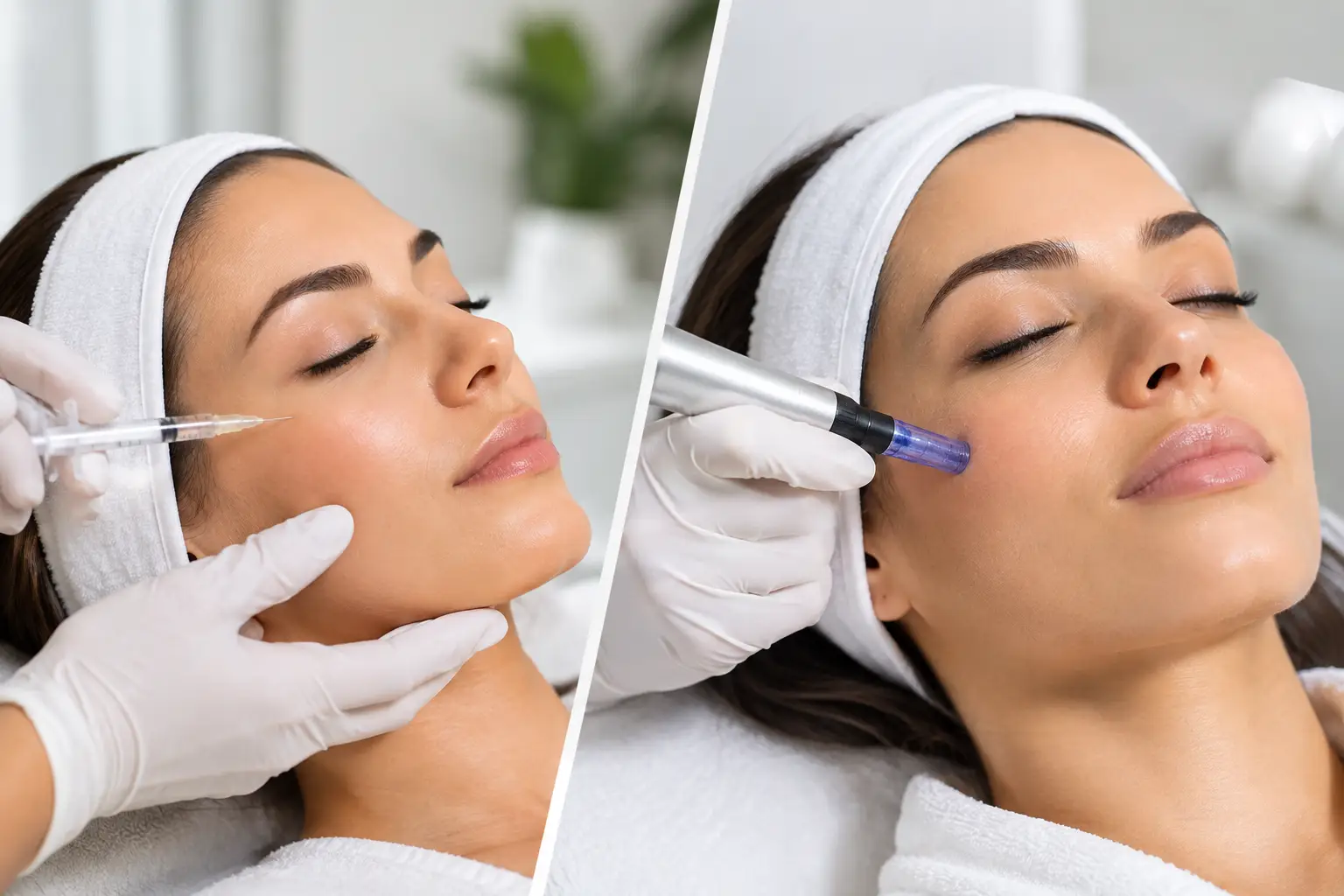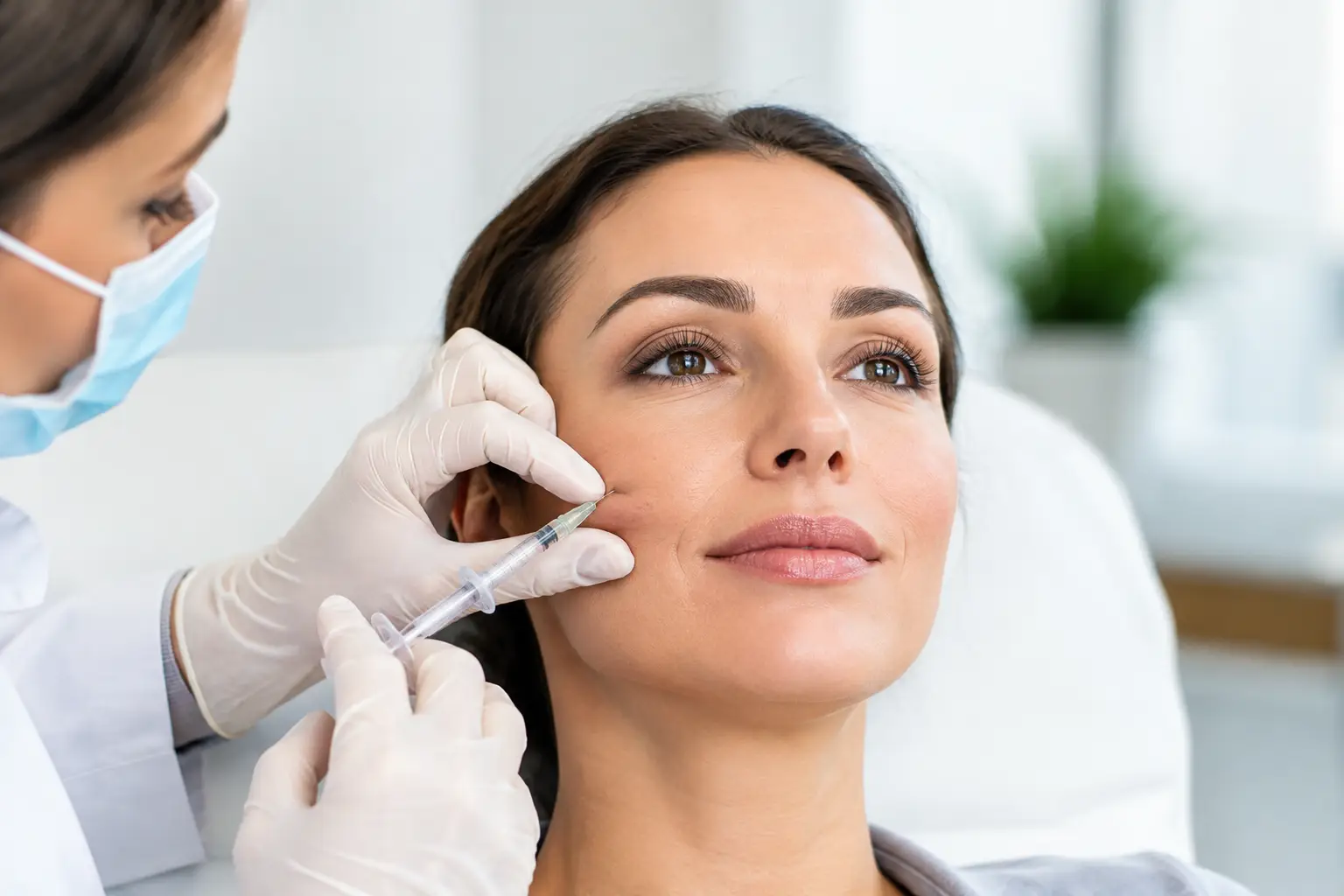
A line across the forehead, a less defined jawline and lips that seem to have lost their shape can all make the face look less refreshed. Yet they do not have the same cause. Understanding filler versus wrinkle injections is the starting point for choosing a treatment that supports your features rather than simply chasing a trend.
Both treatments are injectable, non-surgical and widely used to create a fresher-looking appearance. The key difference is simple: wrinkle injections work with muscle movement, while dermal fillers restore or create volume and contour. In many cases, the most natural result comes from knowing which concern you are actually treating.
Filler versus wrinkle injections: the core difference
Anti-wrinkle injections are designed for lines caused by repeated facial expression. When we smile, frown, squint or raise our eyebrows, facial muscles contract and fold the skin above them. Over time, these movement lines can become more noticeable, even when the face is at rest.
A carefully placed anti-wrinkle treatment relaxes targeted muscle activity for a temporary period. This can soften the appearance of forehead lines, frown lines and crow’s feet, while still allowing for natural expression when treatment is planned conservatively. It may also be used for concerns such as a gummy smile, chin dimpling or a downturned mouth, depending on a full facial assessment.
Dermal filler does something different. Most modern fillers are made with hyaluronic acid, a substance that attracts water and is naturally found in the skin. It is used to add volume, refine shape and improve facial proportions. Rather than reducing movement, filler can support an area that has become flatter, hollow or less defined.
This makes filler suitable for lips, cheeks, jawline definition, chin projection, smile lines, tear trough concerns and selected non-surgical contouring treatments. The right technique depends on the area, the quality of the skin and the look you want to achieve.
What wrinkle injections can treat
Wrinkle injections are most effective when a line appears or deepens with expression. Think of the horizontal lines that form when you lift your brows, the vertical lines between the eyebrows when concentrating, or fine creases at the outer corners of the eyes when smiling.
The aim is not to make every face completely still. A skilled treatment plan considers your natural brow position, facial movement and personal preference. Some clients want a very smooth finish; others prefer a softer treatment that preserves more movement. Neither approach is automatically right. The best choice is the one that suits your face and feels like you.
Results tend to develop gradually over the days after treatment, rather than appearing immediately. The effects are temporary, and maintenance appointments are usually needed to retain the result. How long they last varies between individuals and treatment areas.
Wrinkle injections may be less helpful when a crease is present without expression because of skin laxity, reduced collagen or lost volume beneath the skin. In that situation, treating muscle movement alone may not produce the change you are hoping for.
Where dermal filler makes the difference
Facial volume changes naturally over time. The cheeks may look flatter, the temples can appear hollow, lips can lose definition and the lower face may seem less structured. Weight changes, genetics and skin ageing can all influence how these changes show up.
Dermal filler can be placed strategically to restore balance and support. Cheek filler, for example, may create a subtle lift and improve the transition between the under-eye and mid-face. Chin or jaw filler can bring greater profile definition. Lip filler can enhance shape, hydration and symmetry without necessarily creating an overly full look.
The most flattering results rarely come from treating one feature in isolation. A client requesting jaw enhancement may benefit from considering chin proportion too. Someone concerned about deep smile lines may need mid-face support rather than filler placed directly into the lines alone. This is why an in-person consultation matters: it allows the practitioner to assess the face from different angles and discuss what will look balanced.
Hyaluronic acid filler results are visible straight away, although there can be temporary swelling and the final settled appearance takes time. Results are not permanent and longevity varies according to the area treated, product used, metabolism and lifestyle.
Can you have filler and wrinkle injections together?
Yes, and for many people the treatments complement each other. They address different aspects of facial ageing and expression. Wrinkle injections can soften a strong frown, for example, while filler may restore volume in the cheeks or refine the chin and jawline.
A combined approach should never mean treating every possible area. More product does not automatically create a better result. The focus should be on proportion, skin quality and maintaining the character of your face. Sometimes the most effective treatment plan is a small amount of product in one carefully chosen area. Sometimes it is sensible to wait, review and build gradually.
There are also occasions when neither treatment is the immediate answer. If dehydration, dullness or crepey skin texture is the main concern, a skin booster or Profhilo treatment may be more appropriate for improving hydration and skin quality. These treatments work differently again, supporting a healthier-looking glow rather than creating significant volume or reducing muscle movement.
Choosing based on your concern, not the treatment name
It is easy to arrive at a consultation asking for a specific injectable because it worked for a friend or looked impressive online. Your facial anatomy, muscle strength and desired outcome are individual, so the same treatment may not be the right fit for you.
As a useful guide, wrinkle injections may suit lines that become more pronounced when you move your face. Filler may suit areas that look hollow, flat, undefined or asymmetrical. If you have both movement lines and volume loss, a staged combination plan may be considered.
Be clear about the result you want to see. Saying that you want to look less tired, more balanced, subtly refreshed or more defined is often more helpful than requesting a certain number of millilitres. A good practitioner can translate that goal into a treatment recommendation and explain the likely limitations honestly.
Safety, suitability and realistic expectations
Injectable treatments should always begin with a proper consultation. Your practitioner should discuss your medical history, current medicines, allergies, previous aesthetic treatments and any relevant lifestyle factors. They should also explain expected benefits, limitations, aftercare and possible temporary side effects, such as redness, swelling, tenderness or bruising.
Filler is a highly skilled treatment, particularly in areas with complex facial anatomy. Choose a suitably trained, experienced practitioner who works with recognised products and prioritises safety over speed. Never attempt injectable treatment yourself or accept treatment in an unsuitable setting simply because it is cheaper.
Follow the aftercare provided by your practitioner and give the area time to settle. If you experience severe or unusual pain, marked skin colour changes or any concern following filler, contact your treatment provider promptly and seek urgent medical advice where necessary.
At Mr Aesthetics in Leigh, treatment planning is centred on your facial features, your concerns and a natural-looking finish. Whether you are new to injectables or refining an established aesthetic plan, a consultation gives you the space to ask questions without pressure.
The right injectable treatment should make you feel more like yourself on a well-rested day, not like somebody else. Start with the concern you want to improve, choose an experienced practitioner, and allow a considered plan to do the work.