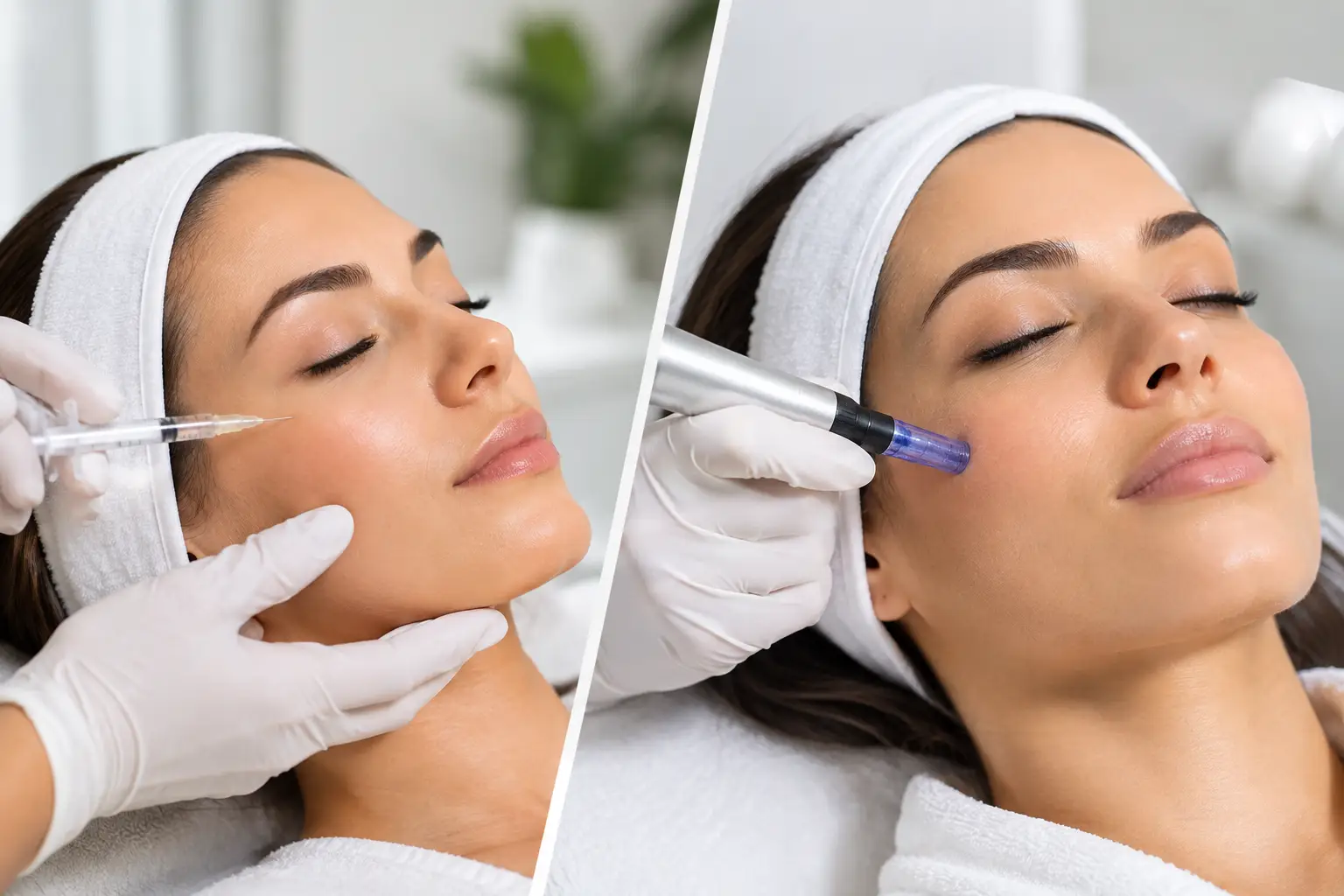
A complexion can look tired for more than one reason. Dehydration may make fine lines appear sharper, while changes in collagen can affect smoothness, firmness and the way light reflects from the skin. That is why the choice between skin boosters vs microneedling is not simply about choosing the newest treatment. It is about matching the treatment method to what your skin is asking for.
Both treatments can support a fresher, healthier-looking complexion without surgery, yet they work in distinctly different ways. One focuses primarily on deep hydration and skin quality through carefully placed injections. The other uses controlled micro-injuries to encourage the skin’s natural repair response. Understanding that difference can make your consultation feel far more straightforward.
Skin boosters vs microneedling: the key difference
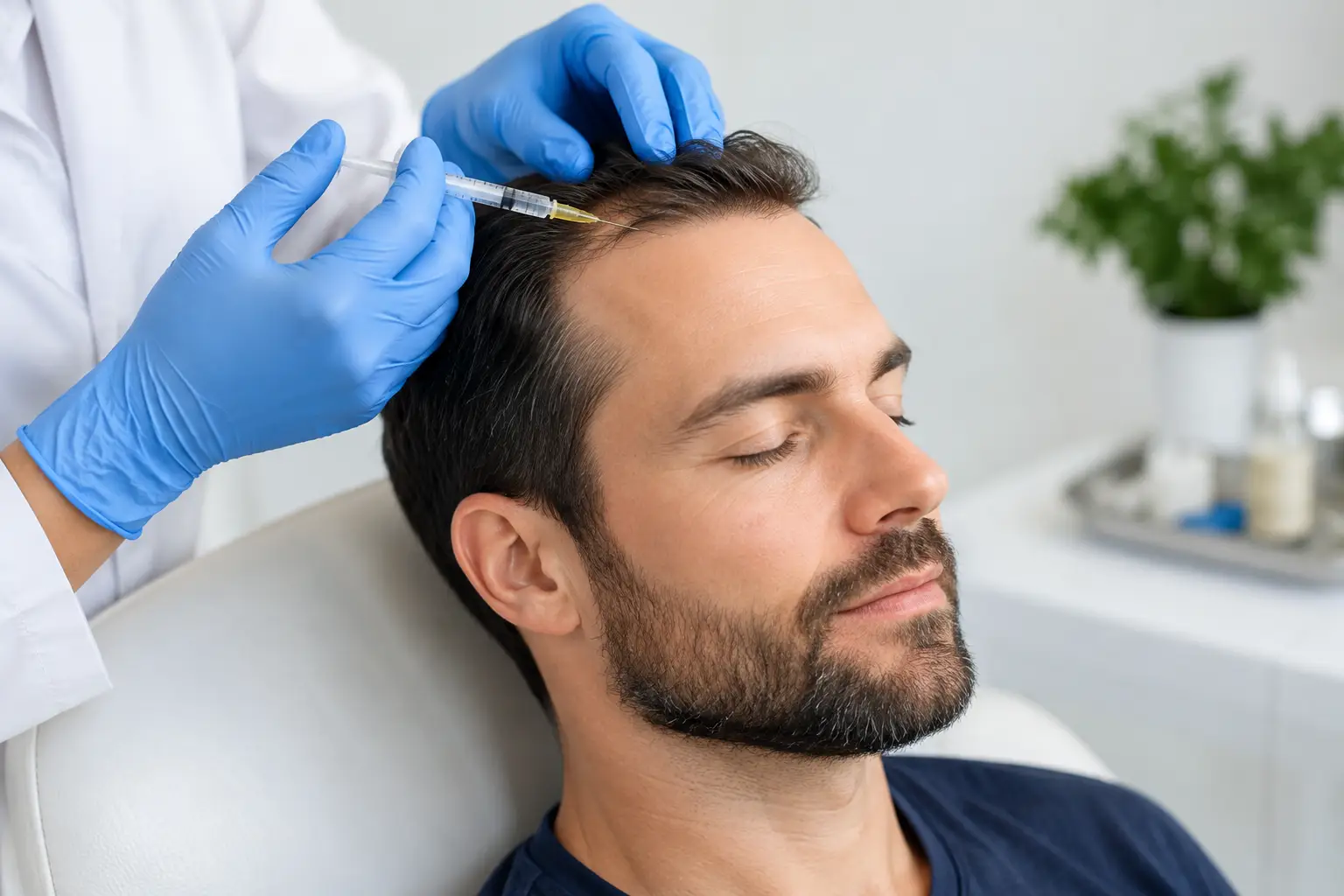
Skin boosters are injectable treatments designed to improve hydration, elasticity and overall skin quality. Most are based on hyaluronic acid, a substance that naturally occurs in the body and helps attract and retain water. Unlike dermal filler, which is placed to create volume or shape in areas such as the lips, cheeks or jawline, a skin booster is usually administered in small amounts across an area of concern.
The aim is not to alter your facial features. It is to give the skin a more hydrated, luminous and rested appearance. Skin boosters may be considered for the face, neck, décolletage and hands, depending on the product selected and a practitioner’s assessment.
Microneedling works from a different starting point. A device creates very fine, controlled channels in the skin’s surface. This process is intended to trigger the body’s wound-healing response, supporting collagen and elastin production over time. It is often chosen by people who want to improve uneven texture, the appearance of enlarged pores, fine lines or certain types of superficial scarring.
In simple terms, skin boosters bring hydration into the skin, while microneedling encourages the skin to renew and strengthen itself. There is some overlap in the glow both can create, but their main strengths are different.
When skin boosters may be the better choice
If your skin feels dry, looks dull despite a good home skincare routine, or has started to appear finely creased, skin boosters can be an appealing option. They are especially popular with clients who want a subtle refresh rather than added facial volume.
Hyaluronic acid holds water within the skin, which can improve its supple, smooth-looking quality. The change is typically refined rather than dramatic: makeup may sit more evenly, the skin may look more luminous, and fine dehydration lines can appear softened. This makes skin boosters particularly suited to clients who say they look tired even when they feel well.
They can also complement other aesthetic treatments. For example, anti-wrinkle injections address lines caused by repeated muscle movement, while skin boosters focus on the quality and hydration of the skin itself. Dermal filler can restore structure or contour where volume has been lost, and a skin booster can help the overlying skin look healthier. A skilled treatment plan considers these concerns separately rather than relying on one procedure to do every job.
Results develop gradually and may be best after an initial course, followed by maintenance at intervals advised by your practitioner. The exact plan depends on the product used, your skin condition and your goals.
What does recovery look like?
Skin booster appointments are usually relatively quick. Small raised points, redness, tenderness or minor bruising can occur after injections. These effects are commonly temporary, but timing matters. If you have an important event, photographs or a holiday planned, allow enough time for your skin to settle rather than booking at the last minute.
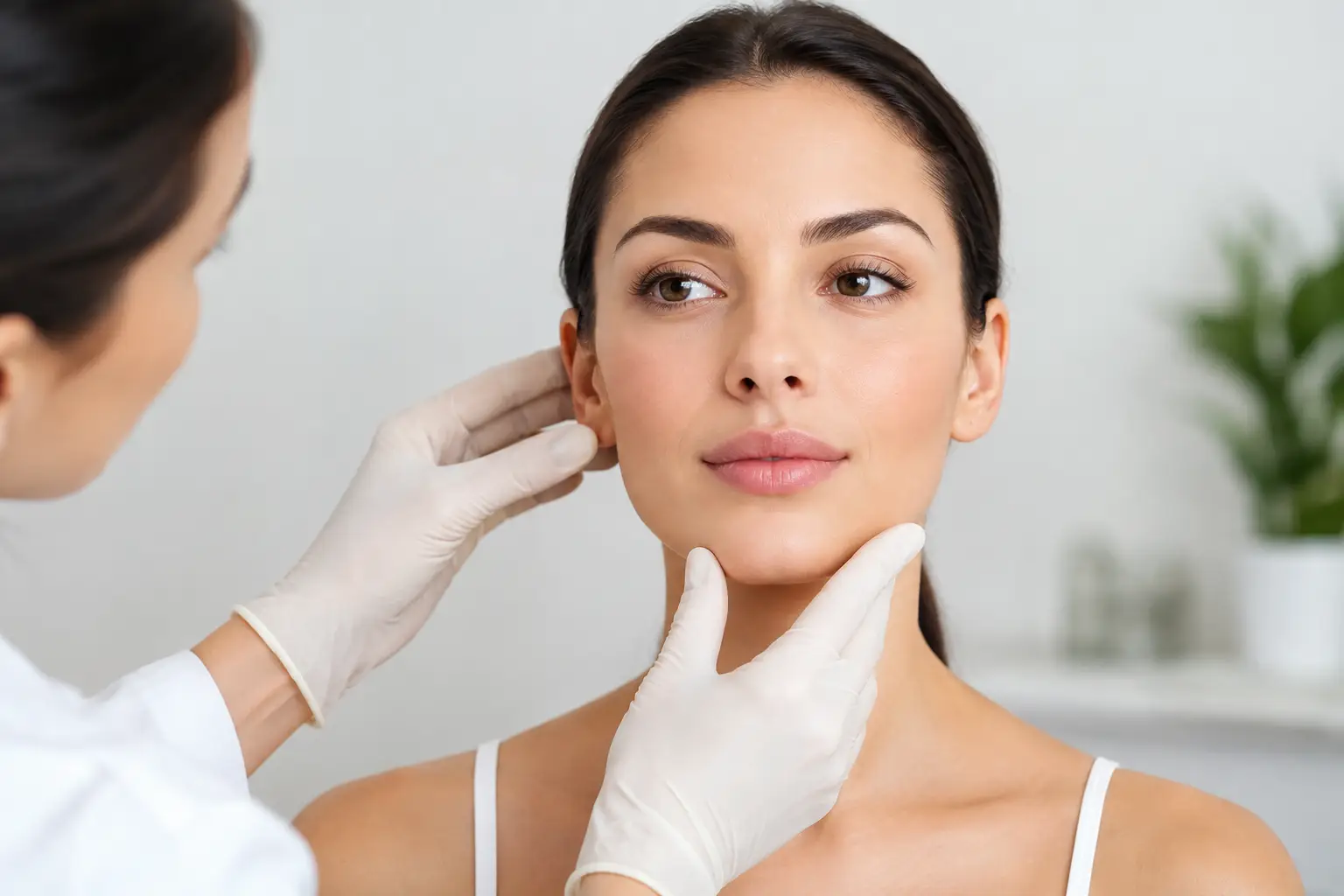
As with any injectable treatment, your practitioner should assess suitability, explain expected effects and discuss relevant risks before proceeding. Treatment should always be carried out in an appropriate clinical setting by a trained professional.
When microneedling may be the better choice
Microneedling is often better suited to concerns centred on texture rather than hydration alone. If your skin feels rough, looks uneven, or has visible pores and fine lines, collagen stimulation may be more relevant than adding hyaluronic acid hydration.
The skin’s repair process does not happen overnight. After microneedling, collagen remodelling takes time, so improvements tend to build over a course of treatments and continue to develop in the weeks that follow. This slower timeline can be worthwhile for clients seeking gradual, natural-looking refinement.
A temporary pink or red appearance is expected after treatment, much like a mild sunburn. Sensitivity, tightness and light flaking may also occur as the skin settles. Downtime varies according to the treatment intensity and individual skin response, but you should plan to follow your practitioner’s aftercare closely, particularly around skincare, sun exposure and make-up.
Microneedling is not appropriate for every active skin concern or every stage of skin sensitivity. An in-person assessment matters because using a treatment at the wrong time can be unhelpful for the skin. This is one reason professional advice is more valuable than choosing solely from before-and-after images online.
Which gives better results?
Neither is automatically better. The more useful question is: better for what?
For a dehydrated, lacklustre complexion with fine lines, skin boosters are often the more direct choice. They can create a soft, dewy quality that suits people who want their skin to look well rested without looking treated.
For texture, early laxity, visible pores or a complexion that lacks smoothness, microneedling may be more suitable because it targets collagen and elastin support. It may also appeal to clients who prefer a treatment that works through the skin’s own regenerative processes.
Age is not the deciding factor. Someone in their twenties may benefit from a skin booster if dehydration is their main concern, while someone later in life may choose microneedling to support texture. Equally, mature skin can benefit from hydration, and younger skin can show textural concerns. Your skin quality, lifestyle, treatment history and desired result matter more than a number.
Can you have both treatments?
In some treatment plans, skin boosters and microneedling can be used at different times because they address complementary concerns. One may support hydration and radiance, while the other focuses on texture and collagen stimulation. They should not be treated as interchangeable or automatically combined in the same appointment.
The correct sequencing, spacing and product choice should be determined by a qualified practitioner after assessing your skin. This is particularly important if you are also considering other procedures, such as anti-wrinkle treatment, filler or regenerative treatments. A well-planned approach protects the natural balance of your features and avoids over-treating the skin.
Questions to ask at your consultation
Bring a clear description of what you notice in the mirror. Is it dullness by late afternoon, make-up catching around the cheeks, crepey skin on the neck, pores around the nose, or a general loss of bounce? Specific observations help identify whether hydration, texture, movement-related lines or volume loss is the real priority.
It is also sensible to ask how many sessions may be recommended, when you can reasonably expect to see change, what downtime to plan for and which aftercare steps are required. Be open about previous injectables, current skincare and any relevant health information. A responsible practitioner will give you realistic guidance rather than promise identical results for every face.
For clients in Leigh, Wigan and the wider Greater Manchester area, Mr Aesthetics can help turn a broad goal such as “better skin” into a treatment plan built around your individual features, skin quality and comfort with downtime.
The best choice is the one that treats the concern you actually have, not the treatment currently filling your social feed. A considered consultation gives you the space to choose a refreshed, natural-looking result that still feels completely like you.