Hair thinning can change how you feel when you style your hair, catch your reflection or stand beneath bright lighting. If you are asking, can PRP improve hair density, the encouraging answer is that it can support thicker-looking, healthier hair for suitable clients. Results are gradual rather than instant, and the most convincing outcomes come from a carefully planned course of treatment tailored to the pattern and stage of thinning.
What PRP hair restoration is designed to do
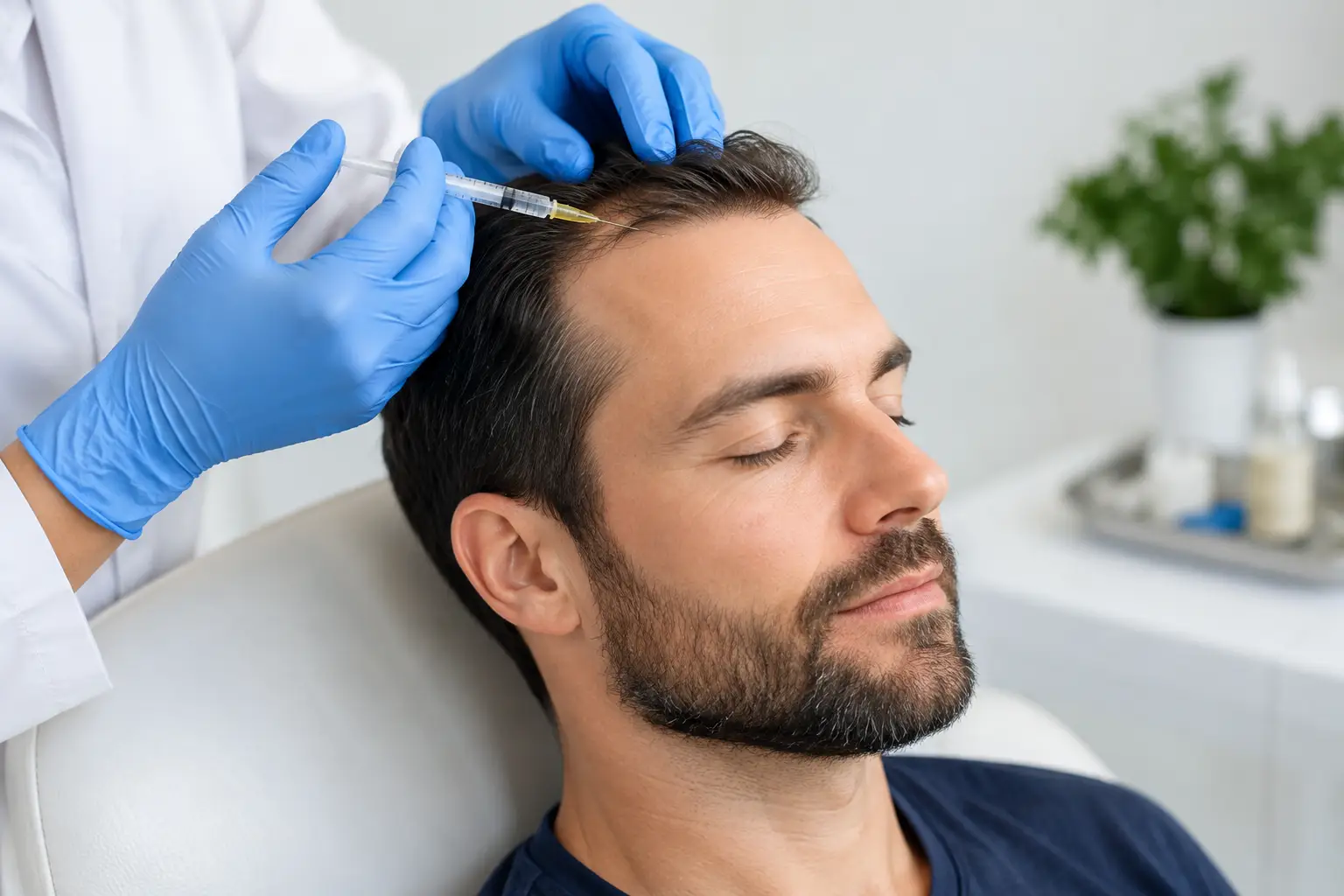
PRP stands for platelet-rich plasma. It uses a concentrated portion of your own blood containing platelets and naturally occurring growth factors. During treatment, a small blood sample is taken and processed to separate the platelet-rich plasma. This is then placed into carefully selected areas of the scalp using a series of precise injections.
The aim is to create a more supportive environment around existing hair follicles. Platelets release growth factors involved in tissue repair and cellular signalling. In hair restoration, this activity may help stimulate underperforming follicles, support the hair growth cycle and improve the calibre of the hairs that continue to grow.
PRP does not transplant new follicles or create hair where follicles are no longer active. Instead, it is a regenerative treatment intended to help make the most of viable follicles. That distinction matters when setting realistic expectations.
Can PRP improve hair density for everyone?
PRP can be a worthwhile option for women and men experiencing early to moderate diffuse thinning, widening of the parting, reduced volume through the crown, or gradual thinning around the hairline. It is often most useful when hairs are becoming finer and less dense, rather than where an area has been completely smooth for a long time.
Hair density is not simply a count of hairs per square centimetre. It is also about hair shaft thickness, coverage and the contrast between the scalp and hair. If PRP helps existing hairs grow stronger and fuller, the scalp can appear less visible and the overall look may feel noticeably denser, even though no treatment can promise a particular amount of regrowth.
Your suitability depends on several factors. The duration and pattern of thinning, the condition of the scalp, general health, current medication and your treatment goals should all be discussed before proceeding. A responsible consultation also helps identify situations where PRP may not be the right first step, or where further medical assessment is appropriate.
Why treatment timing makes a difference
Hair growth works in cycles, so it cannot be judged in the days after an appointment. A follicle moves through growing, transition and resting phases, and each hair is on its own timeline. PRP works with this biology, which is why patience and consistency are part of the process.
Some clients first notice that shedding seems more manageable or that their hair feels easier to style. Visible improvements in thickness and coverage usually take several months to assess properly. Photographs taken under similar lighting, with the same hair parting and length where possible, are far more useful than relying on day-to-day mirror checks.
Most PRP plans begin with a course of sessions spaced several weeks apart, followed by maintenance appointments when appropriate. The exact schedule should reflect your starting point and response to treatment. Skipping straight to a one-off session is unlikely to give the follicles the consistent support needed to assess a meaningful change.
What a PRP appointment involves
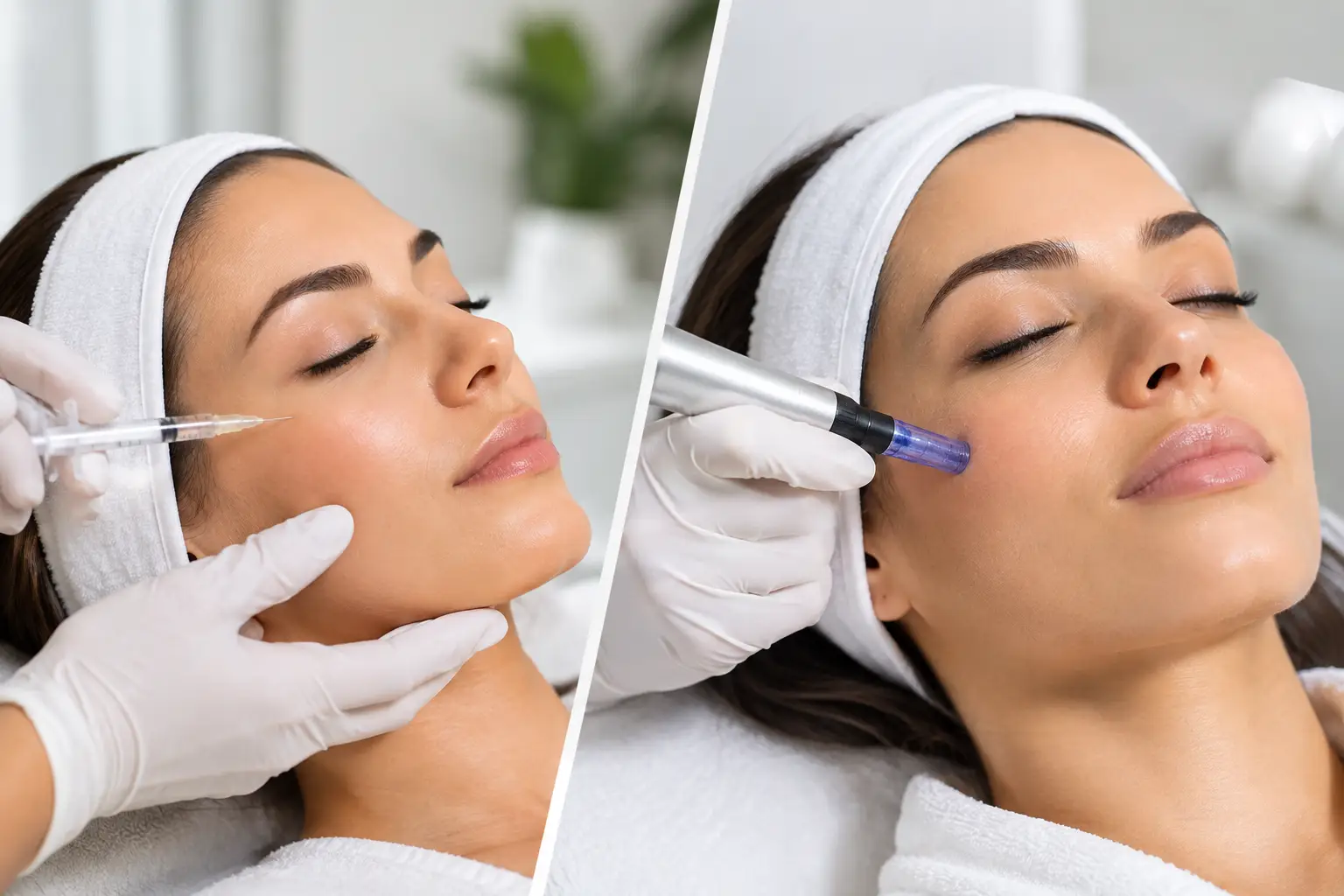
PRP hair restoration is an appointment-based treatment with minimal interruption to your routine. After your consultation and consent process, a small amount of blood is taken, much like a routine blood test. It is then spun in a specialised centrifuge to prepare the platelet-rich plasma.
The scalp is cleansed and the PRP is administered across the areas of concern. You may feel brief pinching or pressure during the injections, particularly around more sensitive parts of the scalp. Treatment time can vary according to the area being addressed, but clients can usually return to normal daily activities shortly afterwards.
A qualified practitioner will explain your individual aftercare. You may be asked to avoid touching or washing the area for a specified period and to postpone intense exercise, heat exposure or alcohol immediately after treatment where advised. Following these instructions helps keep the treated scalp clean and comfortable.
Expected results: fuller-looking, not overnight perfection
The right expectation for PRP is improvement, not a new head of hair overnight. Some people see a subtle change in volume; others notice greater thickness, better coverage at the parting or a reduction in the appearance of scalp. Individual response varies, and results depend on the health and activity of the follicles before treatment begins.
A high-quality plan should be judged over a series of months, not a single appointment. This is especially true for clients whose hair is long, as new growth takes time to contribute to visible overall volume. Regular review allows the treatment plan to be adjusted around what your hair is actually doing.
Lifestyle also plays a supporting role. Gentle hair care, adequate nutrition, managing avoidable traction from very tight styles and addressing scalp discomfort promptly can all help protect the hair you already have. These measures do not replace PRP, but they can help you look after the progress you are working towards.
Side effects and safety considerations
Because PRP is prepared from your own blood, it is generally well tolerated when carried out in an appropriate clinical setting. However, an injectable treatment is never entirely without risks. Temporary tenderness, redness, mild swelling, bruising, a tight sensation or a short-lived headache can occur after scalp injections.
Less common complications, including infection, are reasons to choose a properly trained practitioner who uses suitable hygiene standards and discusses your health history in full. Let your practitioner know about allergies, medical conditions, medications, supplements, recent illness and any previous reactions to injectable treatments.
PRP is not a DIY treatment and should not be approached as a cosmetic shortcut. Careful blood handling, preparation and injection technique are central to both safety and treatment quality. At Mr Aesthetics, the consultation is the point to ask direct questions about the procedure, aftercare and the realistic outcome for your particular hair concerns.
When PRP may need a different approach
PRP is not the best answer for every kind of hair loss. If hair loss is sudden, patchy, accompanied by pain, scaling or inflammation, or follows a significant change in health, seek advice from an appropriate healthcare professional before booking aesthetic treatment. Understanding the cause is essential before deciding whether PRP is suitable.
Likewise, if an area has had no visible hair growth for a considerable time, follicles may not have enough activity left to respond as hoped. An honest practitioner should explain this rather than overpromise. The purpose of a consultation is not simply to approve a treatment, but to decide whether it aligns with what your scalp and follicles can realistically achieve.
Getting the most from a hair-density consultation
Come prepared to discuss when you first noticed the change, whether thinning is progressing, how you usually wear your hair and what result would make you feel more confident. Bringing a few older photographs can be useful, especially if your hair has changed gradually and it is difficult to pinpoint when density reduced.
Ask how your progress will be reviewed, how many initial sessions may be recommended and what maintenance could look like. Clear answers help you commit to the process with confidence rather than chasing quick fixes. PRP works best as a considered investment in healthier-looking hair, with progress measured honestly and at the right pace.
A fuller-looking parting, stronger coverage and renewed confidence can be meaningful changes. The best next step is a professional assessment that respects both your aesthetic goals and the biology of your hair.