A face can look more tired or less defined long before lines become the main concern. Often, the change is in the mid-face: cheeks that once reflected light and supported the under-eye area begin to look flatter. Cheek filler for volume loss is designed to restore that lost structure with a carefully placed hyaluronic acid dermal filler, helping the face look fresher, balanced and naturally lifted rather than obviously altered.
The aim is not to create dramatically high cheekbones for everyone. It is to assess the proportions of your individual face and replace volume where it will make the most positive difference.
Why the cheeks can lose volume
Facial ageing is not simply a matter of wrinkles. Over time, the skin produces less collagen and elastin, while the fat pads and supportive structures beneath the skin can change position and reduce in volume. This can make the cheeks appear hollow, allow the lower face to look heavier, and deepen folds between the nose and mouth.
Lifestyle, weight fluctuations, genetics and skin quality can all influence how early or noticeably this happens. Some people naturally have flatter cheeks and want more definition in their twenties, while others notice a loss of soft, youthful fullness later on. There is no single “right” cheek shape. A good treatment plan starts with what you see in the mirror and the result you would feel confident wearing every day.
How cheek filler for volume loss works
Most modern cheek treatments use a gel made from hyaluronic acid, a substance that occurs naturally in the body and attracts water. When placed at selected points in the mid-face, the filler can provide support, shape and gentle projection. The product and placement matter as much as the amount used.
For volume loss, filler is often placed deeply to recreate structural support before any superficial refinement is considered. This can improve the transition from the under-eye area into the cheek and soften the appearance of shadows caused by a flatter mid-face. It may also create a more rested look around the mouth and jawline because the face is being supported higher up.
The most flattering result usually comes from respecting facial anatomy rather than following a trend. A naturally rounder face may need a different approach from a more angular face. Equally, a person seeking soft rejuvenation may need less projection than someone whose priority is defined cheek contour.
Your consultation should shape the result
A cheek filler appointment should begin with a proper consultation, not a decision based on a single photograph or a requested number of millilitres. Your practitioner will look at facial symmetry, skin quality, existing volume, bone structure and how your features sit at rest and in expression. They should also discuss your medical history, previous aesthetic treatments, allergies and whether this treatment is suitable for you.
You may be asked what you would like to change, but the conversation should go beyond “bigger” or “higher” cheeks. Perhaps you want to look less tired in photographs, restore definition following weight loss, or create better balance between your cheeks, lips and jawline. These details help guide a plan that feels personal.
At Mr Aesthetics, the focus is on results that complement your natural features. In some cases, the best advice may be to treat conservatively first and review once swelling has settled. Building gradually can be particularly valuable if you are new to facial filler or are unsure how much definition you want.
What happens during treatment
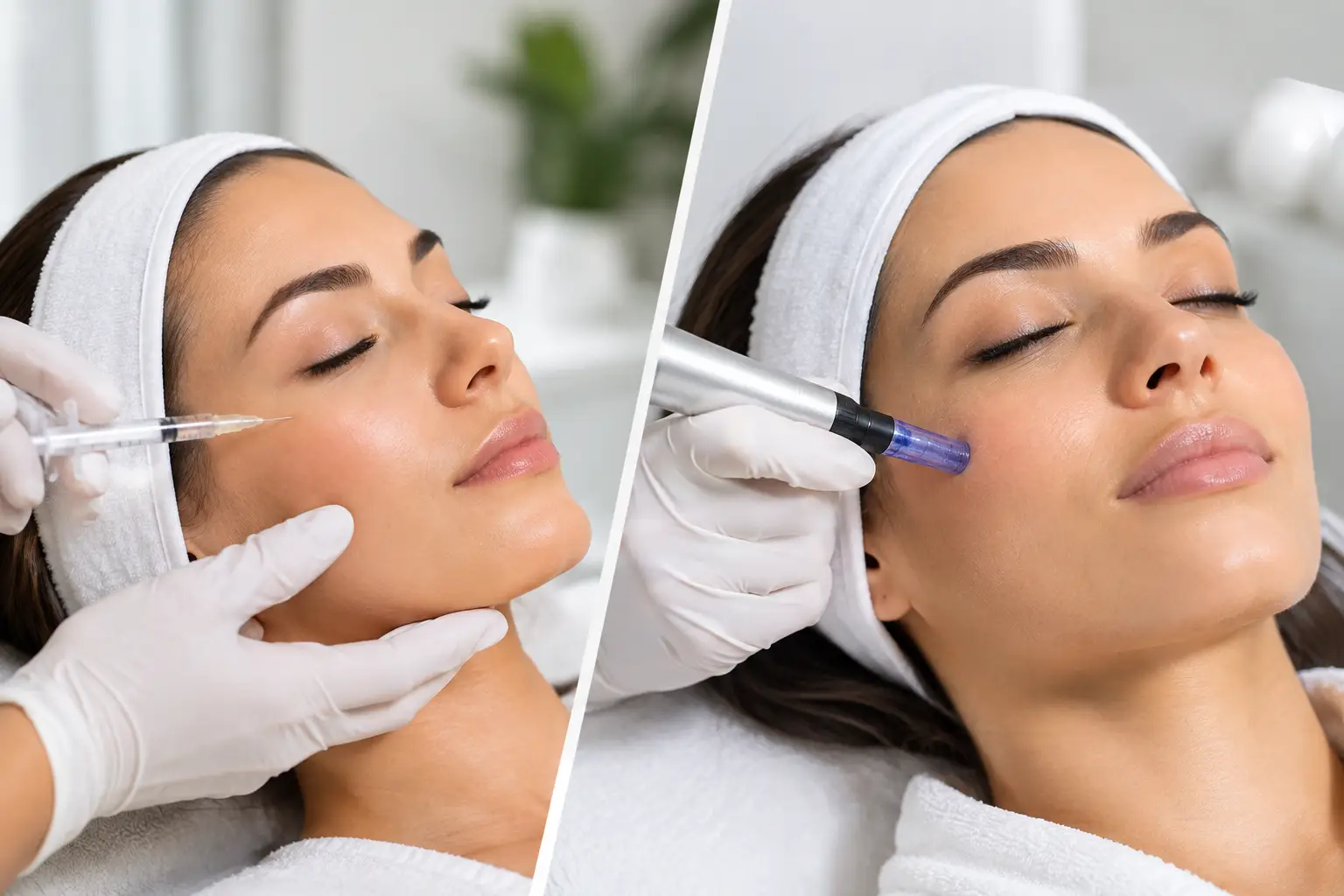
The skin is cleansed and the treatment area is assessed again before injections are performed. A topical numbing cream may be used where appropriate, and many hyaluronic acid fillers also contain local anaesthetic to improve comfort. The procedure itself is usually relatively quick, though your appointment should allow time for consultation, planning and aftercare.
Your practitioner may use a needle, a cannula, or a combination of both depending on the area and the planned technique. You may feel pressure, a brief pinch or a sensation of fullness as product is placed. The cheeks are then assessed from different angles so that the result remains balanced rather than identical on both sides. Natural faces are not perfectly symmetrical, and treatment should account for that.
You can usually return to normal daily activities soon afterwards, although it is sensible to allow for possible redness, tenderness or visible swelling when arranging social plans.
Results, swelling and how long filler lasts
You may see more cheek shape immediately, but the early appearance is not the final result. Mild swelling can temporarily make the area look fuller or firmer than intended. This commonly settles over the following days, while bruising can last longer for some clients.
The longevity of cheek filler varies. The filler used, the amount placed, your metabolism, facial movement and lifestyle all play a part. Hyaluronic acid filler is not permanent, so maintenance may be desired when the effect begins to reduce. Some clients prefer a subtle top-up plan, while others wait until they notice a meaningful return of volume loss.
A good result should look like you on a well-rested day. Light should catch the upper cheek in a flattering way, the mid-face should appear supported, and the treatment should not make the area look hard, overfilled or disconnected from the rest of the face.
Safety matters as much as shape
Dermal filler is a medical aesthetic treatment and should only be carried out by a trained, experienced practitioner using appropriate products and sterile technique. Hyaluronic acid fillers from established ranges, including Juvéderm and Restylane where clinically suitable, are selected according to the area being treated and the desired level of support.
Temporary effects such as swelling, bruising, tenderness, redness and small areas of firmness can occur. Less common complications can also happen, which is why a detailed consultation, sound anatomical knowledge and clear aftercare are essential. Follow the aftercare provided by your practitioner, avoid pressing or massaging the area unless specifically advised, and attend any recommended review appointment.
Seek urgent advice from your treating clinic if you experience severe or increasing pain, unusual blanching or discolouration of the skin, or any change to your vision after filler treatment. These symptoms need prompt professional assessment.
When cheek filler may not be the whole answer
Cheek volume can make a powerful difference, but it does not treat every concern in isolation. If dehydration, crepey texture or dullness are the main issue, skin boosters or Profhilo may be discussed as part of a wider approach to skin quality. If under-eye hollows remain prominent after restoring mid-face support, tear-trough treatment may be considered separately where suitable.
The same principle applies to facial balance. Cheek enhancement can bring proportion to the face, but lips, chin and jawline should never be treated automatically. Your face needs a considered plan, not a menu of procedures added without purpose.
For clients in Leigh, Wigan and the surrounding Greater Manchester area, a consultation is the opportunity to talk openly about the look you want, understand the realistic options and choose a treatment plan at a pace that feels right. The best cheek filler result is not one that announces itself. It is the one that lets you look in the mirror and feel more like yourself, with a little more freshness and confidence.