A face can look tired, less defined or slightly out of proportion long before it looks noticeably aged. A thoughtful facial balancing treatment guide starts with that distinction: the aim is not to change who you are, but to bring features into better harmony so you look refreshed, sculpted and recognisably yourself.
Facial balancing is a personalised approach to non-surgical aesthetics. Rather than focusing only on one feature, such as lips or lines around the mouth, it considers how the forehead, temples, cheeks, nose, chin, jawline and skin quality work together. For many clients, a small, well-placed adjustment in one area can create a more flattering result across the whole face.
What is facial balancing?
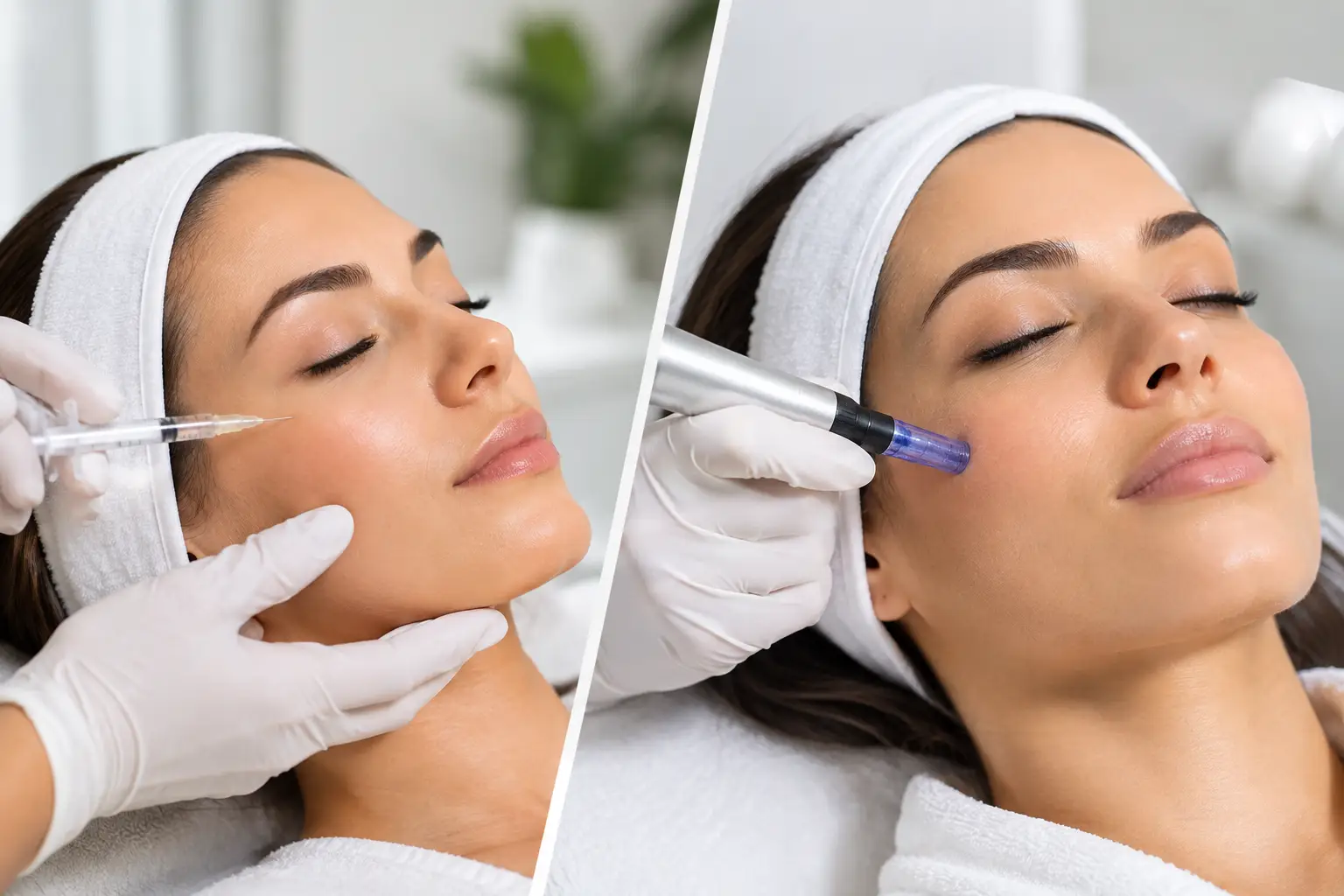
Facial balancing uses carefully selected aesthetic treatments to improve proportion, contour and symmetry. Dermal filler is often central to a balancing plan because hyaluronic acid can restore volume, create projection or define structure in precise areas. However, filler is not the answer to every concern. Anti-wrinkle injections, skin boosters, Profhilo and other collagen-supporting treatments may also have a place where skin movement, hydration or texture is the main issue.
The best results are rarely about adding more volume. They are about placing an appropriate amount of product in the right plane, at the right time, with a clear understanding of your natural anatomy. A sharper chin may make the jawline appear more defined. Restoring cheek support can soften the look of lower-face heaviness. Treating the temples may improve the transition between the forehead and upper face.
Every face has natural asymmetry. Facial balancing does not promise mathematical symmetry, and it should not erase the character that makes a face individual. Instead, it can soften distractions and create a rested, more polished overall appearance.
A facial balancing treatment guide by area
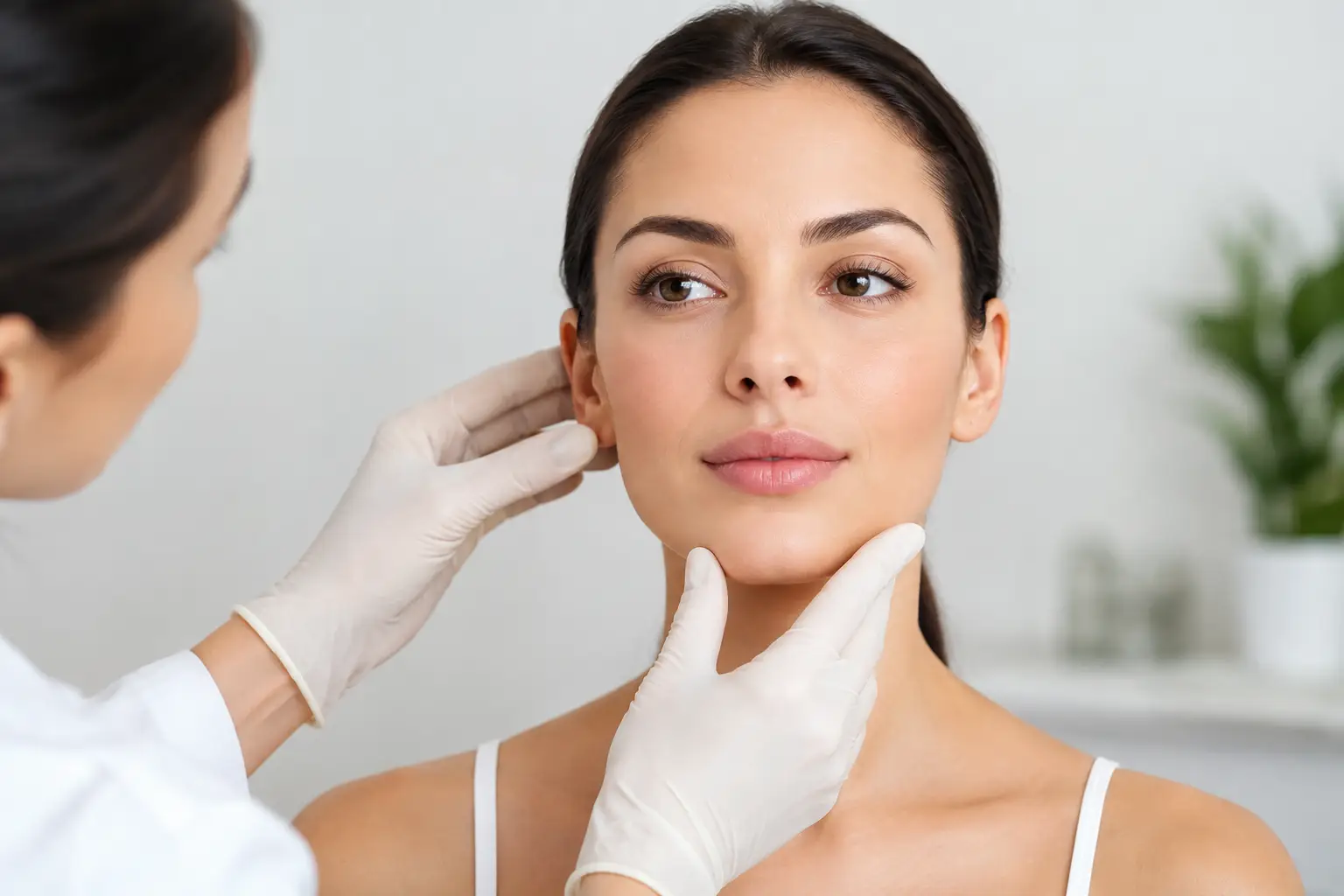
A consultation should begin with your own priorities. You may feel that your profile lacks definition, your lips disappear when you smile, or your under-eye area makes you look exhausted even after a good night’s sleep. Your practitioner will then assess the wider facial structure rather than treating that concern in isolation.
Cheeks and mid-face support
Cheek volume naturally changes over time, which can make the face appear flatter or allow folds around the nose and mouth to look more pronounced. Strategic cheek filler can restore a gentle lift, improve contour and support the mid-face. The intended result is usually a soft, elegant shape rather than a visibly overfilled cheek.
This treatment may suit someone whose face has lost definition, but it is not simply an age-related treatment. Some younger clients naturally have a flatter mid-face and want subtle contouring. The appropriate technique, product and amount will depend on skin thickness, existing volume and the look you want to achieve.
Chin and jawline definition
The chin plays a larger role in facial balance than many people realise. A recessed or under-projected chin can make the nose appear more prominent, reduce jawline definition or make the lower face look shorter in profile. Chin augmentation with dermal filler can add measured projection and improve the relationship between the chin, lips and nose.
Jaw augmentation can enhance a softer jawline, refine the transition from chin to jaw or create a more structured lower face. This is popular with women and men, although the desired shape is personal. Some clients prefer a tapered, delicate contour, while others want a stronger angle and more definition.
Lips, nose and profile harmony
Lip filler can be part of facial balancing, but it should be planned in relation to the rest of the face. The right treatment may focus on hydration, border definition, gentle projection or correcting an uneven shape. A Russian lip technique, for example, may be suitable for clients who want height and a more defined central shape, but it is not automatically the best choice for every lip anatomy.
For some people, non-surgical rhinoplasty can improve the visual line of the nose by smoothing a dorsal irregularity or adding subtle lift at the tip. It is a highly specialised treatment and is not suitable for every concern. A responsible assessment is essential, particularly because treatment of the nose requires advanced anatomical knowledge and a careful approach to safety.
Temples and under-eye hollows
Hollow temples can make the upper face appear narrower or more skeletal, while tear troughs can contribute to a shadowed, tired-looking appearance. Temporalis treatment and tear-trough filler can be valuable where volume loss is genuinely the cause of the concern.
These are delicate areas and should never be approached as quick fixes. Under-eye darkness can have several visual causes, including skin quality, pigmentation and facial structure, so filler will not be right for everyone. In some cases, improving hydration and skin quality with a suitable skin treatment may be the more flattering option.
Why skin quality matters as much as contour
A well-balanced face is not only about shape. Dehydrated, crepey or dull-looking skin can undermine even the most carefully placed contouring. This is where injectable skin treatments can complement filler rather than compete with it.
Profhilo works by delivering hyaluronic acid to support skin hydration and stimulate collagen and elastin production over time. Skin boosters also focus on improving moisture levels, smoothness and luminosity. These treatments are particularly useful when the goal is fresher-looking skin with minimal alteration to facial shape.
Anti-wrinkle injections may be recommended where repeated muscle movement is creating expression lines or pulling the face in a way that affects balance. Relaxing selected muscles can soften frown lines, forehead lines or crow’s feet, and can also help with concerns such as a gummy smile. The goal is controlled movement and a natural expression, not a frozen appearance.
What happens during a facial balancing consultation?
Good facial balancing begins with conversation, not a syringe. You should be able to explain what you notice in the mirror, what results you like and what you would prefer to avoid. Your practitioner should discuss your medical history, previous aesthetic treatments, allergies and suitability before recommending a plan.
Your face may be assessed from the front, side and at different angles. This matters because a treatment that looks appealing face-on may not create the same effect in profile. Photographs can also be helpful for planning and for objectively reviewing progress over time.
A considered plan may involve one treatment session or a phased approach. Treating in stages is often preferable when several areas need attention, as it allows time for swelling to settle and for the result to be reviewed. It can also help avoid over-treatment.
Safety, side effects and realistic expectations
Injectable aesthetics are medical-style procedures and should be performed by a suitably trained, experienced practitioner in a safe clinical setting. Ask what product is being used, why it has been selected and what aftercare will be required. Established hyaluronic acid filler brands such as Juvéderm and Restylane may be chosen according to the treatment area and desired finish.
Temporary tenderness, redness, swelling and bruising can occur after dermal filler and many injectable treatments. These effects are usually short-lived, but downtime varies by treatment area and by person. It is sensible to avoid scheduling treatment immediately before an important event, particularly if you are prone to bruising.
More significant complications are uncommon but possible. Your practitioner should clearly explain warning signs, provide appropriate aftercare and be available should you have concerns following treatment. Never try to massage, inject or correct results yourself.
Choosing a result that still feels like you
Bring reference images if they help you describe a style, but use them as a conversation starter rather than a blueprint. Your bone structure, skin quality, tissue movement and existing proportions are unique. What looks beautifully subtle on one person may not suit another.
At Mr Aesthetics, facial balancing is approached as a tailored combination of structure, softness and skin quality. The most satisfying result is often one that friends notice without being able to pinpoint: you look brighter, more rested and more confident, while still looking entirely like yourself.
If you are considering treatment, allow your consultation to be a space for honest questions and measured decisions. A beautifully balanced face is not built by chasing every feature. It comes from choosing the changes that make your own features work together with confidence.