A fuller lower face is not always caused by excess fat, and a hollow cheek is not always a sign that you need more volume. That is why the choice between filler versus fat dissolving deserves more than a quick comparison of before-and-after photographs. These treatments can both refine facial contour, but they work in opposite ways: one adds strategic support and shape, while the other is designed to reduce small, stubborn pockets of fat.
The most flattering result comes from treating the feature in front of you, rather than following a trend. For some people, carefully placed dermal filler creates the lifted, defined profile they want. For others, fat-dissolving injections may help reduce fullness beneath the chin or around the lower face. Occasionally, a staged combination can be considered where it is clinically suitable.
What dermal filler does to facial shape
Dermal filler is usually made with hyaluronic acid, a substance that attracts water and is naturally found in the skin. When placed by a qualified practitioner, it can restore or enhance volume in carefully chosen areas. Think cheeks that have begun to flatten, lips that have lost definition, a chin that sits back in profile, or a jawline that needs more structure.
Filler does not dissolve fat. Instead, it changes the balance of the face by adding support, projection or contour. A small amount in the chin, for example, can improve the appearance of a soft jawline by creating a stronger transition from face to neck. Cheek filler can restore mid-face support, which may soften the look of lower-face heaviness without adding product to that area.
This is why treatment planning matters. Adding filler directly into an already full area can make it look heavier. In the right place and amount, however, products such as Juvéderm or Restylane can create a fresher, more sculpted appearance while retaining natural facial movement.
Areas filler may suit
Filler is generally considered when the main concern is lost volume, lack of projection or an undefined contour. Popular treatment areas include the lips, cheeks, chin, jawline, temples, tear troughs and nose for non-surgical rhinoplasty. Results are usually visible straight after treatment, although swelling can temporarily affect the initial appearance.
How long filler lasts varies according to the product, area treated, metabolism and lifestyle. It is not permanent, which can be reassuring for clients who want an adaptable approach to facial enhancement. Maintenance treatments may be needed to retain the look over time.
What fat-dissolving injections do
Fat-dissolving injections are intended for localised pockets of fat that are resistant to diet and exercise. In aesthetic practice, deoxycholic acid-based solutions may be used to target fat cells in selected areas, most commonly beneath the chin. This area can be particularly frustrating because even a healthy, stable weight does not always remove the appearance of a double chin.
Rather than adding volume, the treatment works towards reducing it. The body gradually processes the disrupted fat cells over time, so changes develop more slowly than with dermal filler. A course of treatment may be recommended, depending on the amount and location of the fat, as well as the response seen after each session.
Fat dissolving is not a general weight-loss treatment, and it cannot tighten loose skin in the way people sometimes expect. If skin laxity is the dominant concern, reducing volume without considering skin quality may not deliver the desired contour. This is one reason an in-person assessment is essential.
Areas fat dissolving may suit
The under-chin area is a common focus for fat-dissolving injections because a reduction in fullness can reveal the jawline and improve the facial profile. Some clients also ask about smaller pockets in other suitable body areas. Whether a particular area can be treated depends on the product used, the tissue being assessed and a practitioner’s clinical judgement.
Swelling is a normal and often noticeable part of recovery after fat-dissolving treatment, particularly beneath the chin. Tenderness, redness, bruising and firmness can also occur temporarily. Planning treatment ahead of a special occasion is sensible, as the area may need time to settle.
Filler versus fat dissolving: the central difference
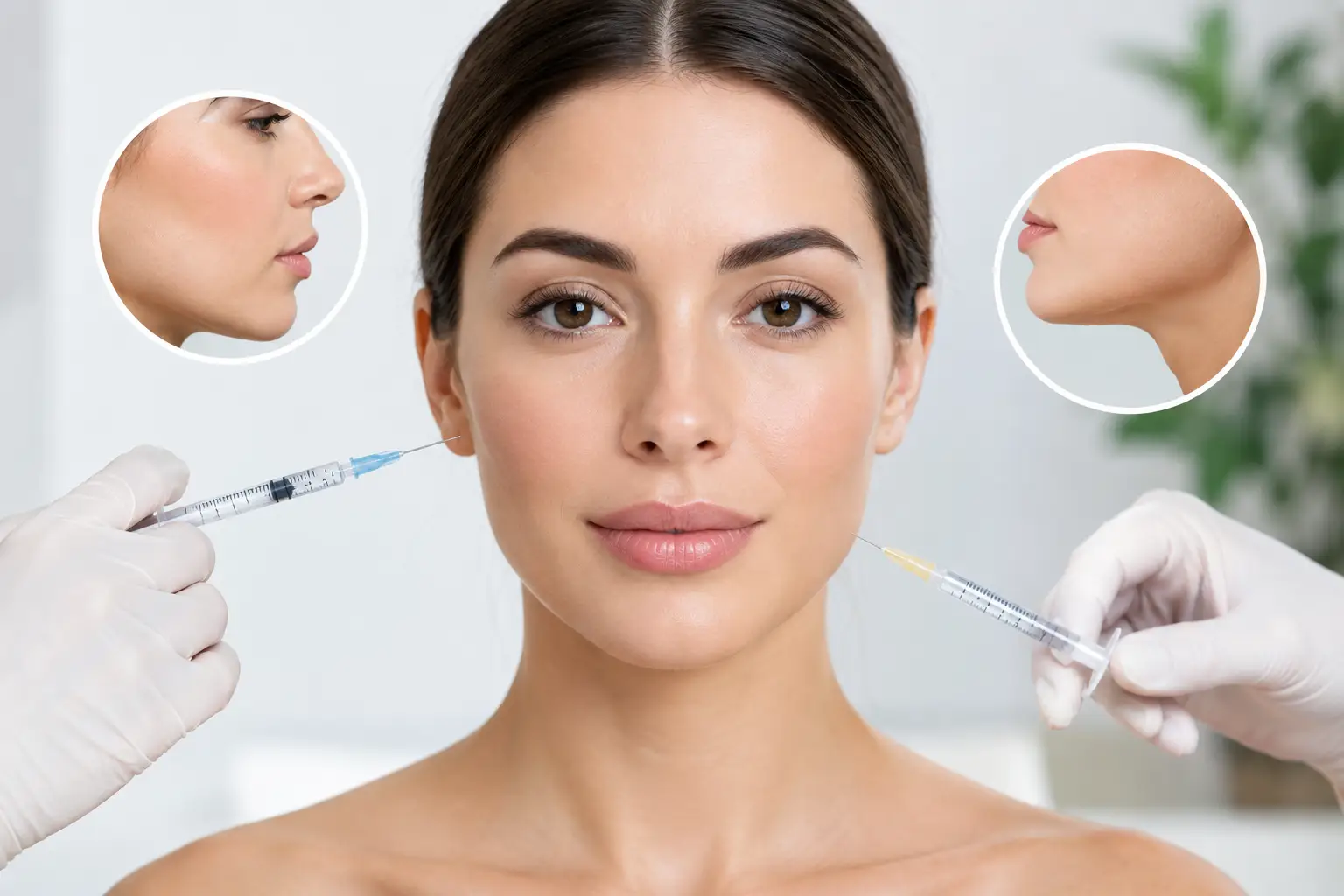
The simplest distinction is this: filler builds, while fat dissolving reduces. If you want to create a more projected chin, lift a flattened cheek or sharpen a jawline that lacks structural support, filler may be the more relevant option. If the jawline is obscured by a discrete pad of submental fat, fat dissolving may be worth discussing.
The difficulty is that faces rarely fit into one neat category. A client may have a small amount of under-chin fat alongside a recessed chin. Treating only the fat could leave the profile looking less supported, while treating only the chin may not address the fullness. A tailored plan might prioritise one concern first, then review the facial balance once the area has settled.
Ageing also changes the conversation. Facial fat can descend or reduce in some areas, skin produces less collagen and elastin, and bone structure becomes less supported over time. What appears to be a heavy lower face may be partly caused by volume loss higher up. A good consultation looks at the face as a whole, not just the feature that first catches your eye in the mirror.
Comparing results, timing and downtime
Filler provides an immediate visible change, though the final result should be judged after early swelling has settled. Fat dissolving requires patience: change develops gradually as the body responds to treatment, and several sessions may be appropriate. Neither treatment should be rushed simply because a date is approaching.
Downtime is also different. Following filler, many people return to routine activities quickly, with temporary swelling, tenderness or bruising possible. It is still wise to follow your practitioner’s specific aftercare advice. Fat-dissolving injections can create more pronounced swelling in the treatment area, which is an expected part of the process and can last longer for some clients.
The feel of the result differs too. Filler adds volume beneath the skin, while fat dissolving aims to reduce the volume of fat in a targeted area. If your goal is a visibly slimmer under-chin area, adding jawline filler alone may not be the answer. Equally, if your goal is a crisp chin profile, removing fat will not create projection where there is none.
Safety and suitability come first
Injectable treatments should never be selected solely from a social media photograph or a friend’s result. Your facial anatomy, skin quality, medical history, previous aesthetic treatments and expectations all influence what is suitable. Tell your practitioner about allergies, medications, prior procedures and any changes in your health at consultation.
With dermal filler, potential temporary effects include swelling, bruising, redness and tenderness. More serious complications are uncommon but require prompt recognition and appropriate management, which is why practitioner training, anatomy knowledge and a proper clinical setting matter. Fat-dissolving injections also require careful assessment, precise placement and realistic expectations about swelling and gradual results.
Avoid trying to treat facial fat or volume concerns yourself. Injectable treatments are not a DIY beauty fix. The right product, dose, technique and aftercare must be selected for the individual.
Choosing a plan that still looks like you
A beautiful result should make sense for your face. Some clients want a softly refreshed look; others prefer a more sculpted chin and jawline. Neither goal is wrong, but the treatment route may be different. Bringing photographs of yourself from a few years ago can sometimes help show where natural volume and contour have changed, rather than relying only on filtered inspiration images.
At Mr Aesthetics, a consultation can help establish whether fullness is due to fat, reduced facial support, skin laxity or a combination of factors. You can then discuss a treatment plan that is proportionate, safety-led and aligned with the amount of change you genuinely want.
The best next step is not to ask which treatment is better in general. Ask what is creating the contour you would like to change, and choose a plan that respects your features while helping you feel more confident in them.