Marionette lines can make the lower face appear heavier, downturned or more tired than you feel. A carefully planned marionette lines filler treatment can soften these creases by restoring support where volume and structure have changed, helping the mouth and jaw area look fresher without changing what makes your face yours.
Why marionette lines develop
Marionette lines are the vertical folds that run from the corners of the mouth towards the chin and jawline. They become more noticeable for different reasons, and they are not simply a sign of age. Natural facial movement, genetics, sun exposure, skin quality and gradual changes in facial fat and bone support can all play a part.
As collagen and elastin production slows, the skin may not spring back as easily after smiling, talking or frowning. At the same time, volume loss in the cheeks, temples and around the mouth can reduce the support that keeps the mid and lower face looking lifted. Some people also have strong downward pull from the muscles around the mouth, which can accentuate a sad or tense-looking expression.
This is why treating the visible line alone is not always the best approach. The most natural-looking result often comes from assessing the whole lower-face balance, including the cheeks, chin, pre-jowl area and jawline.
Marionette lines filler treatment: how it works
Dermal fillers used for marionette lines are usually made with hyaluronic acid, a substance that occurs naturally in the skin. Hyaluronic acid attracts water, allowing the filler to provide soft volume, hydration and structural support in precisely selected areas.
Treatment is tailored to the depth of the fold, the quality of the skin and the proportions of your face. In some cases, filler can be placed directly along the marionette line to soften its appearance. In others, the better option is to support the oral commissures, chin or surrounding tissues first, so the line is improved as part of a more balanced result.
A skilled injector will avoid simply overfilling a crease. The lower face is expressive and mobile, so too much product in one small area can create puffiness or an unnatural finish. The aim is not to erase every movement line. It is to create a smoother, more rested appearance while preserving natural expression.
Support before filling the fold
Think of marionette lines as part of a wider facial support system. If there has been volume loss through the mid-face, filler placed higher in the face may improve the way the lower face sits. If the chin is recessed or lacks projection, subtle chin enhancement can improve lower-face proportions and reduce the focus on folds beside the mouth.
For clients with early changes, a small amount of strategically placed filler may be all that is needed. Deeper lines or significant jowl formation can require a staged plan, sometimes combining cheek, chin and jawline contouring over more than one appointment. What works beautifully for one person may not be appropriate for another.
Choosing the right filler
Different fillers have different textures and lifting properties. Softer products may suit fine lines and areas needing a gentle finish, while firmer gels can provide more structural support in the chin or jawline. Established hyaluronic acid filler families, including Juvéderm and Restylane, offer products designed for different facial areas and treatment goals.
Your practitioner should select the product and technique after an in-person assessment, rather than applying a one-size-fits-all formula. Facial anatomy, previous filler, skin thickness and the degree of movement around the mouth all influence the treatment plan.
What happens at your appointment
A consultation should come before any treatment. This is your opportunity to explain what you see in the mirror, whether that is a downturned mouth, shadowing beside the chin, deeper folds or a general loss of lower-face definition. Your practitioner will assess your facial proportions at rest and in movement, discuss your medical history and make sure filler is suitable for you.
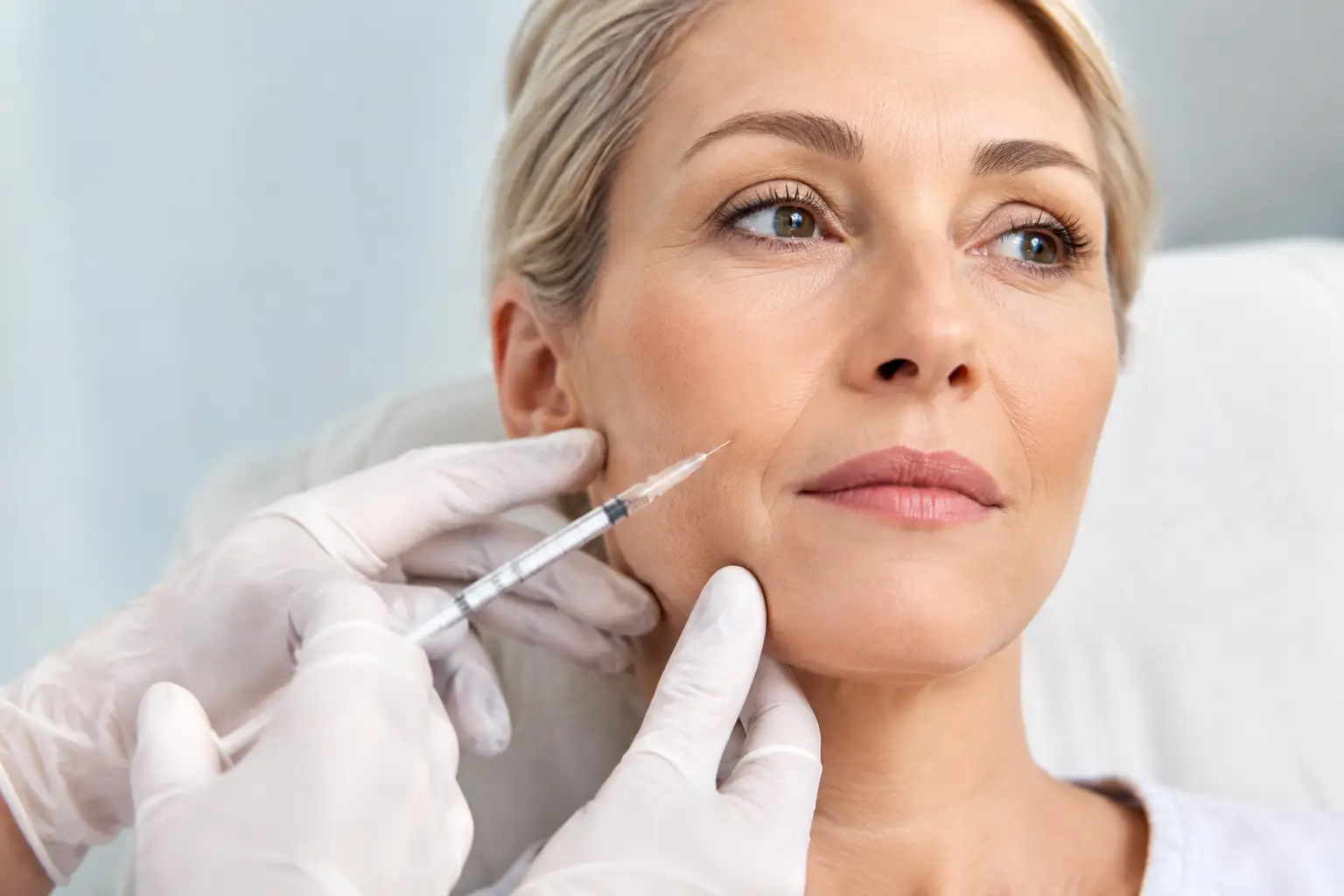
Before treatment, the skin is cleansed and the injection points are planned. A topical numbing product may be used where appropriate, and many modern fillers also contain local anaesthetic to improve comfort. Filler may be placed with a fine needle, a cannula, or a combination of both depending on the area and technique required.
The appointment itself is usually efficient, but it should never feel rushed. Your practitioner may pause to assess symmetry, tissue response and the developing result. It is common to see an improvement straight away, although early swelling can make the area look temporarily fuller than the settled outcome.
Results that still look like you
The best marionette line filler results tend to look understated. Friends may say you look well-rested or more refreshed, rather than immediately identifying a treatment. The folds may look softer, the corners of the mouth less drawn down, and the transition from mouth to chin smoother.
How much improvement is possible depends on the depth of the lines, skin laxity, muscle activity and the structure of the lower face. Very etched lines can often be softened significantly, but expecting them to disappear completely may lead to over-treatment. A considered plan respects the limits of injectable treatment and prioritises a result that looks good both in photographs and during everyday expression.
Hyaluronic acid filler is not permanent. Longevity varies between individuals according to the product used, treatment area, metabolism and facial movement. Follow-up appointments allow your practitioner to review how the filler has settled and decide whether a subtle refinement is appropriate.
Safety, suitability and realistic expectations
Dermal filler is an aesthetic medical treatment and should be carried out by a properly trained, experienced practitioner who understands facial anatomy and can manage complications. The lower face contains important blood vessels, so treatment planning, sterile technique and a measured approach matter.
Common temporary effects include tenderness, redness, pinpoint bleeding, swelling and bruising. These typically settle over the following days, though everyone heals differently. Avoid making plans around an important event immediately afterwards if possible, particularly if you are prone to bruising.
You should share your full medical history, current medicines, allergies, previous aesthetic treatments and any history of reactions during consultation. Treatment may need to be postponed if you are unwell, have active irritation or infection in the area, or if your practitioner feels it is not suitable at that time. Pregnancy and breastfeeding should also be discussed before booking injectable treatment.
Aftercare advice will be specific to your treatment, but generally involves keeping the area clean, avoiding pressure or vigorous massage unless advised, and limiting intense exercise, alcohol and excessive heat for the period recommended by your practitioner. Contact the clinic promptly if you have any concerns after treatment rather than attempting to manage a problem yourself.
When filler may be part of a wider plan
For some clients, marionette lines are mainly caused by lost support and respond well to a focused filler plan. For others, skin quality is the bigger concern. Skin boosters or Profhilo may be considered to improve hydration and overall skin quality, while targeted anti-wrinkle treatment may be appropriate when muscle activity is strongly pulling the corners of the mouth down.
These treatments work differently and should not be viewed as interchangeable. Filler replaces or supports volume, skin boosters focus on hydration and skin quality, and anti-wrinkle injections reduce selected muscle activity. Combining treatments can be effective when it is clinically appropriate, but the right plan should always be based on your face, your priorities and a clear understanding of what each option can realistically achieve.
At Mr Aesthetics in Leigh, a consultation is designed to give you that clarity. Whether you are new to dermal filler or refining previous treatment, the most confidence-building choice is a plan that enhances your lower face thoughtfully, safely and at a pace that feels right for you.