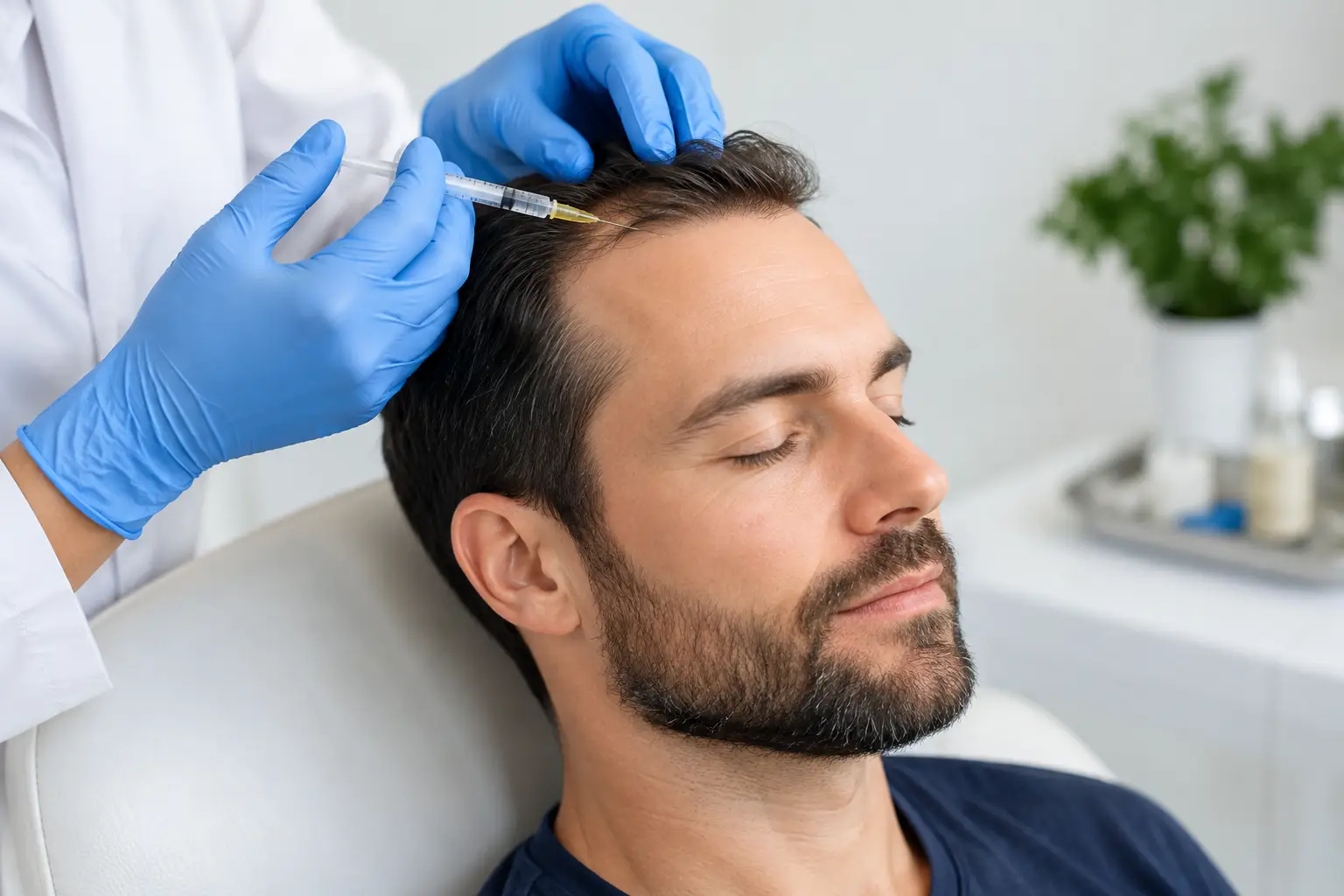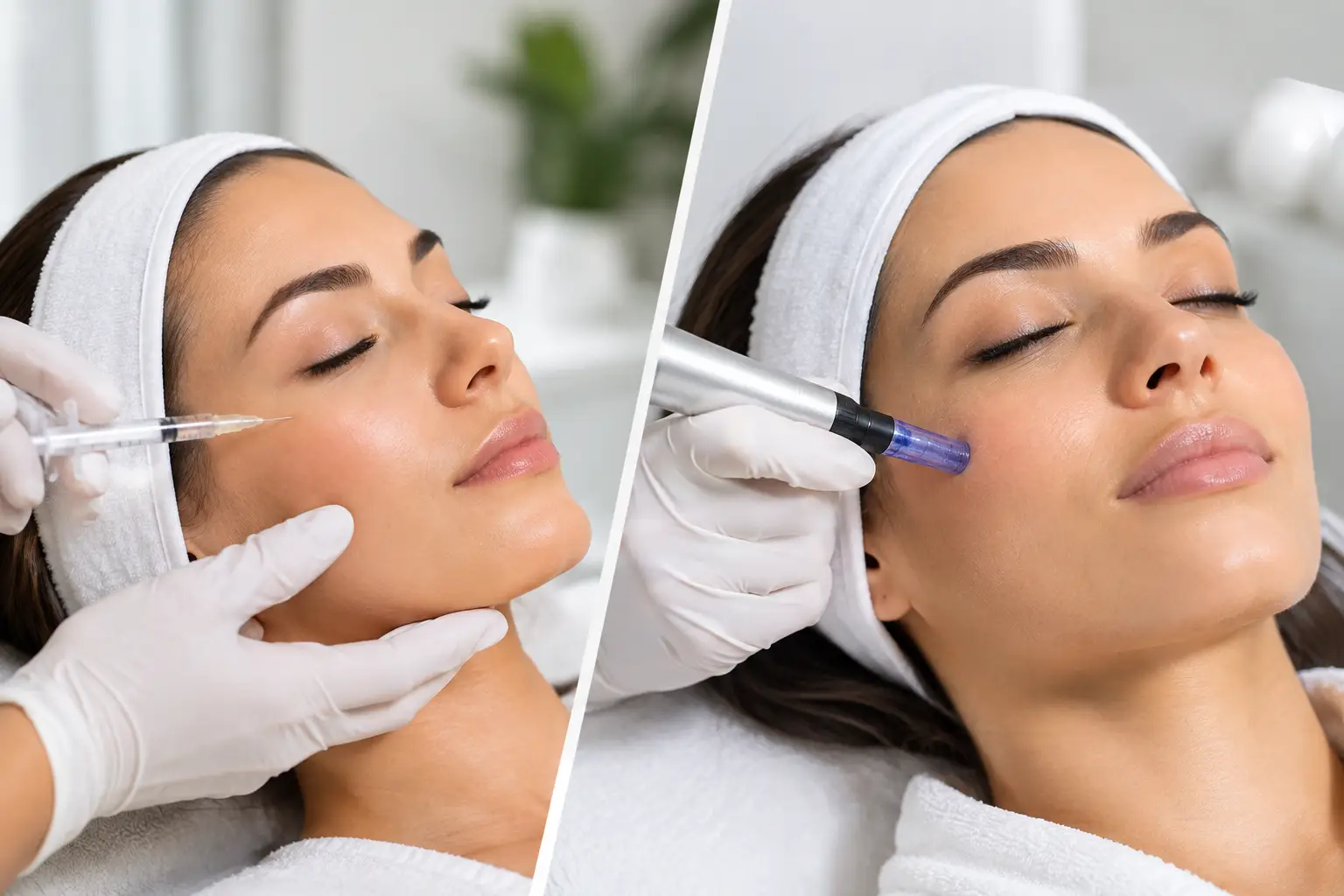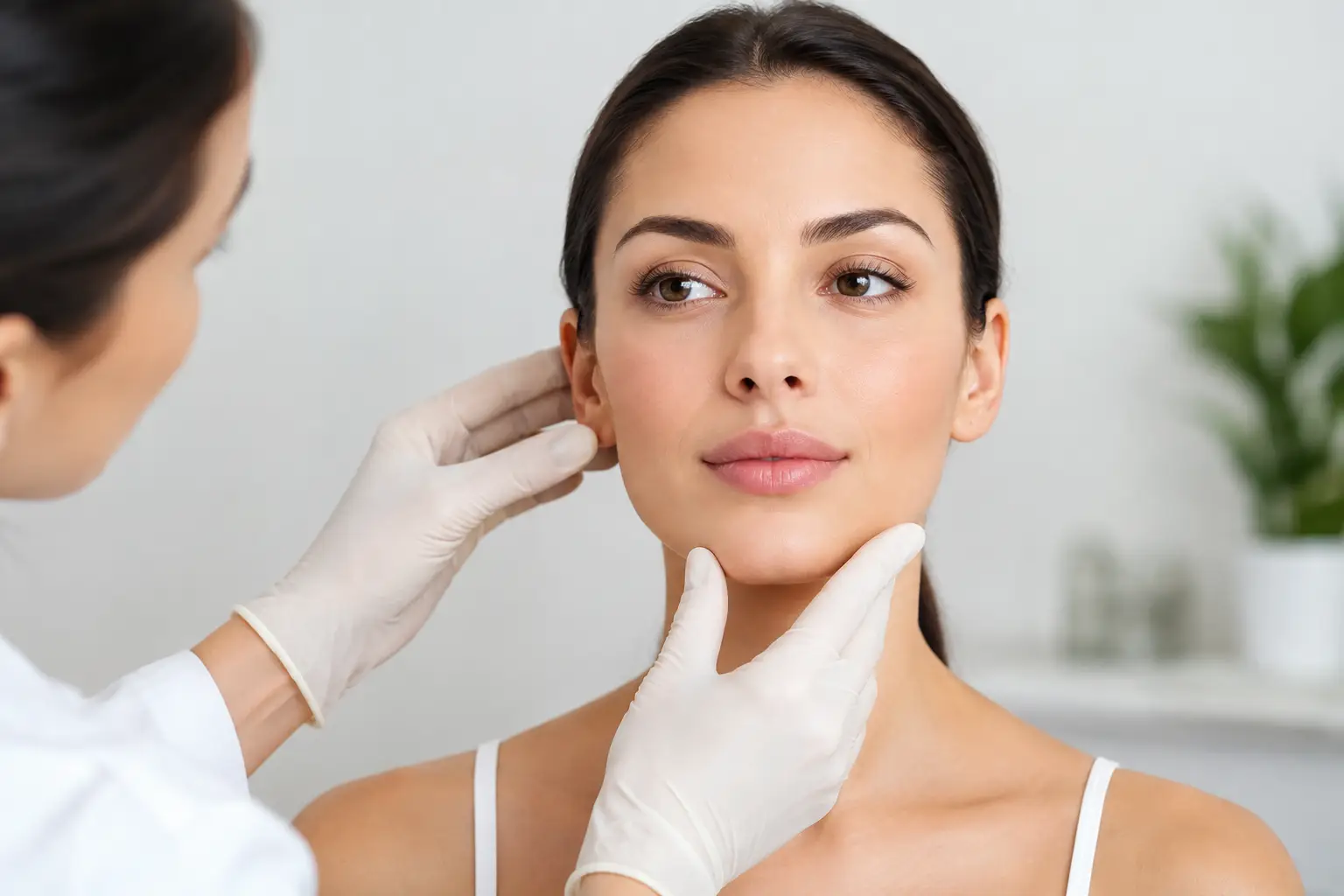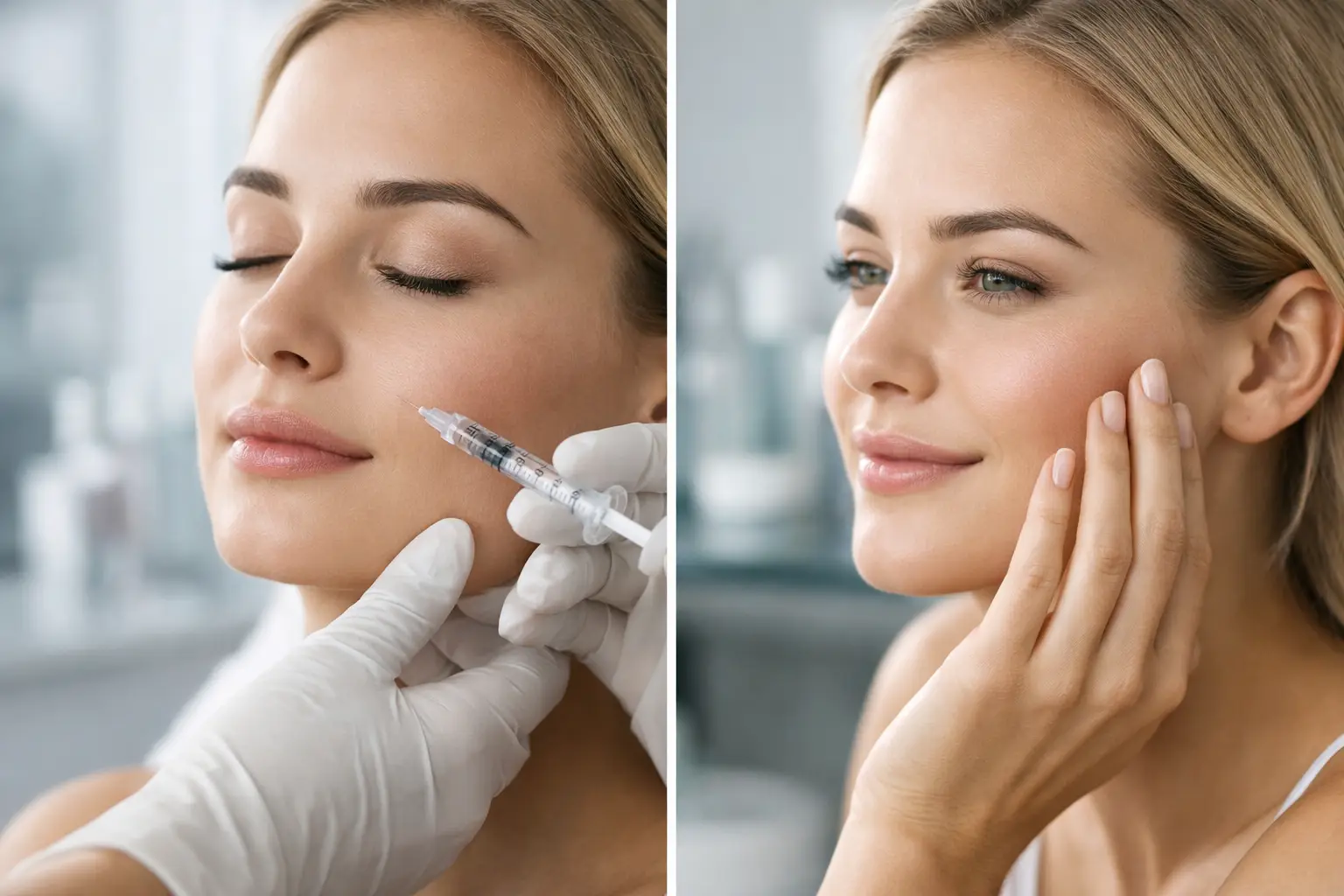
The first look in the mirror after dermal filler can be exciting, but it is rarely the finished result. Understanding how fillers settle helps you separate normal early swelling from the softer, more refined enhancement that develops over the following days and weeks. Whether you have chosen lip filler, cheek contouring, jaw augmentation or tear-trough treatment, patience is part of achieving a polished, natural-looking outcome.
What does it mean when fillers settle?
Most modern dermal fillers are made with hyaluronic acid, a substance that attracts and holds water within the skin. Once carefully placed, the filler begins to integrate with the surrounding tissue. This does not mean it is moving around the face or suddenly changing position. In most cases, what people call “settling” is the reduction of swelling, the resolution of tiny injection-site changes and the way the treated area gradually looks and feels more natural.
Immediately after treatment, the area may look fuller, firmer or slightly uneven. This can be particularly noticeable in the lips, where even minor swelling can temporarily make the result appear more dramatic than planned. In areas such as the cheeks, chin and jawline, early puffiness may make definition look softer before the final contour becomes clearer.
A skilled practitioner plans for these short-term changes. The aim is not simply to add volume, but to place an appropriate amount of filler in the right facial plane to support balance, shape and proportion.
How fillers settle week by week
Everyone heals at a different pace, and the product used, treatment area, amount of filler and individual tendency to swell all make a difference. Still, this timeline is a useful guide for most hyaluronic-acid filler treatments.
The first 24 to 48 hours
Some redness, tenderness, swelling and pinpoint bruising can occur after injections. The treated area may feel firmer than expected, especially if you are new to fillers. Lips often swell most during this early period, sometimes looking asymmetrical before they begin to calm.
Avoid judging your final result at this stage. Do not press, squeeze or massage the area unless your practitioner has specifically instructed you to do so. Unnecessary manipulation can irritate freshly treated tissue and may affect carefully placed product.
Days three to seven
For many clients, visible swelling begins to reduce during the first week. Bruising, if present, may shift in colour before fading. Lips start to feel softer, while areas such as the cheeks and jaw can begin to show their intended shape more clearly.
Small differences from one side to the other are not always a concern in the first few days. Faces are naturally asymmetrical, and swelling does not always reduce at exactly the same rate on both sides. Take photographs in consistent lighting if you are tempted to compare changes day by day. It is often easier to see progress over several days than from one mirror check to the next.
Around two weeks
Two weeks is a common review point because most routine swelling has settled by then. At this stage, your practitioner can better assess facial balance, symmetry and whether the result meets the agreed treatment plan.
This does not mean every area looks identical at day 14. Tear-trough filler, for example, needs careful assessment because the under-eye area is delicate and can hold fluid. Lip filler may also take a little longer to feel completely soft after a more structured shaping technique. Your practitioner will advise when a review is appropriate for your specific treatment.
Weeks three to four
By this point, filler usually feels integrated and looks more like part of your own facial structure. Cheek enhancement can appear lifted rather than simply full. Chin and jawline filler may look sharper and more balanced. A lip shape should feel less noticeable to you, while still delivering the definition or volume you wanted.
The best filler results should complement your features rather than announce themselves before you do. A rested-looking under-eye, a cleaner profile or a subtly more hydrated lip can be more powerful than an overfilled appearance.
Why different areas settle differently
The lips are highly vascular and mobile, so they commonly swell more than other facial areas. This is why it is wise not to schedule lip filler immediately before a major occasion. Give yourself adequate time before a wedding, holiday or important event, ideally allowing for the possibility of bruising or a review appointment.
Cheeks, temples, chin and jawline are often treated with firmer fillers designed to create structural support. These areas may feel more noticeable at first, but tend to settle into the facial framework over time. The result can be a more sculpted profile, improved facial proportion and support for age-related volume loss.
Tear-trough treatment requires particular precision. Under-eye hollows can contribute to a tired appearance, yet the skin in this area is thin and the anatomy is complex. The right candidate, product choice and injection technique matter as much as the amount of filler used. In some cases, less is the more elegant approach.
What can affect the way your filler settles?
Your body’s response is individual. Previous filler, skin quality, hydration, natural facial movement, allergies and the area treated can all influence temporary swelling and how quickly the result refines. Product selection matters too. Established hyaluronic-acid filler families, including Juvéderm and Restylane, contain different formulations suited to different goals, from soft lip hydration to deeper facial contouring.
Aftercare also plays a role in keeping recovery comfortable. Follow the advice provided at your appointment. You may be asked to avoid intense exercise, excessive heat, alcohol or pressure on the treated area for a short period. Keeping the area clean and avoiding make-up immediately after treatment, where advised, can reduce irritation around injection points.
Sleeping with your head slightly elevated on the first night may help some people with swelling. A cool compress can be soothing, but apply it gently and avoid putting pressure directly on the treated area. Never use heat or attempt to alter the filler yourself.
When to contact your practitioner
Mild swelling, tenderness and bruising are expected possibilities with injectable treatments, but you should always feel able to ask questions during your recovery. Contact your practitioner if swelling is worsening rather than improving, you have persistent significant discomfort, or you are worried about the appearance of the area.
Seek urgent medical advice immediately if you experience severe or increasing pain, unusual blanching or dusky colour changes in the skin, marked mottling, or any changes to your vision. These symptoms need prompt assessment and should never be watched at home in the hope that they will pass.
Choosing a properly trained, experienced practitioner and attending your planned review are central to safer treatment. A consultation should consider your facial anatomy, health history, desired outcome and whether filler is the right option for the concern you wish to address.
Should you get a top-up straight away?
Usually, no. Adding more filler before the initial treatment has settled can lead to an overly full result or make it harder to judge what is genuinely needed. If you and your practitioner have planned a staged approach, wait for the advised review period before deciding on further treatment.
This is especially relevant for clients who want a noticeable change but still want to look like themselves. Building volume gradually can offer better control, particularly in lips, cheeks and profile-balancing treatments. The right amount is personal: a subtle enhancement may be perfect for one face, while another may benefit from more structural support.
At Mr Aesthetics, the focus is on treatments that work with your features and aesthetic goals, not a one-size-fits-all result. Allow your filler time to settle, attend follow-up advice when recommended, and let the final look reveal itself naturally – confidence tends to look best when it is never rushed.