A microneedling appointment should never feel like something you simply have to endure for the sake of better skin. If you are asking, is microneedling painful, the honest answer is that it can feel uncomfortable, but it is usually very manageable with the right preparation, technique and aftercare.
Most clients describe the sensation as a light scratching, vibration or prickling across the skin rather than a sharp pain. Some areas are more sensitive than others, and everyone’s comfort threshold is different. A professional consultation helps make the treatment feel considered, calm and tailored to you from the start.
Is microneedling painful during treatment?
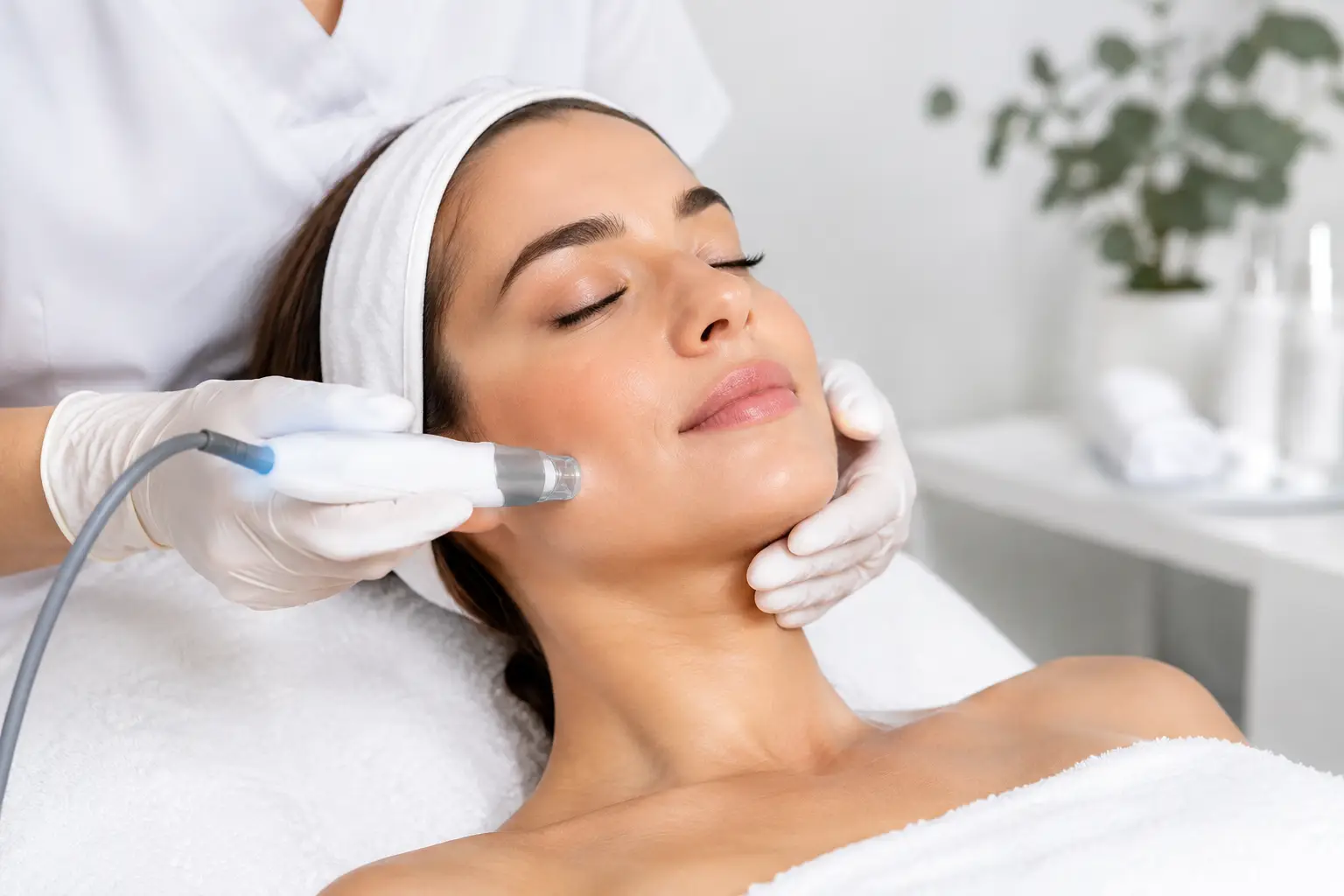
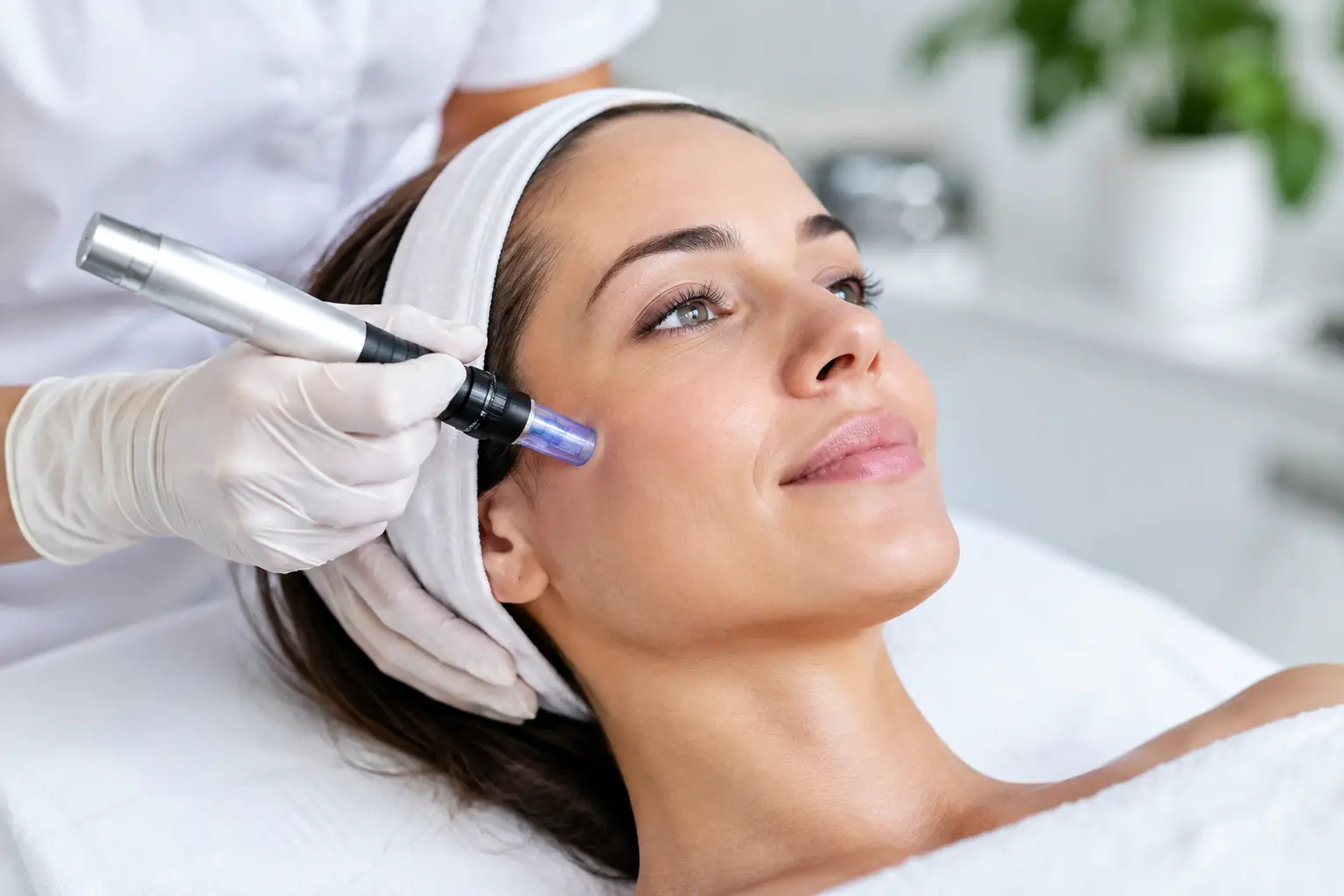
Microneedling uses a device with very fine needles to create controlled micro-channels in the skin. This process encourages the skin’s natural renewal response and supports the production of collagen and elastin – two proteins associated with firmer, smoother and more refined-looking skin.
Because the treatment involves needles, it is reasonable to expect some sensation. However, microneedling is not normally described as intensely painful when it is performed correctly. The feeling is often strongest over areas where the skin sits close to bone, such as the forehead, temples, nose and upper lip. The cheeks and jawline are commonly easier to tolerate.
Your practitioner will work methodically across the treatment area, rather than rushing through the appointment. You may notice the device’s movement and a mild warmth as the skin is treated. For some people, that feeling becomes more noticeable towards the end of the session as the skin becomes sensitive, but it should remain within a manageable range.
Numbing cream makes a real difference
A suitable topical numbing cream is often used before microneedling to make the experience significantly more comfortable. It is applied ahead of treatment and given time to take effect, so the skin is prepared before the device is used.
Numbing does not necessarily mean you will feel absolutely nothing. You may still notice pressure, vibration or a light scratch-like sensation, particularly in more delicate areas. The purpose is to reduce discomfort so you can relax and your practitioner can carry out the treatment carefully and evenly.
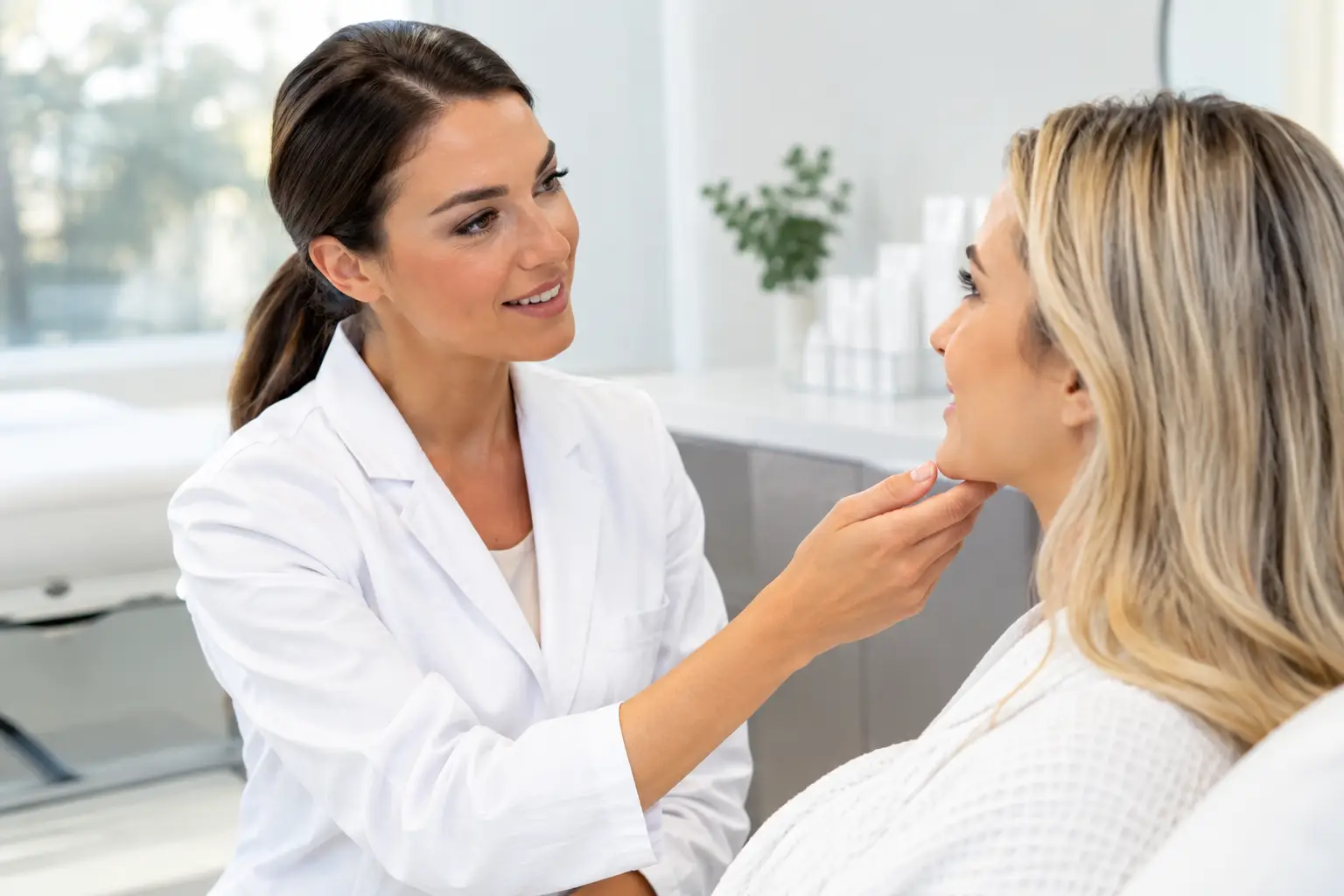
If you are nervous about needles or have had an uncomfortable aesthetic treatment in the past, say so at your consultation. This is useful information, not something to be embarrassed about. Your practitioner can explain each stage, check in with you during the appointment and create a pace that feels right for you.
Your treatment depth matters
Microneedling is not a one-setting treatment. The depth and intensity used should reflect the area being treated, your skin condition, your goals and your tolerance. Delicate skin does not need to be treated in the same way as thicker areas of the face.
A more intensive treatment may feel more noticeable than a lighter skin-refreshing session. That does not automatically make it better. The best plan is one that is appropriate for your skin and is carried out safely, rather than one that pushes discomfort unnecessarily.
Skin sensitivity can change from day to day
Your experience may also depend on factors beyond the treatment itself. Skin that is already dry, irritated or sensitised can feel more reactive. Lack of sleep, stress and hormonal changes can affect how sensitive you feel too.
It is worth arriving with clean skin and following the pre-treatment guidance provided at your appointment. If anything has changed since your consultation, including a skin flare-up or a new product reaction, let your practitioner know before treatment begins.
What does microneedling feel like afterwards?
Immediately after treatment, your skin can feel warm, tight and slightly tender. Many clients compare the look and feeling to a mild sunburn. Redness is expected, and there may be temporary sensitivity when you touch the area or apply skincare.
This does not usually mean you are in pain. It is part of the short recovery period while the skin settles. How long redness lasts varies between individuals and according to treatment intensity, but many people find that it reduces noticeably over the following days.
Your practitioner will advise you on suitable aftercare for your skin. In general, the focus is on keeping the area clean, treating it gently and protecting it from sun exposure. Avoiding harsh active skincare, heat and strenuous exercise for the recommended period can help minimise unnecessary irritation while your skin recovers.
Do not be tempted to scrub, pick or over-treat temporary dryness or flaking. Microneedling is designed to support a gradual skin-renewal process, and gentle aftercare gives your complexion the best conditions to settle smoothly.
What affects how comfortable microneedling feels?
Pain is subjective, so there is no single answer that applies to every client. Four things tend to make the biggest difference: the treatment area, the depth selected, the condition of your skin on the day and the experience of the practitioner.
The device and technique matter too. Professional microneedling should be controlled and precise, with settings selected for the individual rather than a one-size-fits-all approach. This is one reason a clinic treatment is very different from using an aggressive device without professional assessment.
Communication is equally valuable. You should feel able to tell your practitioner if a particular area feels too intense. A good appointment is collaborative: your aesthetic goals are respected, and so is your comfort.
At Mr Aesthetics, the aim is not simply to make skin look refreshed. It is to make the whole experience feel informed, professional and reassuring, whether microneedling is your first advanced skin treatment or part of a wider rejuvenation plan.
When should microneedling be postponed?
A consultation is essential because microneedling is not suitable at every moment. If you have active skin irritation, broken skin, an infection, a recent reaction or another concern that could affect healing, your practitioner may recommend waiting until your skin is settled.
Be open about medications, previous aesthetic procedures, allergies and any tendency to bruise or react strongly to treatments. This helps your practitioner assess whether the timing and treatment plan are appropriate. You should never stop or alter prescribed medication without advice from the clinician who manages it.
It is also sensible to postpone if you are feeling unwell or if your skin has been heavily exposed to the sun. Waiting can be frustrating, but it is a sensible step towards a safer, more comfortable treatment and a better-looking recovery.
Is the temporary discomfort worth it?
For many people, yes. Microneedling appeals because it supports smoother-looking texture, a more even-looking complexion and a fresher overall appearance without surgery. The trade-off is a short period of warmth, redness and sensitivity, alongside the need to follow aftercare properly.
The right question is not only whether microneedling hurts. It is whether the treatment suits your skin goals, your lifestyle and your expectations around downtime. A good consultation gives you the space to ask exactly how it will feel, how your skin may look afterwards and how the approach can be adapted around your comfort.
Beautiful skin should feel like a confidence-building choice, not a test of bravery. When you are fully informed and treated with care, microneedling can be a positive, manageable step towards a smoother, more revitalised-looking complexion.