Swelling can be the one part of a filler treatment that makes you second-guess an otherwise exciting result. You may love the immediate definition in your lips, cheeks or jawline, then notice puffiness developing over the following hours. Knowing how to reduce swelling after fillers safely helps you protect your result, plan your social diary with confidence and recognise when you need professional support.
A little swelling after dermal filler is usually a normal response to injections. Your skin and underlying tissue have been treated, and hyaluronic acid fillers can also attract water as they settle. The amount of swelling varies widely between people, treatment areas and techniques. Lip filler, for example, commonly causes more noticeable short-term swelling than a carefully placed cheek enhancement.
What swelling after filler can look like
Mild to moderate puffiness, tenderness, slight redness and small areas of bruising can occur after treatment. Swelling may start soon after your appointment, become more apparent the next morning, then gradually settle. Lips can look uneven while swelling is present, and one side may initially appear fuller than the other. This does not automatically mean the filler has migrated or that the final result will be asymmetrical.
For many clients, the most visible swelling improves within 24 to 72 hours. Bruising, if it occurs, can take longer to fade. More extensive treatments, such as jaw augmentation, non-surgical rhinoplasty or advanced facial contouring, may need additional settling time. Your practitioner will advise based on the filler used, the area treated and your individual response.
How to reduce swelling after fillers at home
The best aftercare is calm, simple and consistent. Avoid trying to massage, press or reshape the area yourself unless your practitioner has specifically asked you to do so. Filler needs time to settle, and unnecessary pressure can irritate treated tissue or affect a carefully planned result.
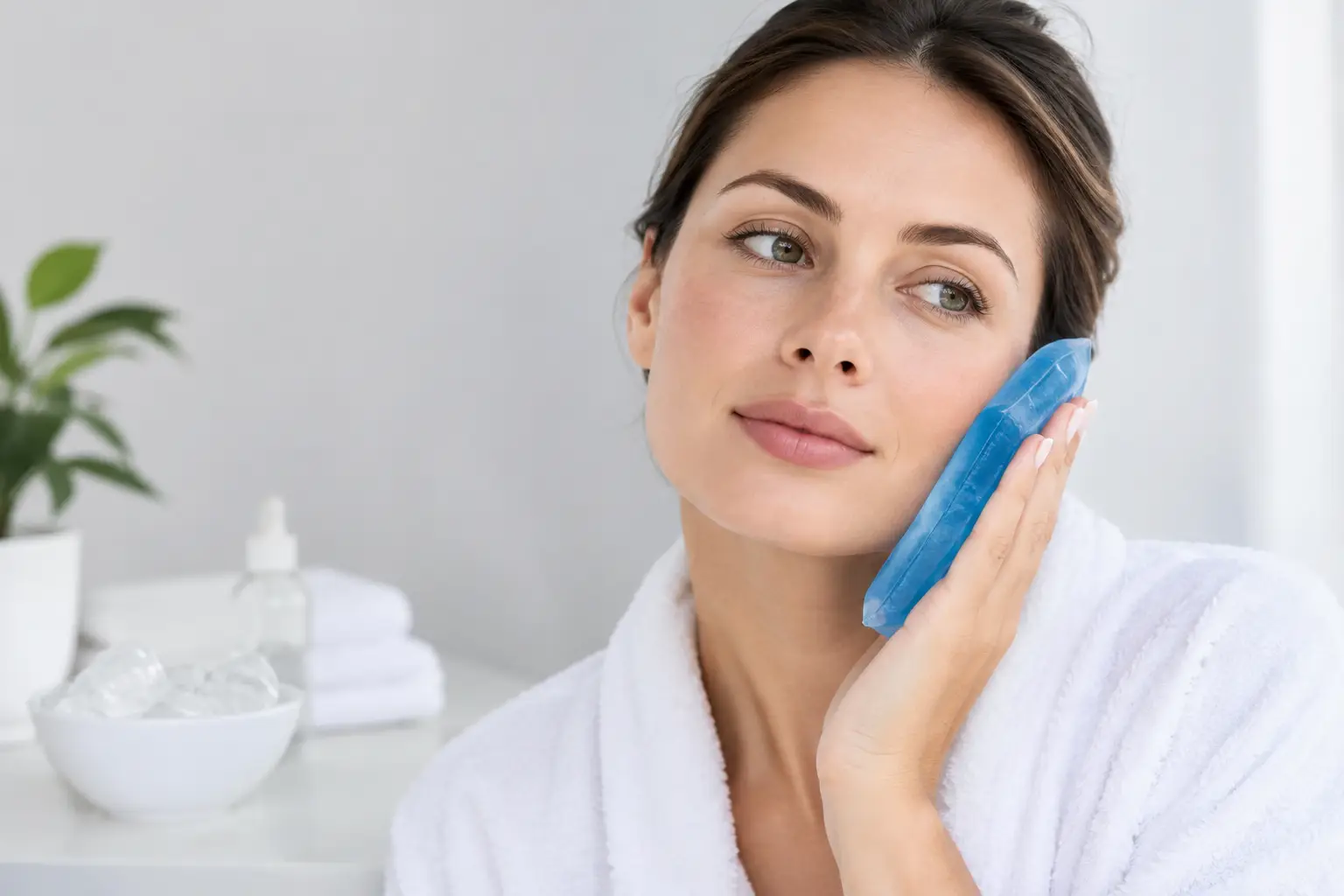
Use a clean cool compress gently over the area in short intervals. Wrap it in a soft cloth rather than placing ice directly on the skin, and do not apply heavy pressure. A cool compress can feel soothing and may help limit temporary puffiness, particularly following lip filler.
For the first day or two, keep your head slightly elevated when resting or sleeping. This can be particularly helpful if you are prone to waking with facial puffiness. Drink water as normal, choose lower-salt meals where possible and avoid excessive alcohol, as alcohol can contribute to flushing, dehydration and swelling.
It is also sensible to pause strenuous exercise, hot yoga, saunas, steam rooms and very hot baths for the period advised by your practitioner. Heat and an increased heart rate can make redness and swelling more noticeable. A quiet walk is generally a more comfortable choice while your face settles.
Avoid facial treatments, firm cleansing devices and anything that puts pressure on the treated area until you have been given the go-ahead. This includes facials, facial massage and some dental appointments where prolonged pressure or wide mouth opening may be relevant after lip or lower-face filler. If you have an event planned, allow a comfortable buffer before it rather than booking treatment the day before.
What not to do when you are swollen
It is tempting to inspect the area repeatedly, compare it with old photographs or search for a quick fix online. Give the tissue time. The appearance immediately after treatment is not the final appearance, especially when lip filler is involved.
Do not take medication or supplements specifically to manage swelling without checking with the practitioner who treated you or another appropriate healthcare professional. Some products can increase the chance of bruising or may not be suitable for you. The same applies to arnica, antihistamines and anti-inflammatory medicines: advice should be personal, rather than copied from a generic post.
Make-up can often be applied carefully after the timeframe your practitioner recommends, but use clean brushes or sponges and avoid rubbing. If injection points are still visible or tender, a little patience is kinder to the skin than attempting full coverage straight away.
Why lips tend to swell more than other areas
Lip tissue is highly vascular and mobile. It is also exposed to talking, eating, drinking and facial expressions throughout the day, which is why lips can feel more sensitive and look more swollen after injections than the cheeks or chin.
Russian lip technique and other detailed lip-shaping approaches may involve several precise placements to create contour, height or definition. A beautifully structured result is worth allowing time to settle. Do not judge your lip filler on the first evening or even the first morning. Most clients see a truer indication once early swelling has eased.
If you have had lip filler before, do not assume your response will be identical every time. Seasonal allergies, hydration, recent exercise, alcohol, stress and the amount of product used can all influence how your body reacts.
When should you contact your practitioner?
Contact your practitioner if swelling is getting worse rather than beginning to settle, feels unusually firm, or is accompanied by increasing pain, significant heat or spreading redness. It is always appropriate to ask a question if something does not feel right. A reputable aesthetic practitioner would rather assess a concern early than have you worry at home.
Seek urgent medical advice immediately if you experience severe or escalating pain, skin that turns pale, dusky or mottled, a cold-looking area of skin, blistering, or any visual disturbance. These are not expected aftercare effects and need prompt assessment. Do not wait for a follow-up appointment or try to manage these symptoms yourself.
A planned review can be useful when your practitioner recommends one, especially after treatments designed to restore facial balance or definition. At that point, swelling will be less likely to disguise the result, making it easier to assess symmetry, shape and whether any refinement is appropriate.
Plan treatment around your calendar
The most reliable way to feel relaxed about swelling is to give yourself enough time before a wedding, holiday, important photographs or a big night out. While many people return to their usual routine quickly, there is no exact timetable that suits every face. Aim for at least two weeks before a major occasion where you want your result to be fully settled and any bruising to have faded.
This is especially worthwhile for first-time filler clients. Your practitioner can explain the expected downtime for the treatment you are considering, whether that is subtle lip enhancement, cheek contouring, jaw augmentation or tear-trough treatment. Clear expectations are part of safe, confidence-building aesthetics.
A settled result is worth the wait
Dermal fillers are designed to enhance your features, not make you feel as though you must hide away afterwards. A little temporary swelling is often part of the process, and gentle aftercare gives your treatment the best chance to settle naturally. If you are unsure what is normal for your face or treatment area, a quick conversation with your practitioner offers far more reassurance than guessing – and lets you enjoy the refreshed, balanced result you chose treatment for.