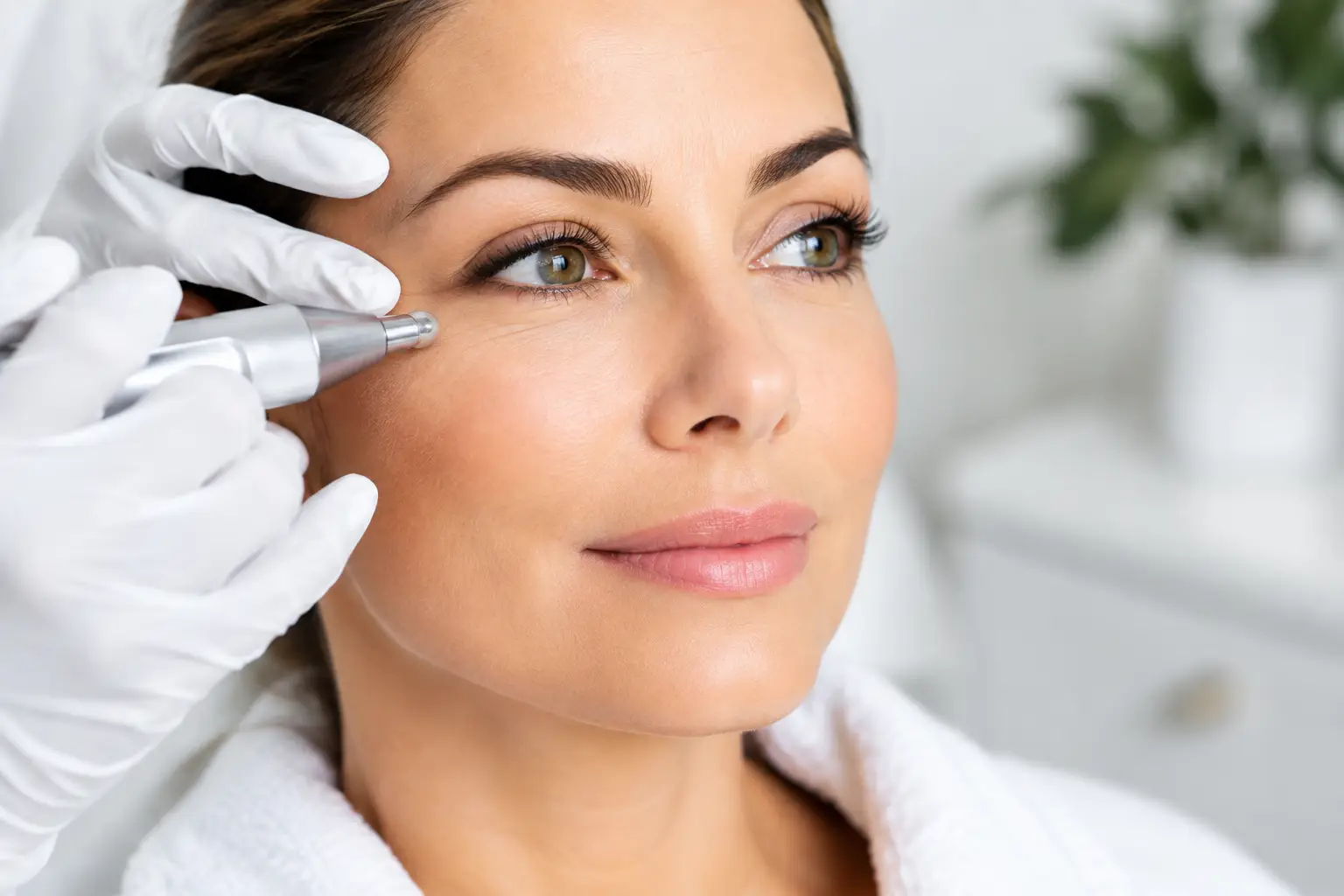
The eye area is often where tiredness, stress and early skin ageing show first – even when you feel well rested. Non surgical eyelid rejuvenation focuses on refreshing this delicate area without an operation, using carefully selected injectable and skin-tightening treatments to improve texture, soften expression lines and create a brighter-looking frame for the eyes.
The right approach is never one-size-fits-all. Some people are most concerned by fine lines at the outer corners, while others notice crepey upper-lid skin, a heavy-looking brow, hollowness beneath the eyes or a combination of concerns. A thoughtful consultation is the starting point for results that look polished, balanced and still like you.
What non surgical eyelid rejuvenation can improve
The skin around the eyes is thinner than skin across much of the face. It is constantly moving when you smile, squint and raise your eyebrows, while natural reductions in collagen, elastin and facial volume can gradually change its appearance. Sun exposure, lifestyle, genetics and skin quality all play a part too.
Non surgical eyelid rejuvenation may help improve the look of fine lines, crow’s feet, mild crepiness, dehydration and under-eye shadowing. Depending on your facial anatomy, it can also create the impression of a more open, rested eye area by reducing muscle pull around the brows or restoring support in carefully chosen areas of the face.
It is important to be realistic about what non-surgical treatments can achieve. If there is significant loose skin, a pronounced hooded lid or a concern that needs medical assessment, an injectable or skin treatment may not be the most appropriate answer. Honest advice protects both your safety and your result.
Treatments used around the eyes
Anti-wrinkle injections for expression lines
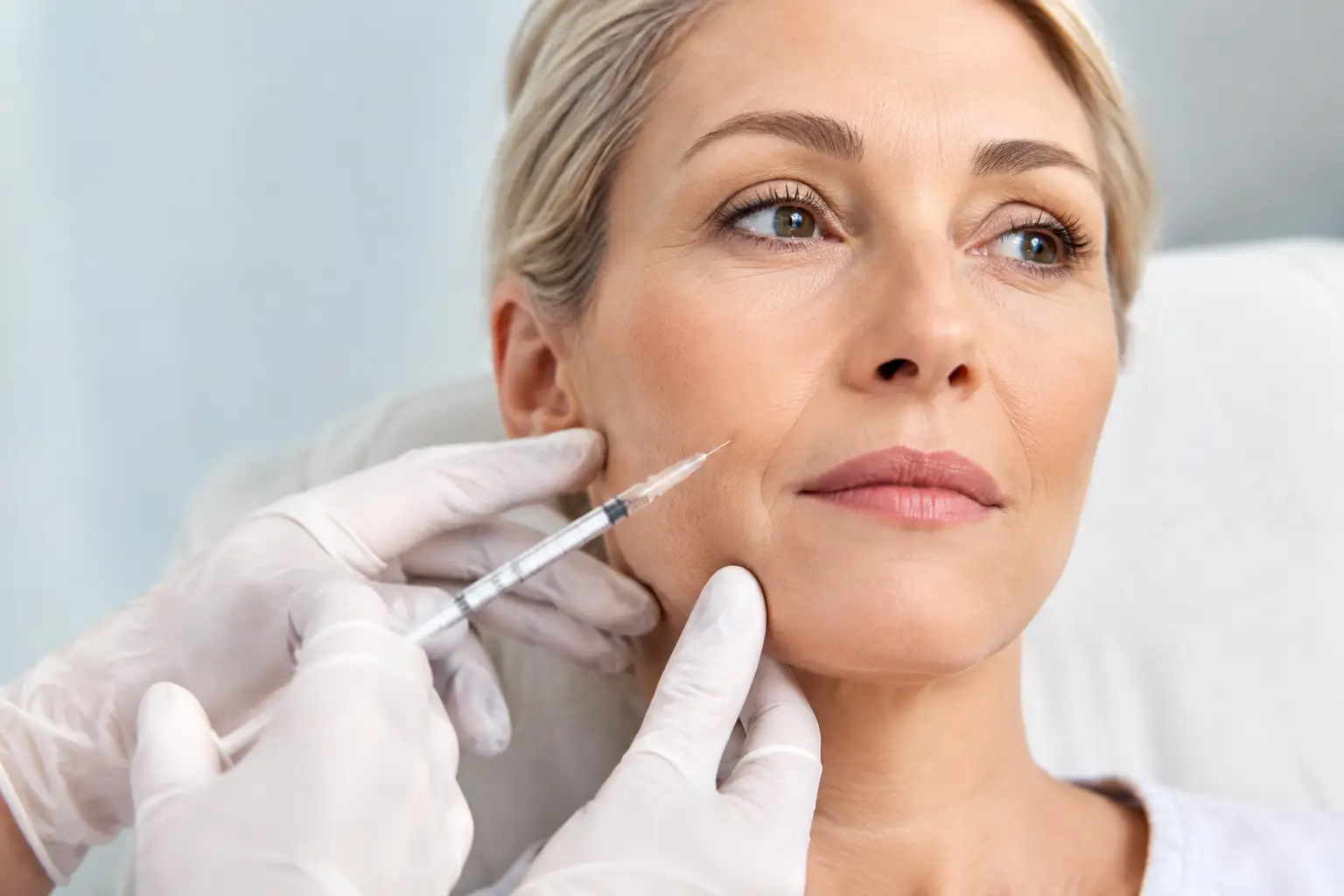
Anti-wrinkle injections work by temporarily relaxing selected facial muscles. Around the eyes, this can soften crow’s feet and fine lines that appear when smiling or squinting. In suitable clients, a precisely placed treatment can also subtly reduce the downward pull of muscles around the brow, contributing to a fresher, more lifted-looking eye area.
The aim is not to remove every natural movement. A well-planned treatment respects your facial expressions while helping the skin look smoother at rest. Results develop gradually rather than immediately, and ongoing maintenance is usually needed to preserve the effect.
Tear-trough filler for under-eye hollows
A hollow beneath the eye can cast a shadow that makes the face appear tired, even after a good night’s sleep. Tear-trough treatment uses hyaluronic acid filler to restore gentle support where it is appropriate, helping to soften the transition between the lower eyelid and cheek.
This is an advanced area of facial filler treatment and requires a cautious, anatomy-led approach. Not every under-eye concern is caused by volume loss. Puffiness, fluid retention, skin laxity and pigmentation can each affect the appearance of the area, and filler may not be suitable in every case. When it is suitable, subtle placement is key: the goal is a rested look, not an overfilled one.
Skin boosters and hydration support
Dehydrated skin often makes fine lines around the eyes more visible. Skin-boosting treatments can support hydration and improve the quality of the skin, helping it appear smoother, more supple and more luminous over time. Treatments such as Profhilo may also be considered as part of a wider facial rejuvenation plan where the focus is on overall skin quality and collagen stimulation.
These treatments do not replace lost volume in the same way as dermal filler, nor do they relax expression lines in the same way as anti-wrinkle injections. Their value lies in improving the skin itself, which can make a meaningful difference when the eye area looks dry, dull or finely lined.
Plasma Fibroblast for surface tightening
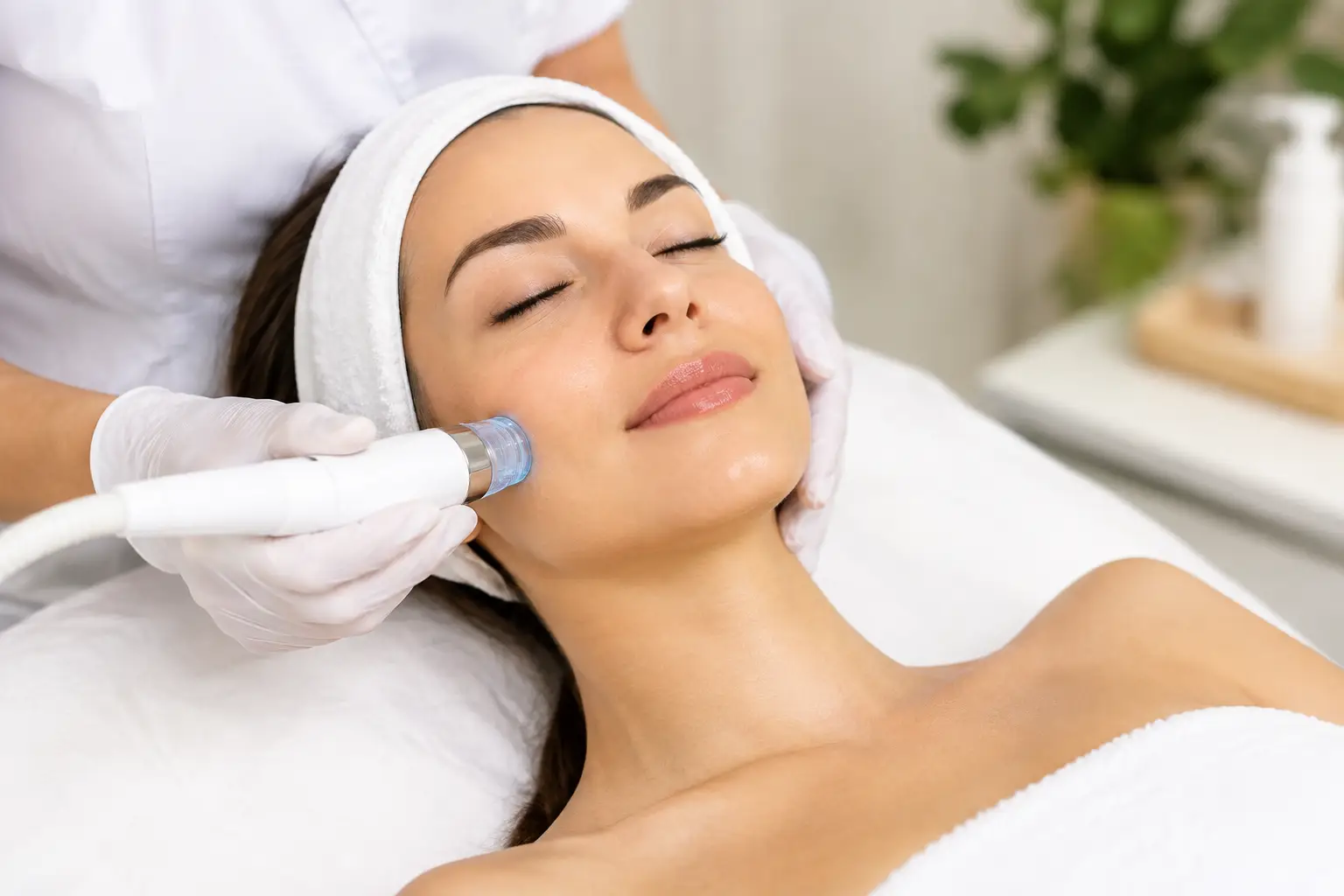
Plasma Fibroblast is a non-surgical skin-tightening treatment that may be considered for suitable clients concerned by fine lines and lax-looking skin around the upper or lower eyelids. It works by creating controlled micro-injuries to the skin surface, supporting the natural repair process and collagen response.
There is visible downtime to consider. Small crusts form during healing and must be left alone, while redness can last for a period afterwards. Careful aftercare, including protecting the healing skin from sun exposure, is essential. This option suits people who are comfortable with a more noticeable recovery period in exchange for a treatment focused on skin tightening rather than volume or muscle movement.
Why assessment matters around the eyelids
The eye area is not a place for a quick, standardised treatment. The position of your brows, natural eyelid shape, skin quality, cheek support, facial asymmetry and the way you animate your face all matter. Treating only the line you can see is not always the best route to a harmonious result.
For example, crow’s feet may respond well to anti-wrinkle injections, but a tired-looking under-eye area may benefit more from improving mid-face support or skin hydration. Equally, adding filler where puffiness is already present can be the wrong choice. A consultation should look at the full face before recommending a plan.
At Mr Aesthetics, the focus is on treatment choices that complement your natural features and aesthetic goals. Whether you want a subtle refresh before a special occasion or a longer-term programme to support skin quality, a personalised plan gives you a clearer idea of what is realistic.
What to expect before and after treatment
Before treatment, be open about previous aesthetic procedures, allergies, medications, skin concerns and your desired outcome. Clear photographs and a discussion about your usual expressions can help create a more precise plan. You should also be told about expected recovery, possible temporary side effects and when to contact your practitioner.
Downtime depends on the treatment. Injectable treatments can cause temporary redness, tenderness, swelling or bruising. Tear-trough filler may take time to settle, particularly in such a delicate area. Plasma Fibroblast requires more dedicated healing time than injectables, so it should be scheduled with your social calendar in mind.
Aftercare is part of achieving the best possible result. Follow the specific guidance provided for your treatment, avoid touching or applying pressure to treated areas unless advised, and attend any recommended review appointment. Do not judge a result too early: swelling and settling are normal considerations with many aesthetic procedures.
Choosing a natural-looking result
The most successful eye-area treatments tend to be the least obvious. Friends may say you look rested, brighter or as though you have been looking after yourself, without being able to pinpoint why. That is usually a sign that treatment has respected your anatomy rather than chased a dramatic change.
Start with the concern that bothers you most, but keep the overall face in view. A small adjustment to expression lines, hydration or under-eye support can make a considerable visual difference when it is selected for the right reason. The aim is not a different face – it is an eye area that better reflects how confident and refreshed you feel.