You may notice it first in photos: the frown line that stays after your expression has softened, or crow’s feet that make you look more tired than you feel. If you are asking how long do anti-wrinkle injections last, the short answer is usually around three to four months. Your own timeline can be a little shorter or longer, depending on your muscle movement, treatment area, lifestyle and individual response.
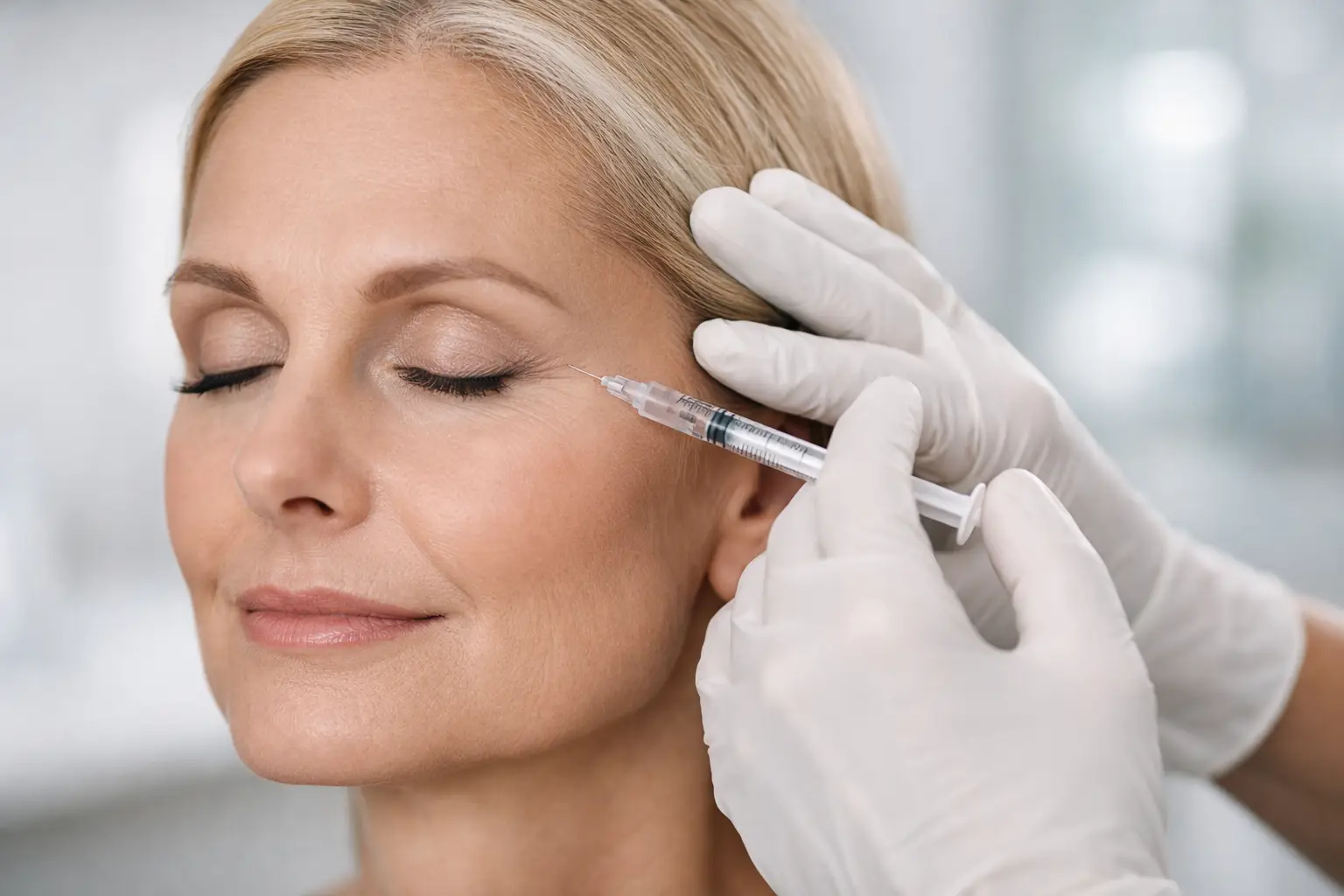
Anti-wrinkle treatment is designed to soften the repeated muscle contractions that create expression lines. It is a temporary treatment, which is part of its appeal: results can be maintained and adjusted over time in line with your face, preferences and desired level of movement.
How long do anti-wrinkle injections last for most people?
For most clients, the visible smoothing effect lasts approximately three to four months. Some people continue to see a benefit for up to five or six months, particularly after regular treatments, while others notice movement returning sooner. This variation is normal and does not automatically mean a treatment has been ineffective.
The treatment itself does not work immediately. You may begin to notice a change within a few days, with the full result typically developing over 10 to 14 days. At this stage, the treated muscles should be moving less strongly, allowing the skin above them to appear smoother and more rested.
As the effect gradually wears off, movement returns slowly. This is often a subtle change rather than an overnight return to how the area looked before treatment. Lines may start to reappear when you frown, raise your brows or smile, before becoming more noticeable at rest.
Why results vary from person to person
There is no single timetable that applies to every face. Your natural facial anatomy and the strength of your expression muscles play a significant part. Someone with very active forehead or frown muscles may find their result fades earlier than a person whose movements are naturally softer.
The area being treated matters too. Forehead lines, frown lines and crow’s feet do not always wear off at exactly the same pace. A skilled practitioner considers how these areas work together, rather than treating each one in isolation. The aim is a balanced, refreshed appearance that still looks like you.
Your treatment history can also influence your experience. With well-planned, regular appointments, some clients find their muscles become less accustomed to making strong repetitive expressions, which may help results feel longer-lasting. This is not guaranteed, and appointments should never be booked simply because a calendar says it is time. Your facial movement and aesthetic goals should lead the decision.
Lifestyle factors can make a difference. Frequent sun exposure, smoking, high levels of stress, intense exercise and a fast metabolism may contribute to results wearing off more quickly for some people. These factors are not a reason to avoid treatment, but they are useful context when setting realistic expectations.
What anti-wrinkle injections can and cannot change
Anti-wrinkle injections are particularly effective for dynamic lines – the lines formed by repeated facial expressions. These commonly include horizontal forehead lines, the vertical lines between the brows and lines around the outer corners of the eyes.
If a line remains visible when your face is fully relaxed, it may be more established within the skin. Relaxing the underlying muscle can still prevent it from being repeatedly creased and can make the line appear softer over time, but it may not erase it completely. Skin quality, hydration, collagen and elastin all influence the final appearance.
This is where an individual consultation is valuable. Some clients benefit from anti-wrinkle treatment alone; others may be better suited to a combined approach that supports hydration, volume or skin texture. Treatments such as skin boosters, Profhilo or carefully placed dermal filler address different concerns. They are not substitutes for anti-wrinkle injections, but they can complement a wider facial rejuvenation plan where appropriate.
When should you book your next appointment?
Many clients choose to review their treatment at around three to four months. A review is an opportunity to assess returning movement and decide whether you would like to maintain your result. It should not feel like pressure to have another appointment before you are ready.
Booking too early can leave insufficient time to see how your previous treatment has settled and how your face is naturally responding. Waiting longer is equally acceptable if you prefer more expression, are trying treatment for the first time or simply want a lower-maintenance approach.
Rather than chasing complete immobility, consider the look you want to maintain. Some people prefer a very smooth forehead, while others want gentle movement with softened lines. Both can be valid aesthetic preferences when assessed safely and treated thoughtfully.
Signs your result is beginning to wear off
The clearest sign is a gradual return of muscle movement in the treated area. You might notice that you can frown more strongly again, raise your eyebrows with greater force or see fine lines returning when you smile. This is a natural part of a temporary treatment working its way out of the body.
A good time to get in touch is when you first feel that your desired result is fading, rather than when all movement has fully returned. This allows time to arrange a suitable consultation and treatment appointment without rushing your decision.
Can you make anti-wrinkle results last longer?
There is no safe shortcut that can guarantee longer-lasting results. What helps most is choosing an experienced, appropriately qualified practitioner who assesses your facial movement, treats the correct areas and uses a measured approach. Placement and dosage are clinical decisions, not something that should be copied from another person’s treatment plan.
Looking after your skin can support a fresher overall appearance between appointments. Daily broad-spectrum SPF, a consistent skincare routine, good hydration and avoiding smoking are all sensible habits for skin health. They will not stop muscle movement from returning, but they can help protect the skin from avoidable environmental ageing.
Follow the aftercare provided at your appointment. Your practitioner will explain any activity restrictions and what to expect during the first days after treatment. If you have concerns about an unexpected reaction or your result, contact the clinic that treated you promptly for advice rather than relying on social media guidance.
Safety and natural-looking results come first
The best anti-wrinkle treatment is not necessarily the strongest one. An over-treated result can affect facial balance or leave you feeling unlike yourself. A considered consultation should cover the areas that concern you, your facial expressions, previous injectable treatments, relevant medical information and the outcome you would like to achieve.
At Mr Aesthetics, the focus is on treatments that help you look refreshed, polished and confidently yourself. For clients in Leigh, Wigan and the wider Greater Manchester area, a consultation gives you space to discuss whether anti-wrinkle treatment is suitable, what a realistic result may look like and when maintenance may be appropriate.
Your face changes with time, seasons and life, so your treatment plan can change too. Choosing a review schedule that follows your own returning movement – not someone else’s timeline – is the most natural way to keep your result looking considered and personal.
Considering treatment locally? View our Anti-Wrinkle Treatments in Leigh service page for confirmed prices, consultation information and booking options.