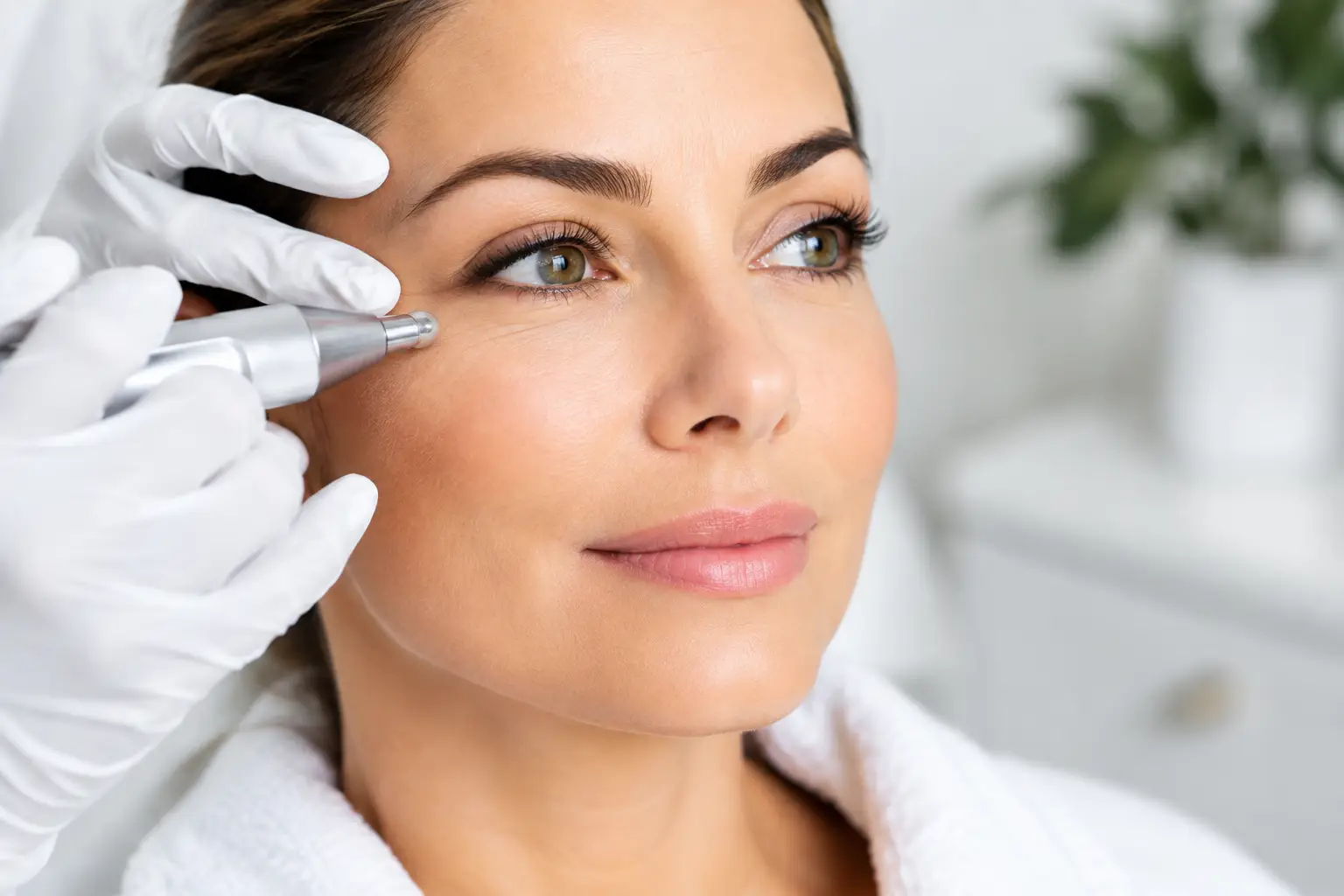
Skin can begin to look less fresh long before lines feel deep or volume loss becomes obvious. You may notice makeup settling differently, old blemish marks catching the light, or a texture that no longer reflects the smooth, healthy glow you want. So, what is microneedling? It is a professional skin-rejuvenation treatment that uses very fine, controlled needles to create tiny channels in the skin and encourage its natural repair response.
The aim is not to change your face or add volume. Microneedling focuses on skin quality, supporting the production of collagen and elastin, two proteins associated with skin that looks firmer, smoother and more even. For people seeking a natural-looking refresh without surgery, it can be a valuable part of a personalised aesthetic plan.
What is microneedling?
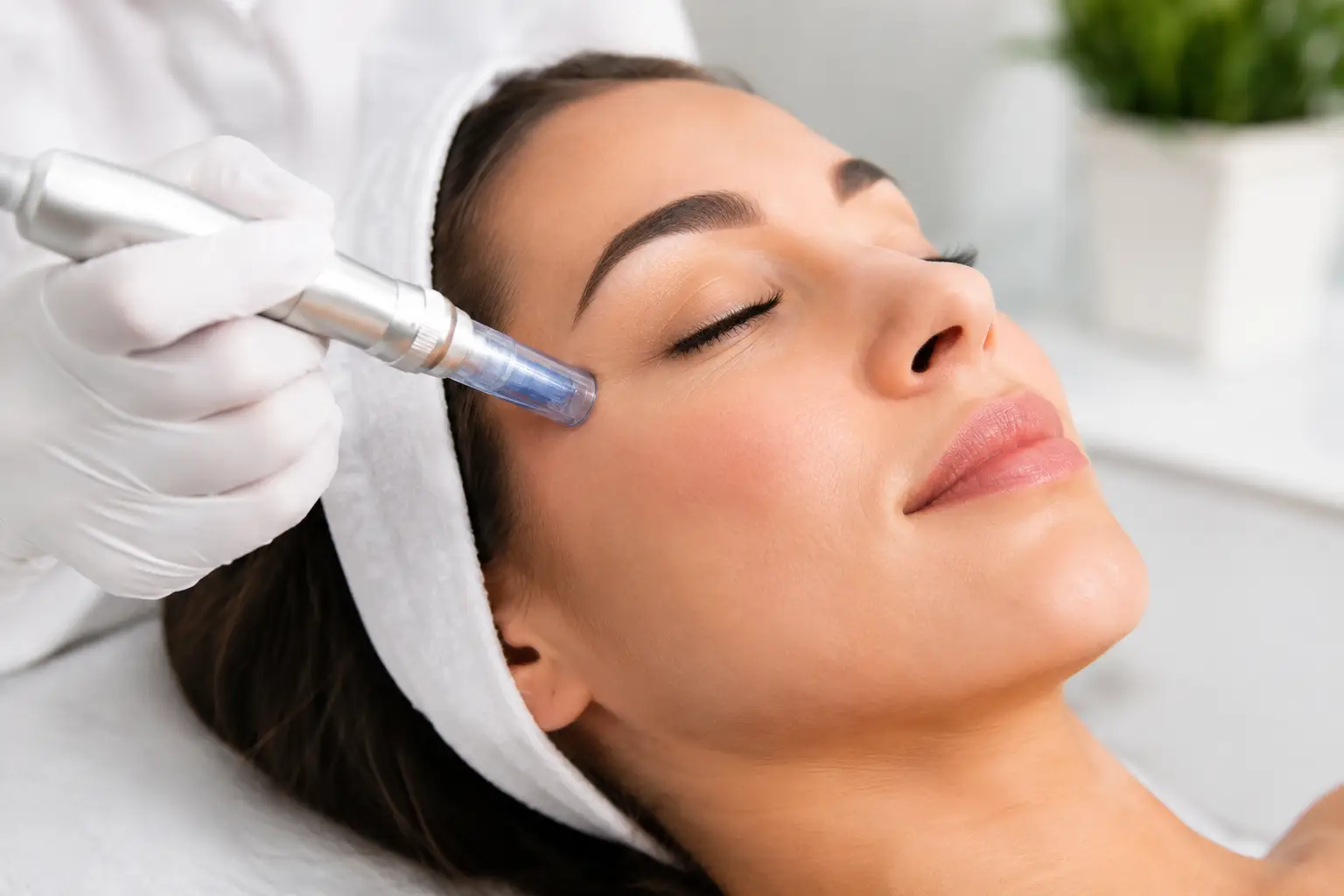
Microneedling, sometimes called collagen induction therapy, is performed with a specialist device containing sterile, fine needles. The practitioner passes the device over the selected area at an appropriate depth, creating controlled micro-injuries in the upper layers of the skin.
That wording can sound more dramatic than the treatment feels. These tiny channels are deliberate and precisely managed. They trigger the skin’s wound-healing response, which includes renewed collagen and elastin activity over time. The channels may also allow professionally selected topical products to be applied more effectively during the treatment.
Collagen gives skin much of its structure, while elastin contributes to its flexibility. Both naturally decline with age, and their quality can also be affected by sun exposure, previous breakouts and lifestyle factors. Microneedling cannot stop this process, but it can support gradual improvement in the texture and resilience of suitable skin.
What can microneedling improve?
The treatment is often chosen for concerns that sit on the surface of the skin rather than concerns caused by lost facial volume or muscle movement. It may help improve the appearance of uneven texture, enlarged-looking pores, fine lines, dullness and certain types of post-blemish scarring.
It can also be used to improve the look of areas where skin appears less refined, including the cheeks, forehead, chin and around the mouth. Some people consider it for the neck or other body areas, although treatment suitability and technique vary by area.
Results are usually subtle at first and build gradually. Skin may look brighter after the initial recovery period, but collagen remodelling takes time. A course of treatments is commonly recommended when the goal is to improve texture or the appearance of scarring, rather than simply give skin a short-term boost.
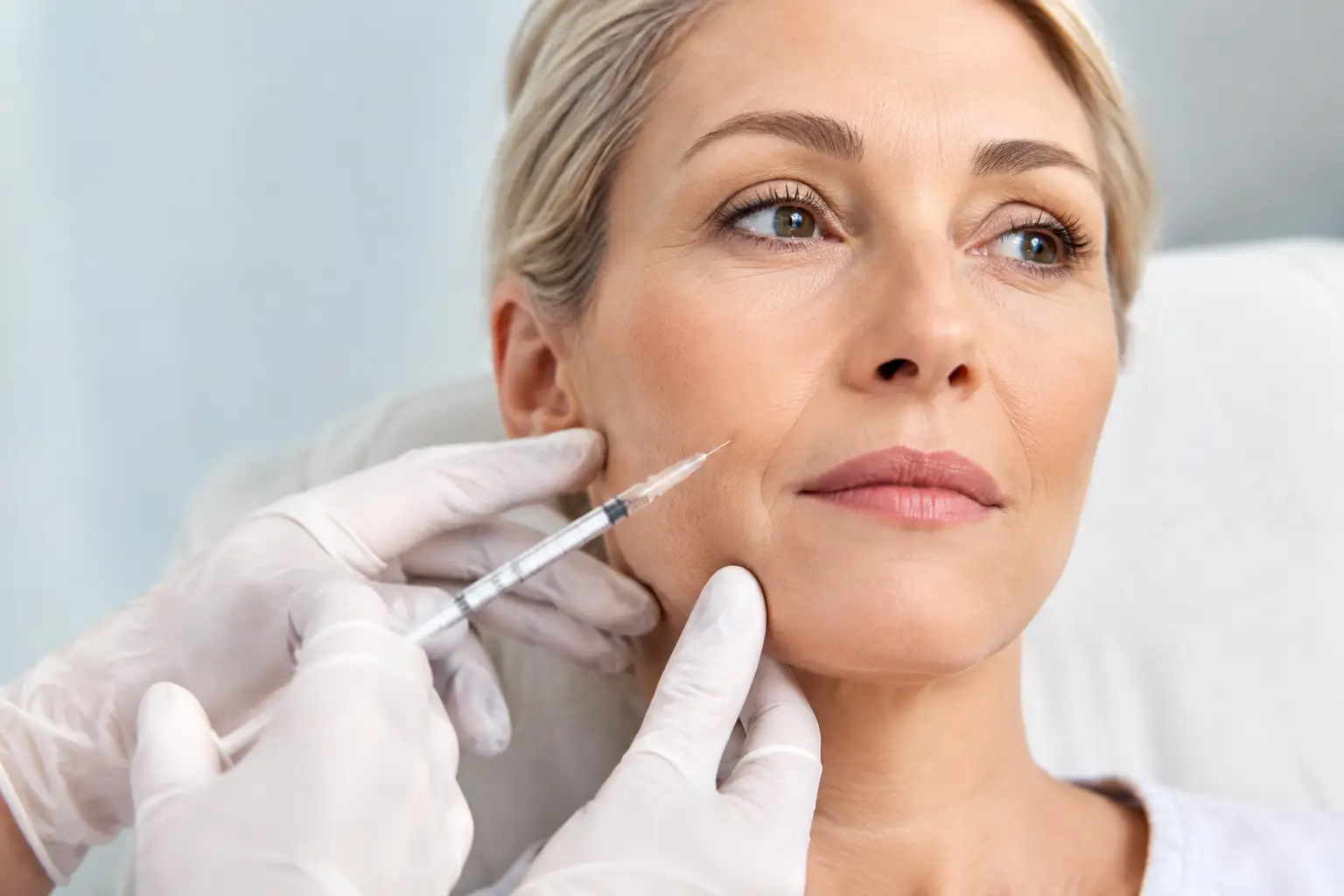
Microneedling is not the right answer to every concern. Deep folds, significant skin laxity, marked facial volume loss, a very hollow tear trough or expression lines caused by muscle activity may respond better to another approach. In some cases, a combination plan using treatments such as skin boosters, anti-wrinkle injections, dermal filler or platelet-rich plasma may be more appropriate. The right choice depends on what is creating the concern, not simply where it appears.
What happens during a microneedling appointment?
A professional appointment should begin with a consultation. Your practitioner will discuss what you would like to improve, your skin history, any current skincare products and whether microneedling is suitable at that time. This is where realistic expectations matter. The goal is refreshed, healthier-looking skin, not an instant filter effect.
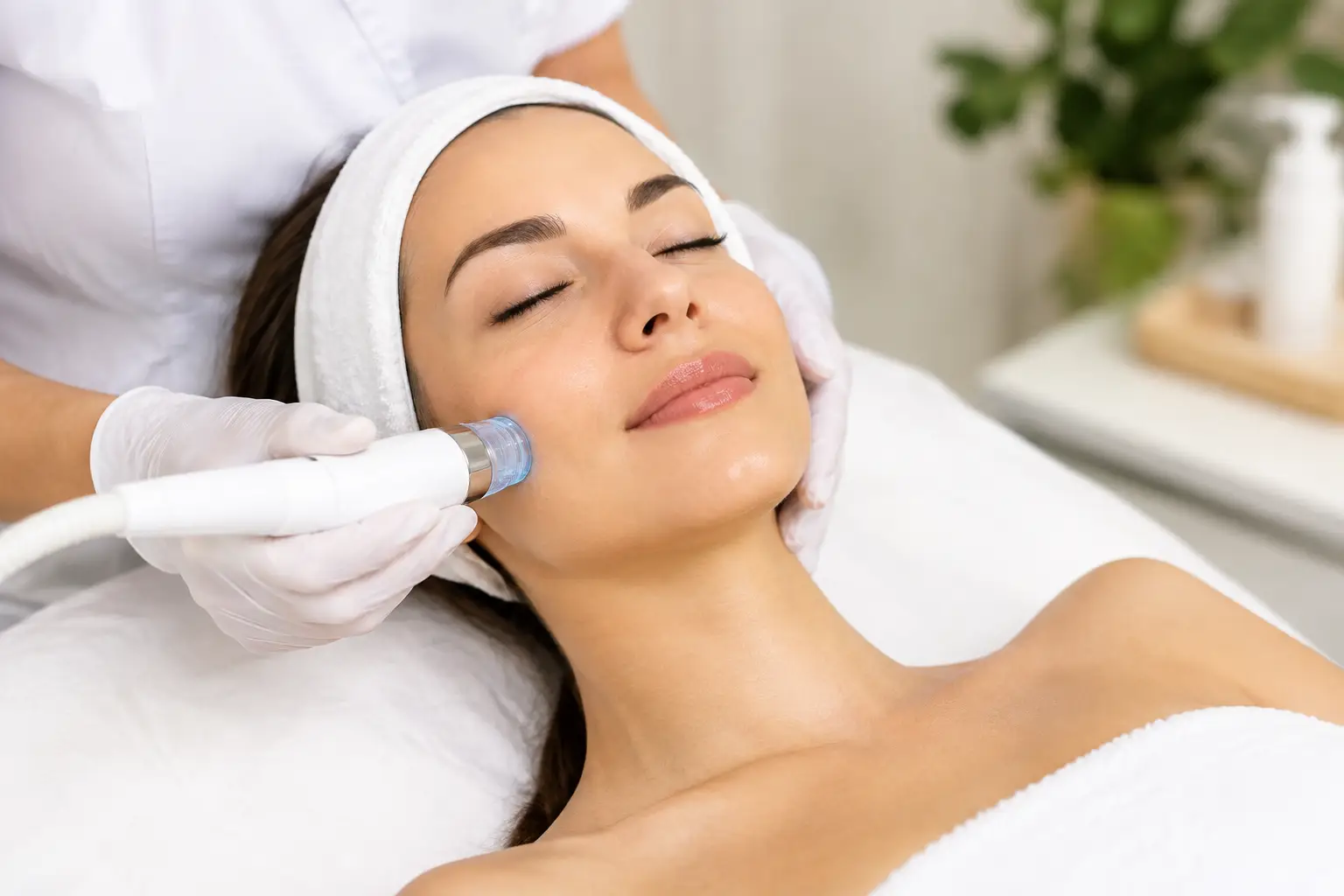
The skin is cleansed carefully before treatment. Depending on the area and treatment plan, a numbing product may be used to help keep you comfortable. The microneedling device is then moved across the skin in a controlled pattern, with the needle depth tailored to the area and concern being treated.
Treatment time varies, but the needling stage itself is usually relatively quick. You may feel a light scratching, warmth or vibration sensation. Afterwards, the skin can look pink or red, similar to a mild to moderate sunburn. This is an expected temporary response and should be explained before you begin.
Recovery: what to expect after microneedling
Downtime is generally minimal, but it is still a skin treatment that needs sensible aftercare. Redness, warmth, tightness and mild swelling can occur after the appointment. For many people, these effects settle over the following day or two, though the exact recovery period varies according to skin sensitivity and treatment intensity.
Your practitioner will give you tailored aftercare advice. In general, it is wise to keep the skin clean, avoid touching it unnecessarily and use gentle products recommended for your recovery. Heat, intense exercise, swimming, saunas and direct sun exposure may need to be avoided for a short period. Daily SPF is particularly important, as freshly treated skin should be protected from UV exposure.
Avoid rushing back into strong active skincare ingredients just because the redness has faded. Products containing retinoids, exfoliating acids or other potentially irritating actives can be too much for skin that is still recovering. Follow the timeline given by your practitioner and let comfort guide you.
Make-up may also need to wait until your skin is ready. This can feel inconvenient if you have plans, so consider booking at a point when you can give your skin some breathing room. A treatment is easier to enjoy when recovery is planned rather than squeezed into a busy weekend.
How many sessions will you need?
There is no single number that suits everyone. Someone looking to improve general radiance may choose occasional maintenance treatments, while a person focused on visible textural concerns or post-blemish marks may benefit from a planned course.
The spacing between appointments matters because collagen renewal is gradual. Treating too frequently does not necessarily mean better results. Your practitioner should recommend a schedule based on your skin, the treatment depth and the outcome you are aiming for.
Photographs taken before treatment and at intervals during a course can be useful. Skin changes slowly, and it is easy to forget how it looked before you started. Good progress is often seen in the way light sits on the skin, how products apply and how confident you feel without relying on heavy coverage.
Who may not be suitable for microneedling?
A consultation is essential because microneedling is not suitable for every skin condition or every moment in your skin journey. Treatment may need to be postponed if you have active breakouts, irritation, infection, open skin or a flare-up of a skin concern in the area to be treated.
You should also tell your practitioner about any medical conditions, allergies, medications, recent treatments and whether you are pregnant or breastfeeding. This is not a box-ticking exercise. It allows the treatment to be adapted, delayed or avoided where needed to protect your skin and wellbeing.
Professional standards matter here. A reputable practitioner uses appropriate sterile equipment, assesses your skin honestly and does not promise a result that your skin cannot realistically deliver. Microneedling should never be treated as a one-size-fits-all procedure.
Microneedling and a wider skin plan
Microneedling works best when it is viewed as one part of good skin maintenance. Consistent SPF, a suitable home skincare routine, hydration and realistic treatment intervals all affect how skin looks over time. It is also worth separating skin texture from facial shape: improving one does not automatically solve the other.
For example, smoother skin can make the face look more rested, but it will not replace lost cheek volume. Similarly, a skin booster may support hydration and glow but will not target every type of uneven texture. A thoughtful consultation identifies which concerns should be treated first, and whether combining or spacing treatments will give a more balanced result.
At Mr Aesthetics, the focus is always on helping you choose treatments that fit your features, your priorities and your comfort with downtime. The most satisfying results tend to look like you on a particularly good day: fresher, more polished and still completely recognisable.
If your skin has started to feel rougher, duller or less even than you would like, microneedling may be worth discussing with a qualified practitioner. The best next step is a clear assessment and a plan that respects what your skin needs, rather than chasing a quick fix.