A full night’s sleep does not always translate to a rested-looking face. Under-eye hollows, shadows, puffiness and fine lines can make you look tired even when you feel well. The right tired eyes treatments begin with understanding what is creating the effect, because a dark under-eye area and a hollow tear trough need very different approaches.
For many people, the goal is not to erase every line or create an overfilled look. It is to soften the contrast beneath the eyes, restore a smoother transition between the lower eyelid and cheek, and look more like yourself on a good day.
Why do eyes look tired?
The eye area is naturally delicate. Skin is thinner here than across much of the face, so changes in hydration, collagen and fat distribution can become visible earlier. As we age, collagen and elastin production slows, facial volume can reduce, and the support between the lower eyelid and upper cheek may become less defined. This can create a hollow known as the tear trough.
Shadows are often mistaken for pigmentation. Sometimes they are caused by actual skin colour, but they can also be a play of light. A hollow beneath the eye catches shadow, particularly in overhead lighting or photographs, making the area appear darker. In this situation, simply choosing a brightening eye cream may not address the main concern.
Fine lines are another part of the picture. Repeated smiling, squinting and facial movement can create expression lines around the outer eye area, while dry or dehydrated skin can make those lines look more noticeable. Puffiness can add a further contrast, particularly when there is a hollow beneath it.
Your anatomy, skin quality and facial proportions all matter. That is why effective treatment should be tailored rather than based on a single before-and-after image.
Tired eyes treatments: choosing the right approach
A considered consultation looks at the whole mid-face, not only the lower eyelid. Treating the cheek, for example, may sometimes improve support and reduce the appearance of a tired transition under the eyes without placing product directly in the tear trough. For others, a targeted under-eye approach is appropriate. It depends on the cause of the concern and the outcome you want.
Tear trough filler for under-eye hollows
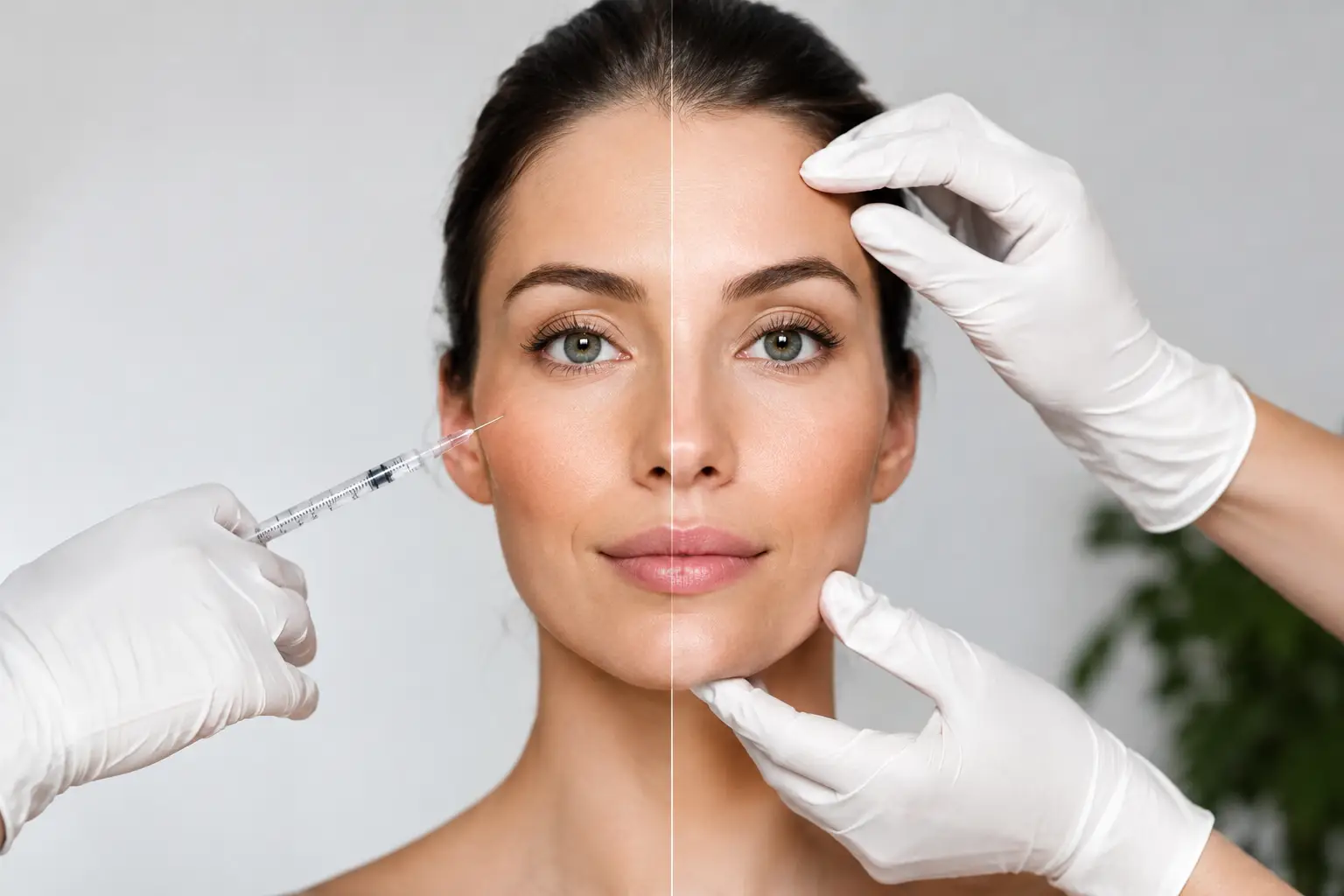
Tear trough treatment can be an effective option where volume loss is creating a clear hollow between the lower eyelid and cheek. Carefully placed hyaluronic acid filler can soften this indentation, reduce the shadow it casts and create a more rested-looking contour.
Hyaluronic acid is a substance that attracts water and is naturally present in the skin. In experienced hands, filler is placed conservatively to support the area rather than make it look puffy. The aim is subtle rejuvenation, not a dramatic change that alters your expression.
This treatment is not suitable for every type of under-eye concern. Prominent bags, significant puffiness, very thin skin or certain anatomical features may mean that tear trough filler is not the best choice. A responsible practitioner will explain this clearly and may recommend an alternative plan or advise against treatment where appropriate.
Temporary swelling, tenderness, bruising and small areas of redness can occur after injectable treatment. The under-eye area deserves particular care because it is delicate and anatomically complex. Always choose a qualified, experienced practitioner who carries out a face-to-face assessment, discusses risks and provides clear aftercare.
Cheek support and facial balance
A tired look does not always start under the eyes. Loss of volume through the mid-face can flatten the cheeks and deepen the divide beneath the eyes. Strategic cheek filler using established hyaluronic acid brands such as Juvéderm or Restylane may restore gentle structure and support, helping the face look fresher as a whole.
This is often a more balanced choice when the concern extends beyond a single hollow. It can improve facial harmony while avoiding an isolated under-eye result. The amount and placement of filler should always be individualised, particularly if you prefer a natural, understated enhancement.
Anti-wrinkle treatment for crow’s feet
Fine lines at the outer corners of the eyes, often called crow’s feet, are linked to muscle movement. Anti-wrinkle injections can relax the targeted muscles, softening the appearance of these expression lines while retaining natural facial movement when planned well.
This approach treats lines created by movement rather than under-eye hollows or dark shadows. It may be used alone for clients whose main concern is crinkling around the eyes, or as part of a wider facial rejuvenation plan. Results vary between individuals, and a consultation is the right place to discuss the level of movement you would like to retain.
Skin boosters and Profhilo for crepey-looking skin
When the eye area looks tired because the skin appears dry, finely lined or less luminous, improving skin quality may be more helpful than adding volume. Skin boosters and Profhilo are injectable treatments designed to support hydration and improve the overall appearance of skin quality.
They are not a replacement for tear trough filler when there is a pronounced hollow. However, for suitable clients, they may complement a wider plan by supporting a smoother, more hydrated-looking complexion. Treatment placement around the eye area must be selected carefully following assessment.
What can help between appointments?
Professional treatments work best alongside realistic everyday care. Consistent sun protection helps protect the skin from UV-related collagen breakdown, while a gentle routine can support comfort and hydration. Avoid rubbing the eye area and introduce active skincare thoughtfully, as irritation can make delicate skin look more tired rather than more radiant.
Sleep, allergies, dehydration and screen use can all influence how refreshed the eye area appears from day to day. Lifestyle changes may reduce temporary puffiness or dullness, but they cannot reliably replace lost facial volume or change the structure of a tear trough. Being honest about this distinction helps you invest in the right option.
Avoid attempting injectable or plasma-based treatments at home. The eye area is not a place for shortcuts, unregulated products or social-media trends. If you notice sudden changes to your vision, severe eye pain or a rapid change in the appearance around your eyes, seek prompt advice from an appropriate medical professional rather than booking an aesthetic treatment.
What happens at a tired-eye consultation?
A good consultation should feel unhurried and clear. Your practitioner will discuss what bothers you in photographs, mirrors and everyday life, then assess skin quality, volume, symmetry and movement. They should also ask about relevant health information and any previous aesthetic treatments.
From there, you can talk through whether the best plan is tear trough filler, cheek support, anti-wrinkle treatment, skin hydration support, or no treatment at all. You should understand what the treatment can reasonably improve, the possible temporary side effects, expected downtime and the likely maintenance required before deciding.
At Mr Aesthetics, the focus is on creating refreshed, polished results that still look like you. Sometimes that means treating the under-eye area directly. Sometimes the most flattering result comes from restoring balance elsewhere in the face.
A fresher look should still feel like your own
The most successful tired eyes treatments do not announce themselves. They simply soften the features that make you look less rested than you feel, allowing your natural expression, skin and confidence to take centre stage. A personalised assessment is the safest way to find the treatment that suits your face, your lifestyle and your idea of a refreshed result.