A softer jawline, lower cheeks that no longer feel as supported, or skin that appears looser around the mouth can change the balance of the face over time. PDO threads offer a non-surgical way to lift selected areas while encouraging the skin’s natural collagen response. For people who want refreshed, more defined facial contours without surgical intervention, they can be a considered option.
The right result is not about pulling the face tight. It is about supporting facial structure in a way that looks balanced, natural and appropriate for your features. A consultation is essential, because thread placement, thread type and suitability vary from person to person.
What are PDO threads?
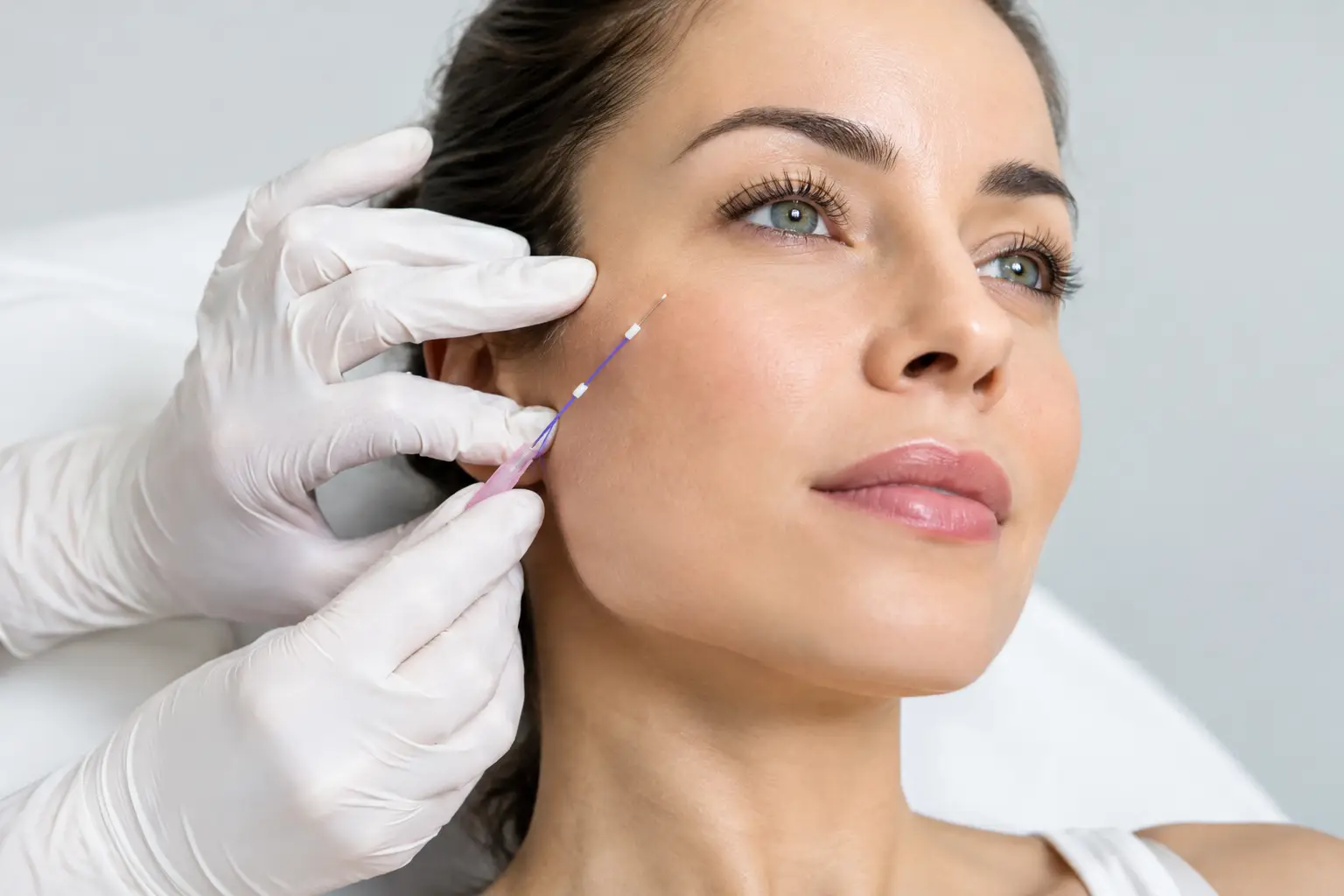
PDO stands for polydioxanone, a medical-grade material that has been used safely in sutures for many years. In aesthetic treatment, fine absorbable threads are placed beneath the skin using a small needle or cannula. Depending on the thread selected, they can create an immediate supporting effect and prompt collagen and elastin production as the body gradually absorbs them.
There are different styles of thread for different concerns. Smooth or mono threads are generally used to support skin quality and stimulate collagen in areas with fine lines or early laxity. Cog or barbed threads have tiny anchors along their length and are designed to grip the tissue, making them more appropriate where a visible lifting and repositioning effect is wanted.
Although the threads dissolve, the collagen response they encourage can continue to support the treated area. This is why results develop in stages rather than appearing fully formed on the day of treatment.
What can PDO thread treatment improve?
PDO threads are often chosen to restore definition where the face has begun to look less lifted. Common treatment areas include the cheeks, jawline, jowl area, neck, brows and nasolabial folds. In the right candidate, threads can help create a fresher facial frame, improve the appearance of mild to moderate skin laxity and bring subtle structure back to the mid-face.
They can also work well alongside treatments that address different parts of the ageing process. Dermal fillers may be used where volume loss is the primary concern, while skin boosters can focus on hydration and skin quality. Anti-wrinkle treatments target movement-related lines. Threads are more about support and lift, so a personalised plan may combine approaches rather than relying on one treatment to do everything.
That distinction matters. If hollowing is the main reason your face looks tired, adding lift alone may not give the change you expect. If the skin is very loose or heavy, threads may not be the most effective route. Honest assessment protects both your comfort and your result.
What happens during a PDO threads appointment?
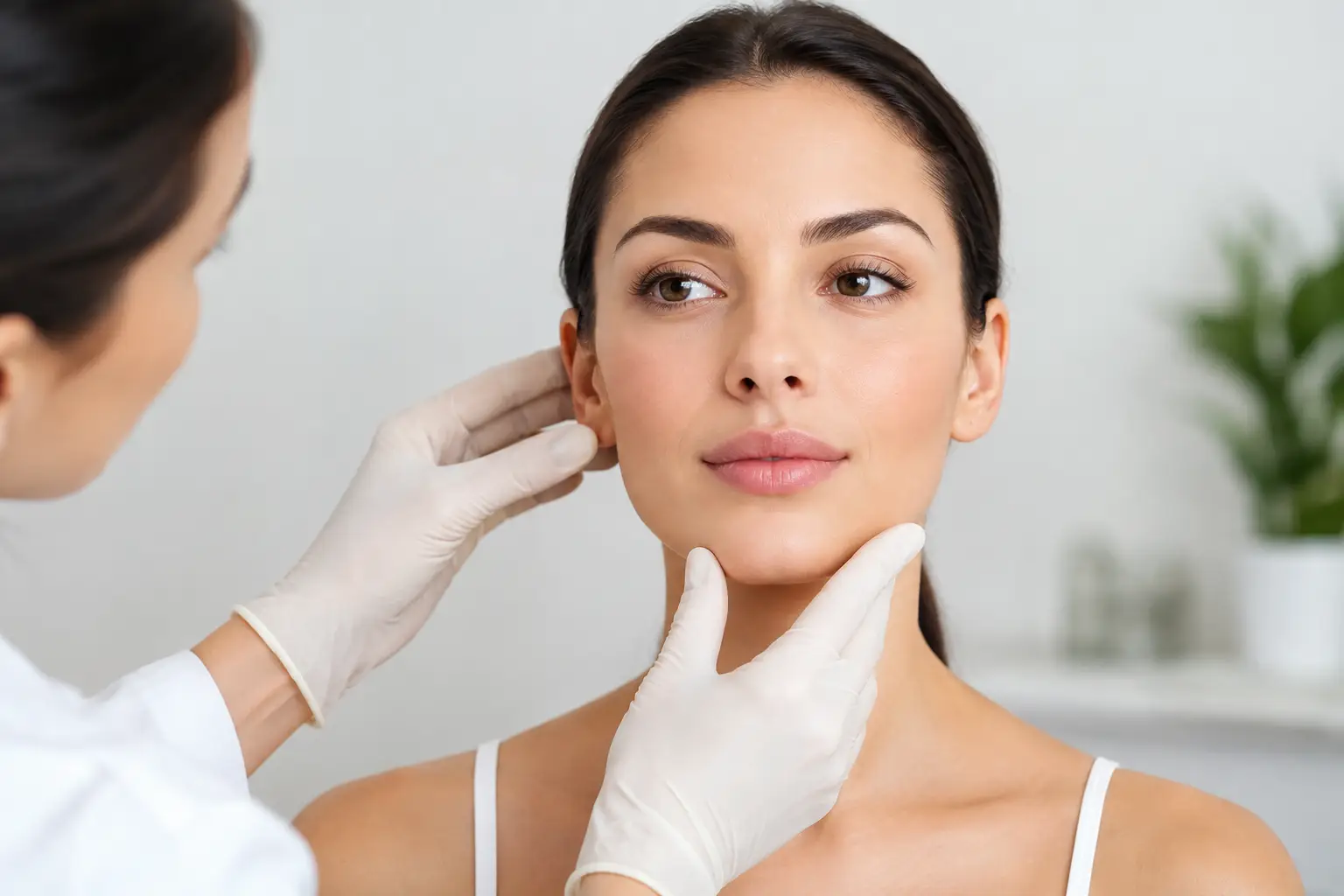
Your appointment begins with a consultation and facial assessment. Your practitioner will discuss the areas that concern you, your preferred level of change, relevant medical history and whether treatment is suitable. They should also explain realistic outcomes, potential side effects and aftercare before proceeding.
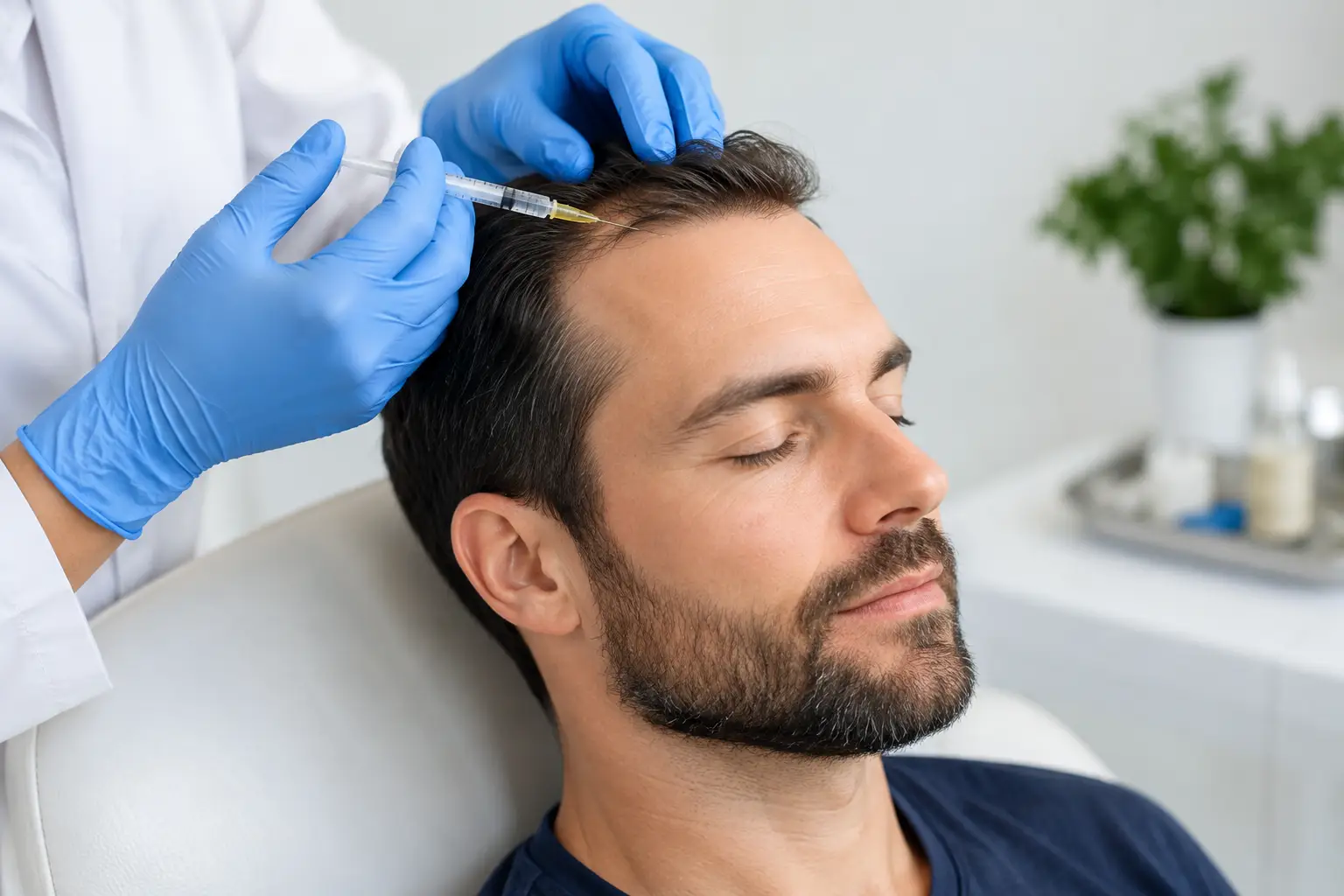
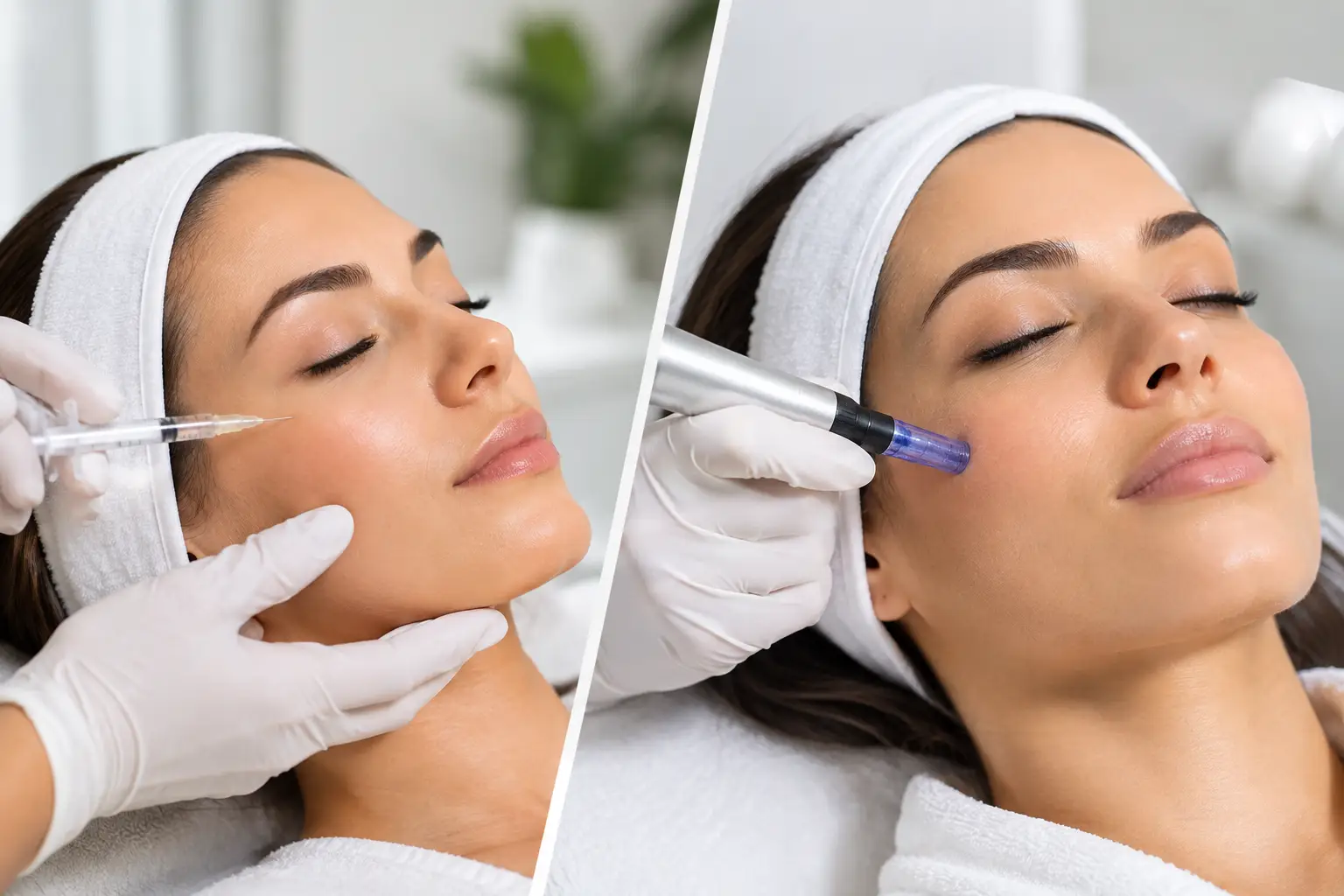
The skin is cleansed and treatment markings are made to guide careful, symmetrical placement. A local anaesthetic is commonly used to keep the procedure as comfortable as possible. The threads are then inserted beneath the skin and positioned to support the chosen area. Once placed, the entry points are cared for and you will be given tailored aftercare advice.
Treatment time depends on the area and the number of threads required, but it is generally an efficient clinic procedure. You may see an initial lift straight away, particularly with cog threads, although swelling can temporarily affect how the area looks. The result usually settles as the tissues recover.
When will you see PDO thread results?
There are two phases to PDO thread results. The first is the immediate mechanical support created when the threads are placed. The second is the gradual improvement in skin texture and firmness as collagen production is stimulated.
Most people see the treated area settle over the first few weeks, with continued refinement over the following months. How long the result lasts depends on the thread type, the treatment area, your skin condition, lifestyle factors and natural ageing. A practitioner can give a more relevant expectation after examining your skin and facial anatomy.
The best results are usually understated rather than dramatic. Friends may notice that you look more rested or that your jawline appears cleaner, without being able to identify exactly why. This is often the goal for clients seeking facial rejuvenation that still looks like them.
Recovery and aftercare: what to plan for
PDO threads involve minimal downtime compared with surgery, but they are not a treatment to schedule immediately before a major event. Mild swelling, tenderness, tightness, bruising or small areas of unevenness can occur. These effects are usually temporary, but recovery looks different for everyone.
For the first few days, it is sensible to be gentle with the treated area. Your practitioner may advise you to avoid vigorous exercise, facial massage, wide chewing movements and pressure on the face while the threads settle. Sleeping on your back where possible can also help protect the treatment area in the early recovery period.
Do not attempt to adjust, press or massage any visible irregularity yourself. Contact your clinic for advice if you have concerns. Following your personalised aftercare guidance is one of the simplest ways to support a smooth recovery.
Safety matters as much as the lift
Thread treatments should only be carried out following a proper assessment by a trained, experienced aesthetic practitioner. Facial anatomy, skin quality, the direction of lift and sterile technique all influence safety and outcome. A lower price should never be the deciding factor when a procedure involves placing threads beneath the skin.
As with any injectable or minimally invasive aesthetic procedure, there are risks. Temporary bruising, swelling, discomfort and asymmetry are possible. Less common complications can include infection, thread visibility, dimpling, prolonged tenderness or thread movement. Your practitioner should explain these clearly, discuss when treatment should be postponed or avoided, and provide a route for aftercare support.
PDO threads are not suitable for everyone. Pregnancy or breastfeeding, active skin infection or inflammation in the treatment area, certain health conditions and some medicines may affect suitability. This is why an open medical history and an unhurried consultation are essential.
Are PDO threads better than fillers or anti-wrinkle treatment?
They are not better or worse. They are designed to do different things.
Hyaluronic acid fillers can restore volume, contour areas such as the cheeks or chin, and enhance features including the lips and jawline. Anti-wrinkle injections relax selected muscles to soften expression lines. PDO threads provide tissue support and can improve the appearance of laxity. The most suitable choice depends on whether your concern is volume loss, muscle movement, skin quality, reduced definition or a combination of these.
For example, a person with early jowling but good cheek volume may be more interested in a thread lift approach. Someone with flattened cheeks and under-eye hollows may need careful volume restoration first. A thorough consultation should focus on the cause of the concern, not simply the treatment currently trending on social media.
Choosing a natural-looking treatment plan
A successful thread treatment respects your face rather than changing it beyond recognition. The aim may be a more supported cheek, a crisper jawline or a subtle lift through the brow area, but every decision should consider facial proportions and your own aesthetic preferences.
At Mr Aesthetics, the conversation starts with what you would like to improve and how you want to feel when you look in the mirror. Whether PDO threads are your best option or one part of a wider facial rejuvenation plan, a carefully tailored approach can help you choose with confidence and realistic expectations.
Discuss PDO threads at a consultation
If you would like to ask whether a PDO thread consultation may be appropriate for you, message me on WhatsApp or request a consultation through our existing booking system. Suitability and options are discussed individually, and an enquiry does not confirm an appointment.
Ask about a PDO threads consultation on WhatsAppRequest a consultation through Faces