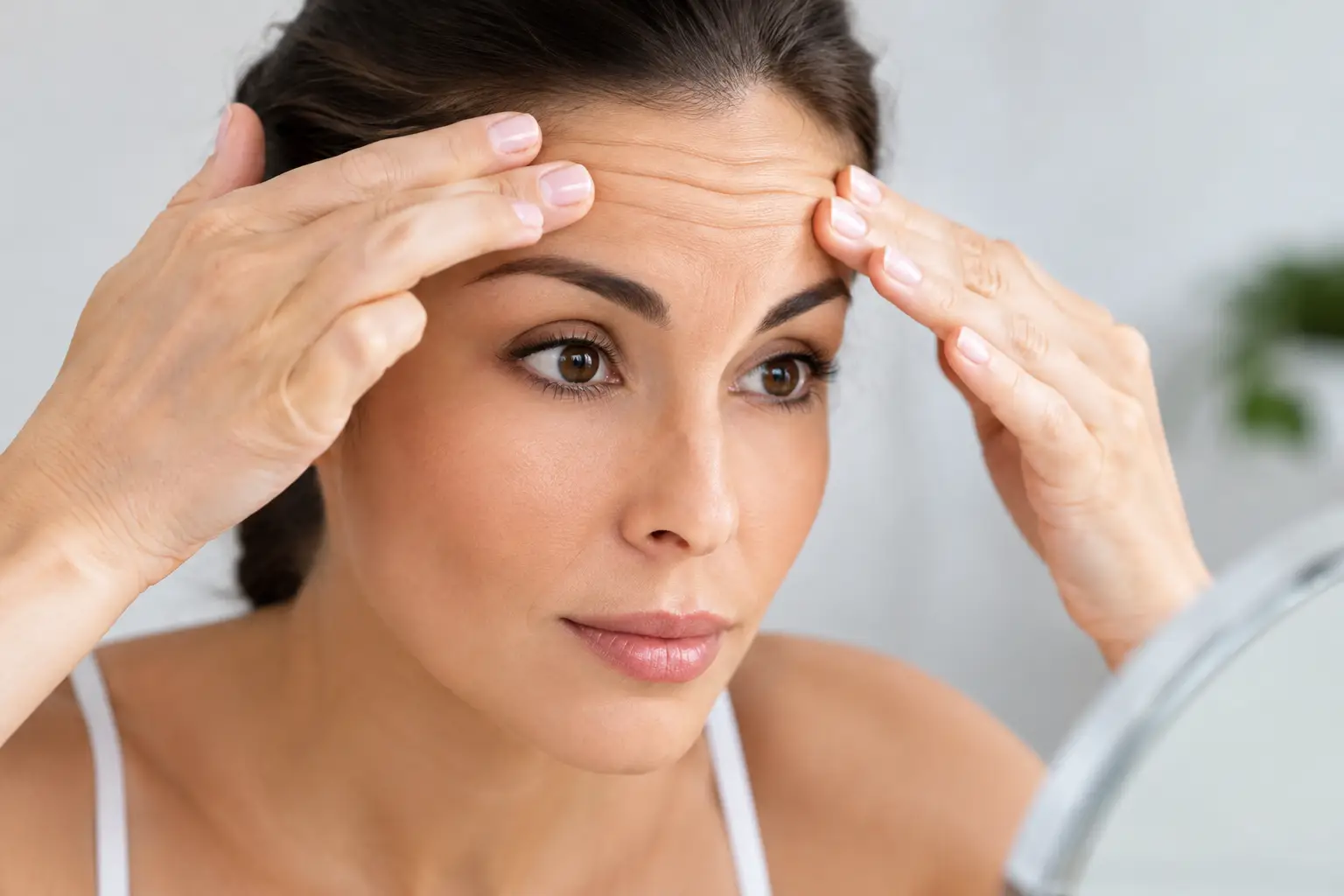
Forehead lines can make you look worried, tired or cross even when you feel completely relaxed. They are often among the first expression lines people notice in photographs and the mirror. The best treatments for forehead lines are not always about making the area look frozen – they are about carefully softening unwanted movement and improving skin quality while keeping your expressions recognisably yours.
A personalised assessment matters because forehead lines do not all form for the same reason. Some appear only when you raise your brows, while others remain visible at rest. Skin texture, sun exposure, hydration, natural facial anatomy and the strength of your forehead muscles all affect which approach is likely to give the most polished result.
Why forehead lines develop
The frontalis muscle runs across the forehead and lifts the eyebrows. Every time you raise your brows, it creates horizontal folds in the skin. In your twenties, those lines usually disappear as soon as the muscle relaxes. Over time, repeated movement combined with gradual reductions in collagen and elastin can allow the creases to become more established.
Dehydrated skin can make fine lines appear more pronounced, while everyday UV exposure accelerates visible ageing. Some people are naturally more expressive or use their forehead muscles to compensate for heavy-feeling eyelids or low-set brows. This is why copying somebody else’s treatment plan is rarely the right answer.
The best treatments for forehead lines
Anti-wrinkle injections for expression lines
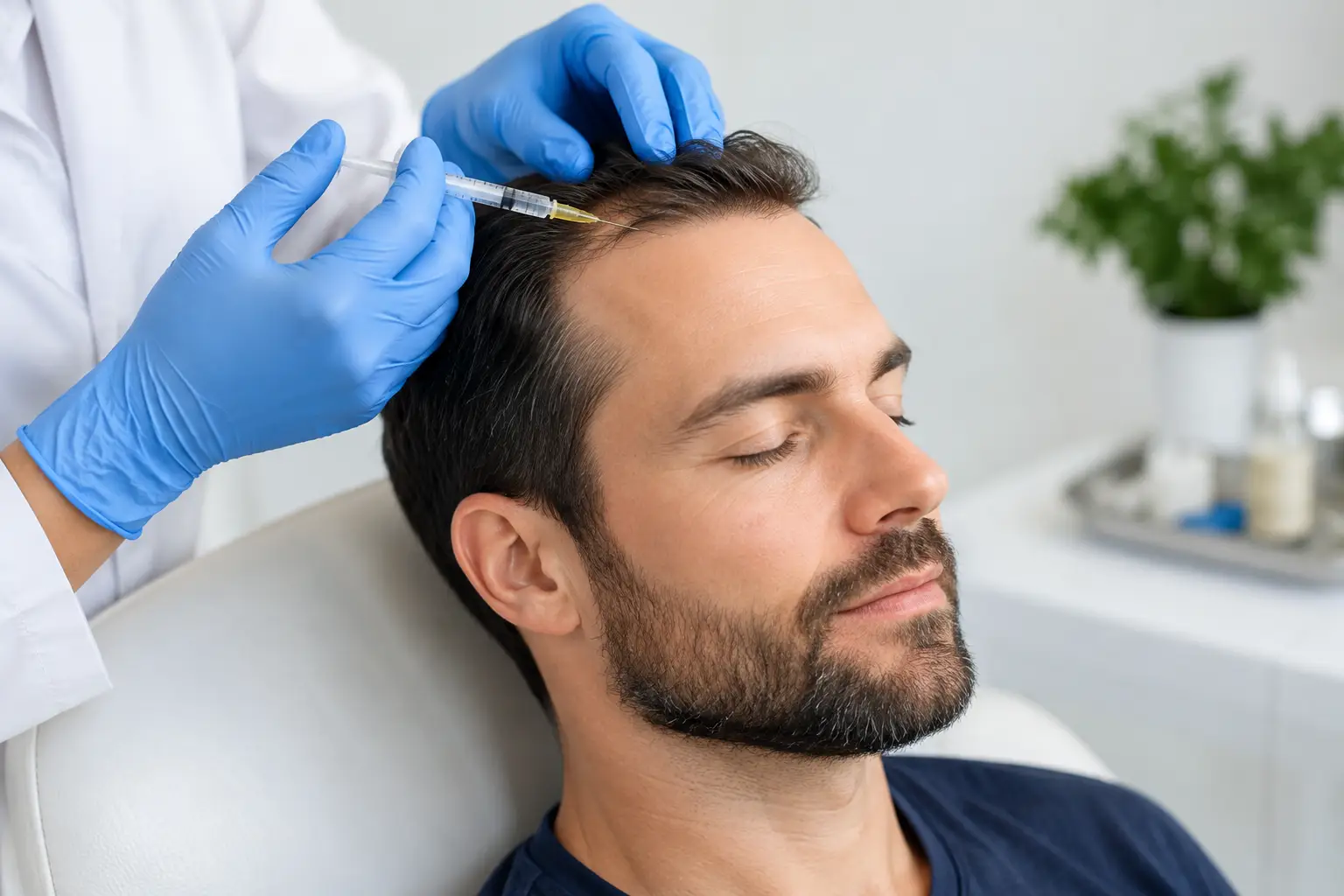
For horizontal forehead lines caused by muscle movement, anti-wrinkle injections are often the most effective non-surgical option. The treatment works by carefully reducing activity in selected areas of the muscle. When the muscle contracts less forcefully, the skin is not repeatedly folded as deeply, helping the forehead look smoother and more rested.
The aim is not necessarily to remove all movement. A skilled practitioner can tailor the placement and dose around your facial expressions, eyebrow position and desired finish. Some clients prefer a very smooth forehead, while others want to retain gentle movement for a softer, natural-looking result.
Treatment is quick, with tiny injections placed at considered points across the forehead. Small areas of redness, swelling or tenderness can occur afterwards and usually settle quickly. Results develop gradually rather than immediately, commonly becoming noticeable over the following days and reaching their full effect at around two weeks. The effect is temporary, so maintenance appointments are normally needed to retain the result.
Forehead treatment must always be balanced with the muscles around the brows and eyes. Treating the forehead in isolation can be unsuitable for certain facial structures, particularly where brow position needs careful support. This is one reason a proper consultation is far more valuable than choosing a standard number of injection points.
Skin boosters and Profhilo for crepey texture
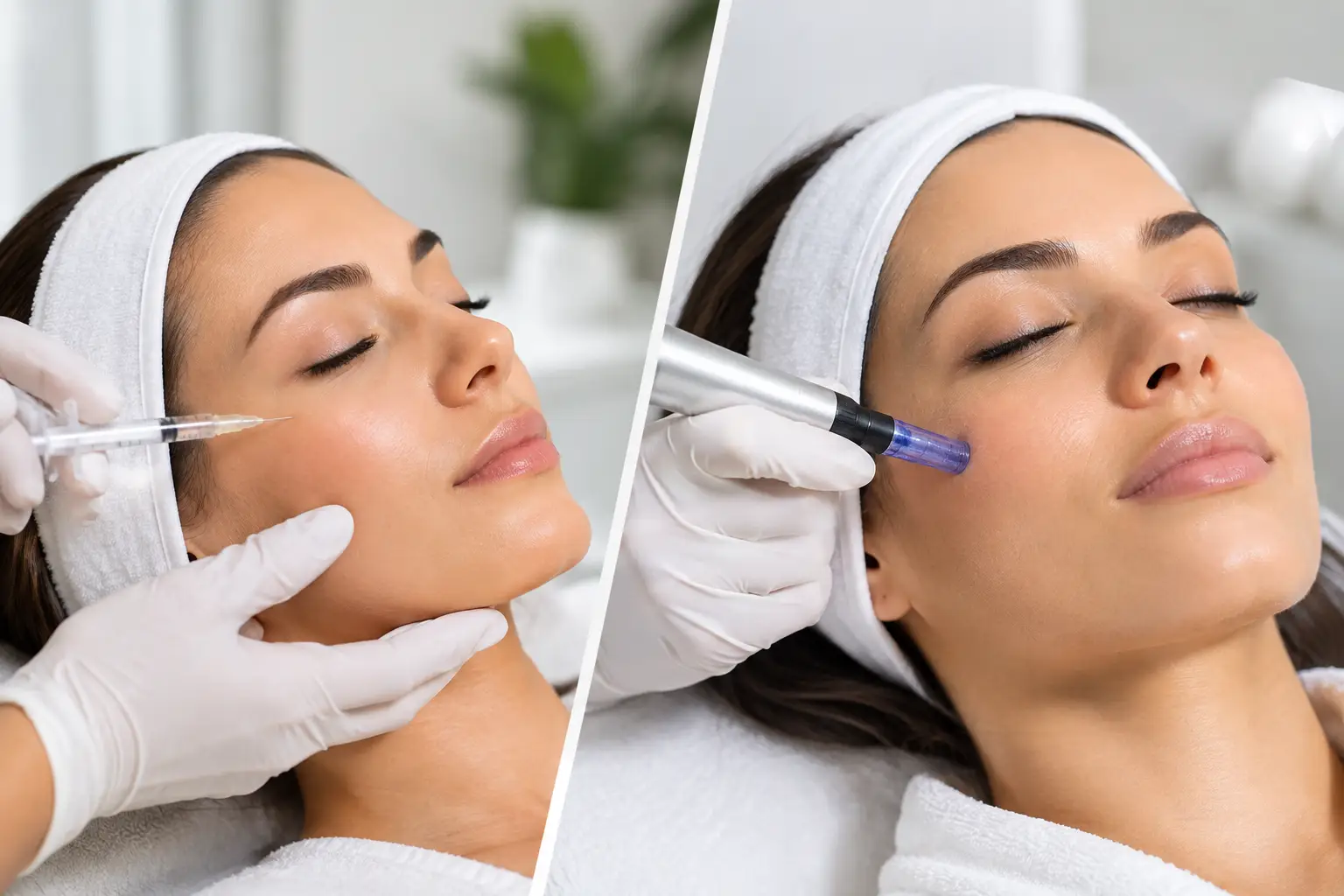
If your main concern is fine, etched lines and skin that feels thin, dry or crepey, skin hydration treatments can be a valuable addition to anti-wrinkle injections. Skin boosters and Profhilo use hyaluronic acid to improve hydration within the skin, supporting a fresher, smoother-looking surface.
These treatments do not switch off muscle movement, so they are not a replacement for anti-wrinkle injections where strong expression is driving the lines. Instead, they focus on skin quality. Many clients find this combination particularly useful when their forehead lines are visible both at rest and when raising their brows.
Hyaluronic acid attracts water, helping skin look more hydrated and luminous. Improvements in bounce, texture and fine-line softness tend to develop gradually as the skin responds. The degree of improvement depends on the condition of the skin, the depth of the lines and the treatment plan recommended for you.
Dermal filler in carefully selected cases
Very deep forehead creases may need more than muscle relaxation and hydration alone. In selected cases, dermal filler can be considered to support a deeper static line or address a contour concern. Filler treatments use hyaluronic acid gel, with established options including Juvéderm and Restylane, to restore carefully placed volume.
However, the forehead is an advanced treatment area with important blood vessels and a higher level of technical consideration than many other parts of the face. It is not a routine first choice for every forehead line, and it should never be approached as a quick fix. An experienced practitioner will assess whether it is appropriate, discuss risks clearly and may recommend a more conservative approach instead.
For many people, treating muscle activity first and reassessing the skin once the area has settled produces the most natural pathway. Deep lines may soften significantly when they are no longer being repeatedly compressed.
Plasma Fibroblast for selected skin concerns
Plasma Fibroblast treatment may be considered for particular concerns relating to skin texture and laxity. It works by creating controlled micro-points on the skin surface, supporting the natural renewal process and encouraging collagen production over time.
It is not the first treatment choice for active horizontal expression lines, but it can have a place where surface texture is a more prominent concern. Downtime and aftercare need to be considered carefully, including temporary crusting and redness. Suitability varies, particularly across different skin types and pigmentation concerns, so an individual consultation is essential.
What gives the most natural-looking result?
Natural-looking forehead rejuvenation is about proportion. If the forehead is treated too strongly without considering the brows, the face can feel heavier or less expressive. If only skin hydration is addressed while the muscle remains very active, lines may return quickly with movement. The best plan is usually one that respects how your whole upper face works together.
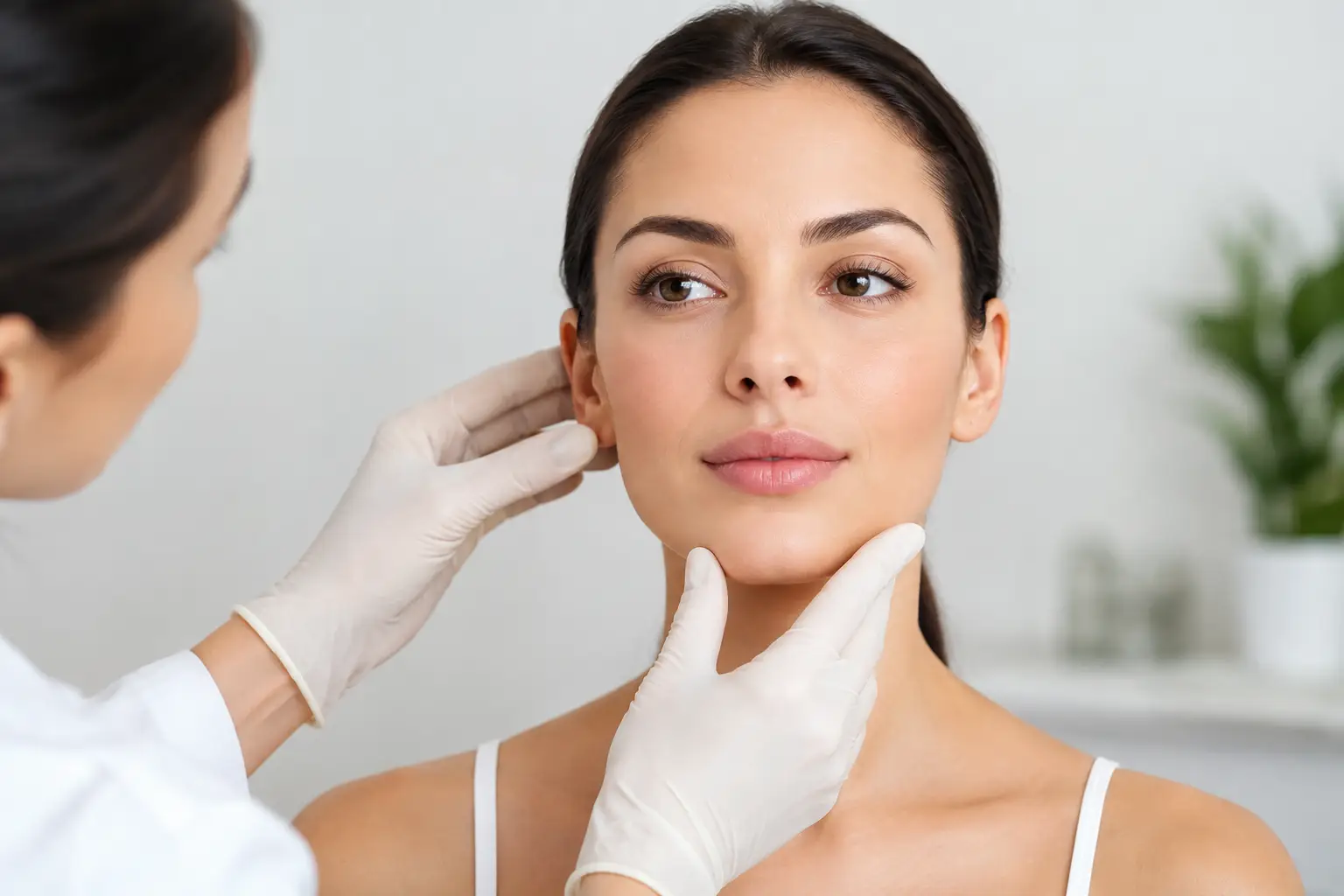
Your practitioner should assess your forehead at rest and in motion. They may ask you to raise your eyebrows, frown and relax so they can see which muscles are active and where lines are forming. They should also discuss your expectations honestly. A line that has been present at rest for years may improve substantially, but may not disappear entirely after one treatment.
Starting conservatively is often sensible, especially for first-time clients. It allows the result to be reviewed and refined without overcorrecting. A refreshed forehead should still look like your forehead – just smoother, brighter and less tense.
Supporting your treatment results at home
Professional treatments work best when they are supported by consistent skin care. Daily broad-spectrum SPF is one of the most worthwhile habits for protecting collagen and limiting further sun-related skin ageing. Keeping the skin well moisturised can also reduce the look of dehydration lines and improve the way make-up sits across the forehead.
Avoid rubbing or pressing the treated area after injectable appointments unless you have been specifically advised otherwise. Follow all aftercare given by your practitioner, and be open about previous treatments, allergies, medical history and any medicines or supplements you take. These details help your provider make safer, more informed recommendations.
Choosing your treatment plan
There is no single answer for every forehead. Dynamic lines often respond best to anti-wrinkle injections, while more established lines may benefit from a plan that also supports hydration and skin quality. Where volume loss or deep static creases are involved, advanced assessment is particularly important.
At Mr Aesthetics, consultations are designed to turn a vague concern such as looking tired or cross into a clear, realistic treatment plan. You should leave understanding what is being recommended, why it suits your face, the likely aftercare and when to review the result.
The most confidence-building change is rarely the most dramatic one. It is the one that lets your face look rested, smooth and quietly refreshed every time you catch your reflection.