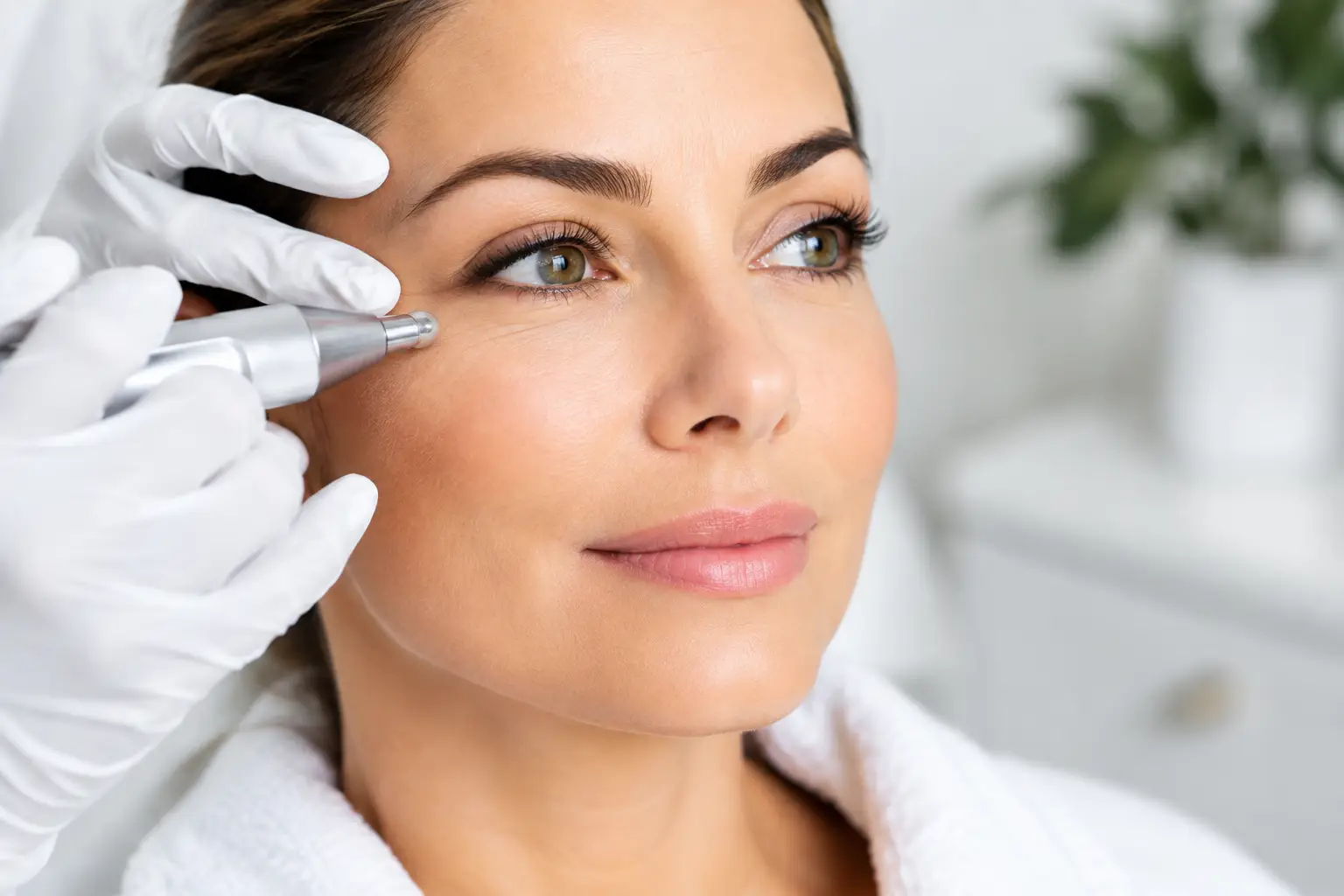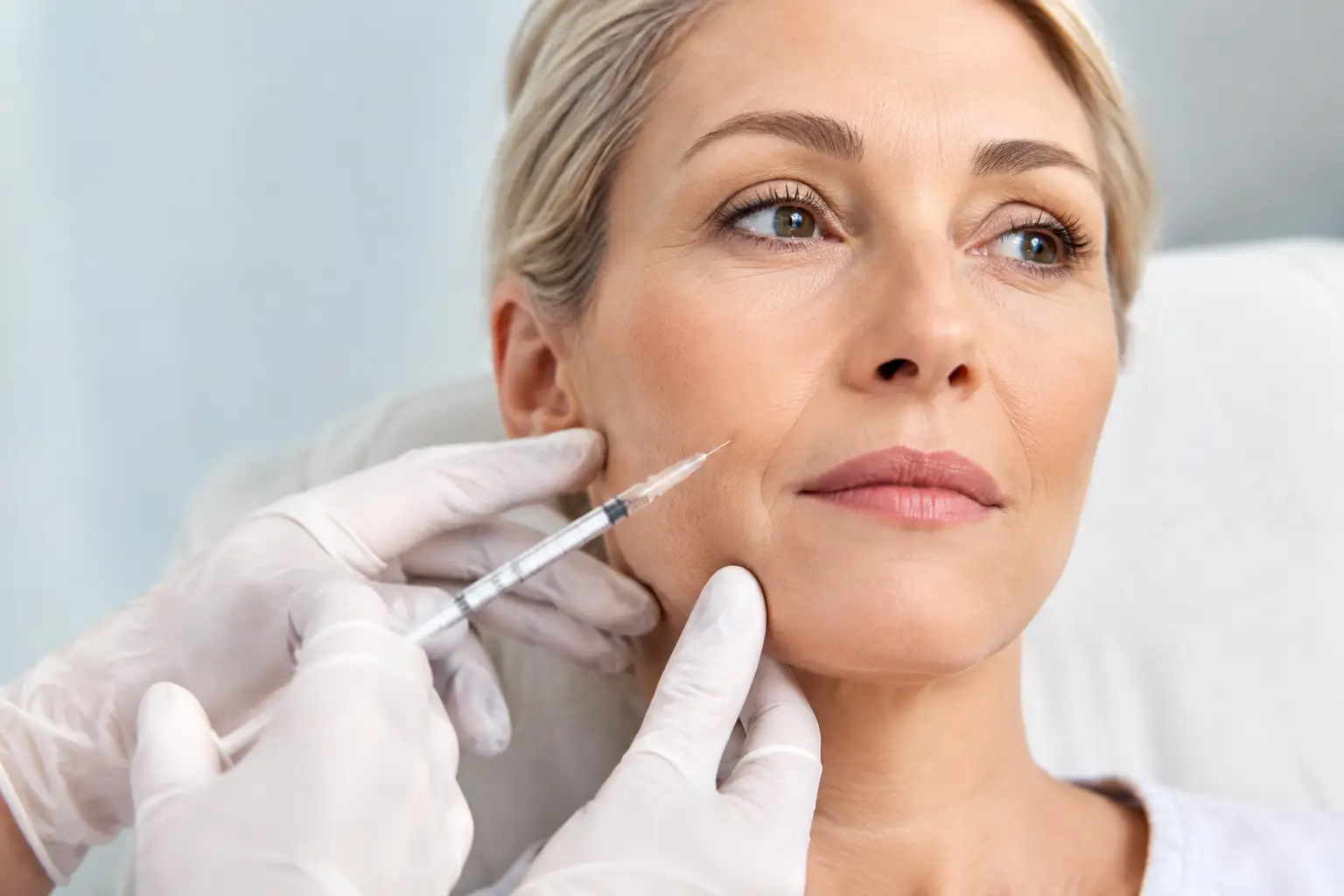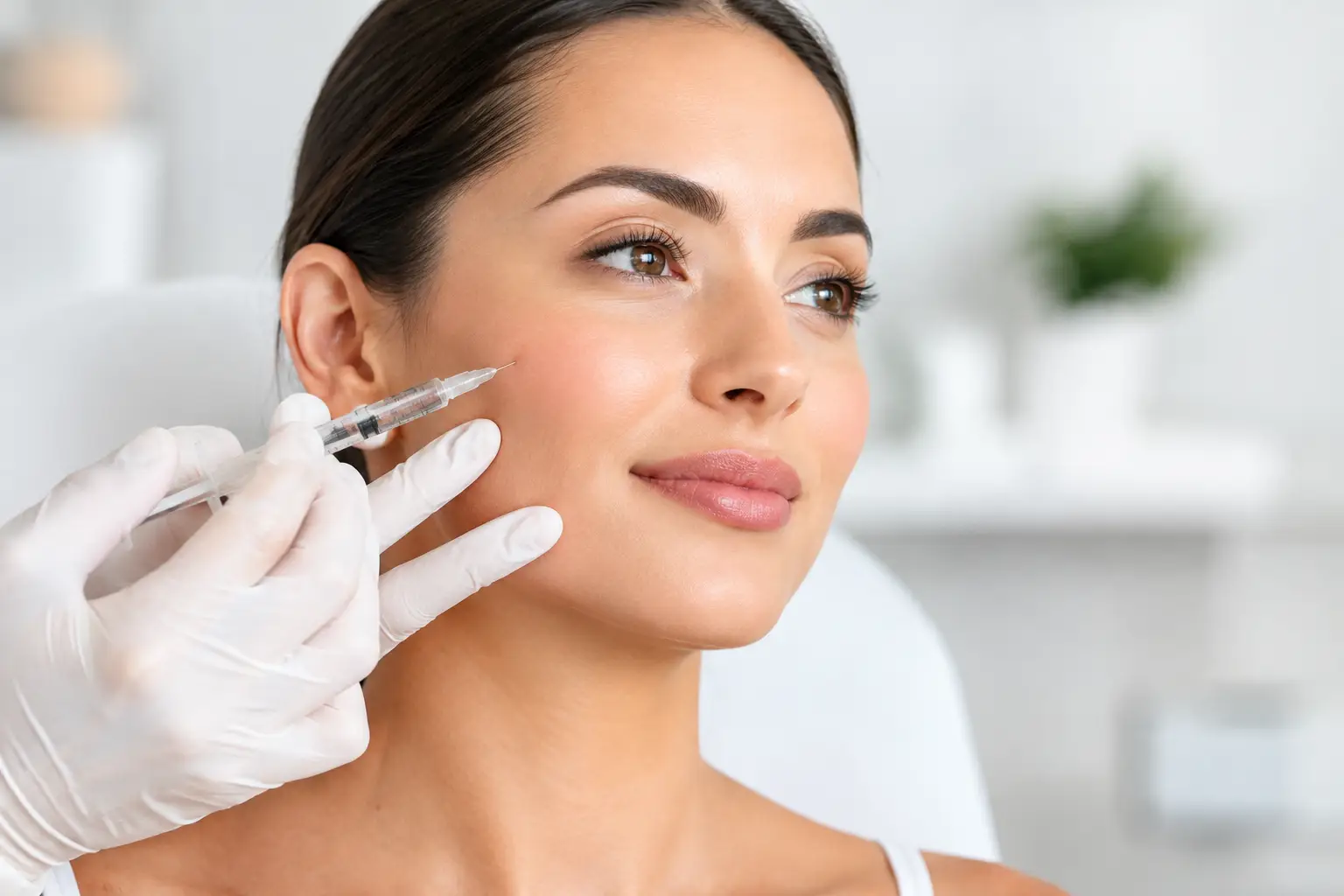
A flatter mid-face can make the under-eye area look heavier, deepen smile lines and leave the face looking tired even when you feel well rested. So, can fillers lift cheeks? In the right person, carefully placed cheek filler can restore lost support and create a noticeable yet natural-looking lift through the mid-face.
Cheek filler is not about making every face look dramatically fuller. The most refined results often come from replacing volume where it has been lost, improving facial balance and helping the features look fresher without changing who you are.
Can fillers lift cheeks without surgery?
Yes, dermal fillers can create a non-surgical cheek lift by adding support to specific points of the mid-face. Most modern cheek treatments use a hyaluronic acid filler, a gel-like substance that attracts water and integrates within the tissue to add volume and shape.
As we age, the face naturally loses some of its collagen, elastin, fat and bony support. The cheeks can gradually flatten or descend, which may contribute to hollowness beneath the eyes, more obvious nasolabial folds and a less defined facial contour. Restoring strategic volume higher on the cheek can improve this structure rather than simply filling the lines below it.
The word “lift” needs realistic context. Filler does not physically reposition skin and tissues in the way a surgical facelift can. Instead, it can give the appearance of a lift by rebuilding support and contour in the areas that influence the rest of the face. For many people with mild to moderate volume loss, that distinction still produces a very pleasing refresh.
How cheek filler creates a lifted appearance
A skilled practitioner assesses the face as a whole, not just the cheek in isolation. The cheekbone, front of the cheek, temples, under-eye area, jawline and chin all influence how balanced the mid-face appears.
Filler may be placed along the cheekbone to create gentle projection, in the lateral cheek to support the outer face, or more centrally to restore youthful fullness. The appropriate placement depends on your natural anatomy, skin quality, existing volume and the result you would like to see.
Higher, structural placement is often chosen when the goal is contour and support. More forward placement may suit someone whose cheeks look flat from the front. Some faces need only a subtle amount of product, while others require treatment over more than one appointment to achieve a balanced result safely. More filler is not automatically better. Overfilling can make the mid-face appear puffy or heavy rather than sculpted.
What a natural cheek lift should look like
Natural-looking cheek enhancement should complement your face in motion as well as at rest. You may notice a smoother transition between the under-eye and cheek, a softer appearance around the smile lines and more definition in photographs. The aim is usually a rested, refined look, not sharply exaggerated cheekbones unless that is genuinely appropriate to your features and goals.
There is no single ideal cheek shape. A full assessment should consider facial proportions, gender expression, ethnicity, age and personal preference. A result that suits one person may not suit another.
Who may benefit from cheek filler?
Cheek filler can be suitable for adults who have noticed early volume loss, flatter cheeks, asymmetry or a tired-looking mid-face. It can also suit younger clients who naturally have less cheek projection and want a subtle contouring effect.
It may be particularly helpful if your main concern is that your face has begun to look less supported, rather than simply having one isolated line. By treating the structural cause first, it is sometimes possible to avoid placing excessive filler directly into folds around the nose and mouth.
However, treatment is not right for everyone at every appointment. Active skin irritation or infection in the treatment area, certain medical considerations, pregnancy or breastfeeding, and previous filler that has migrated or remains present can all affect whether treatment should go ahead. An in-person consultation is the right place to discuss your medical history, previous aesthetic treatments and expectations.
What happens during a cheek filler appointment?
Your appointment should begin with a consultation and facial assessment. This is the time to explain whether you are seeking a gentle refresh, clearer cheekbone definition or a broader facial balancing plan. Clinical photographs may be taken to help assess symmetry and track your result.
The skin is cleansed before treatment. Depending on the plan, filler may be placed with a fine needle, a cannula, or a combination of both. Many hyaluronic acid fillers contain local anaesthetic to improve comfort. You may feel pressure or a brief pinch, but treatment is generally quick.
Afterwards, the practitioner assesses the contour from different angles and gives you aftercare guidance. Some results are visible immediately, although mild swelling can temporarily make the cheeks look fuller than the settled result. Avoiding strenuous exercise, excessive heat and pressure on the area for the advised period can help support a comfortable recovery.
How long do lifted cheeks from filler last?
Cheek filler is temporary. How long it lasts varies with the product used, the amount placed, your metabolism, facial movement and your individual tissue characteristics. Many clients enjoy results for around 9 to 18 months, but this is a guide rather than a promise.
Some people choose a review appointment once the filler has settled, particularly if the treatment plan is being built gradually. Maintaining a soft, natural contour often works better than waiting until all volume has disappeared and then trying to replace it at once.
Aesthetic treatment also works best when it respects the changing face. What suited you five years ago may not be the right approach now, and a personalised review keeps the plan focused on your current features rather than a fixed formula.
Side effects, safety and choosing the right practitioner
Temporary tenderness, redness, swelling and bruising can occur after cheek filler. These effects usually settle over the following days, though bruising can last longer in some people. It is sensible to schedule treatment away from an important event where possible.
Dermal filler is a medical aesthetic treatment and should never be treated as a casual beauty purchase. The cheek area contains blood vessels and requires thorough anatomical knowledge, appropriate products, sterile technique and the ability to recognise and manage complications. Rare but serious complications can occur with filler, so choosing a properly trained, experienced practitioner is essential.
Be open about all previous injectable treatments, including treatments carried out elsewhere. This information helps your practitioner plan safely, especially if filler has been placed in the cheek, tear trough, nose or surrounding areas before.
At Mr Aesthetics, a cheek filler consultation is centred on the result that suits your own face. Whether you want a subtle mid-face refresh or more defined contour, a considered plan can help you feel confident that your enhancement still looks like you.
When cheek filler may not be the whole answer
Not every concern around the cheeks is caused by volume loss. Skin laxity, surface texture, pigmentation, under-eye hollowing and deeper changes to facial tissues may each need a different approach. In some cases, cheek filler can improve the overall balance but will not completely remove folds, eye bags or loose skin.
This is why honest consultation matters. A good plan may involve treating the cheeks first and reassessing once the area has settled, rather than attempting to correct every concern in one session. It can also mean deciding that filler is not the best option for your current goal.
The best cheek filler results are not measured by how much volume has been added. They are measured by whether you look refreshed, proportioned and recognisably yourself. If your mid-face has lost its soft support or definition, a personalised assessment can show whether a subtle, well-placed cheek enhancement is the right next step.