A small pocket of fullness beneath the chin or around the lower face can change how defined your profile looks, even when your weight is stable. This fat dissolving guide explains how injectable contouring can help with stubborn, localised fat deposits, what the treatment involves, and why an individual assessment matters before any injections are planned.
Your Fat Dissolving Guide: What the Treatment Does
Fat-dissolving injections are a non-surgical treatment designed to reduce carefully selected areas of localised fat. They are not a weight-loss procedure and they cannot replace a healthy lifestyle, but they can be a useful option when a particular area is resistant to diet and exercise.
The active ingredient commonly used is deoxycholic acid, a substance related to a naturally occurring bile acid in the body. When professionally injected into the correct layer of fatty tissue, it disrupts fat-cell membranes. The body then gradually processes the treated cells and clears the resulting waste through its normal metabolic processes.
Once fat cells have been broken down and cleared, they do not simply refill. However, the remaining fat cells in the area can still enlarge with significant weight gain. Maintaining a relatively stable weight is therefore the best way to support a long-lasting, refined result.
For many clients, the goal is not to look dramatically different. It is to create a cleaner jawline, soften a small double chin, or improve the transition between the face and neck so photographs and side profiles feel more flattering.
Which Areas Can Be Treated?
The chin and upper neck are among the most common areas for fat-dissolving treatment. Submental fullness, often called a double chin, can be influenced by genetics, ageing, weight changes and facial structure. Even slim people may have a pocket in this area that makes the jawline appear less defined.
Depending on the practitioner’s assessment, small localised areas on the body may also be considered. Suitability depends on the thickness and position of the fat, the quality and laxity of the skin, and the anatomy beneath it. Injectable fat dissolving is intended for limited, pinchable pockets of fat, rather than larger areas of body contouring.
This distinction is important. If the main concern is loose skin rather than fat, removing volume alone may not give the polished outcome you have in mind. In some cases, skin-tightening or collagen-stimulating treatments may be discussed as part of a broader plan. The right approach depends on whether fullness, skin laxity, facial proportions or a combination of factors is affecting the area.
A consultation should shape the plan
A good consultation is more than choosing an area and booking an appointment. Your practitioner should look at the treatment area from different angles, discuss your medical history and current medications, and ask what change you would realistically like to see.
They should also explain whether fat-dissolving injections are appropriate for you. Treatment may need to be postponed or avoided for people who are pregnant or breastfeeding, have an active skin infection near the area, have certain allergies, or have health factors that make treatment unsuitable. Be open and accurate during your consultation. It helps protect your safety and supports better treatment planning.
What Happens During a Fat-Dissolving Appointment?
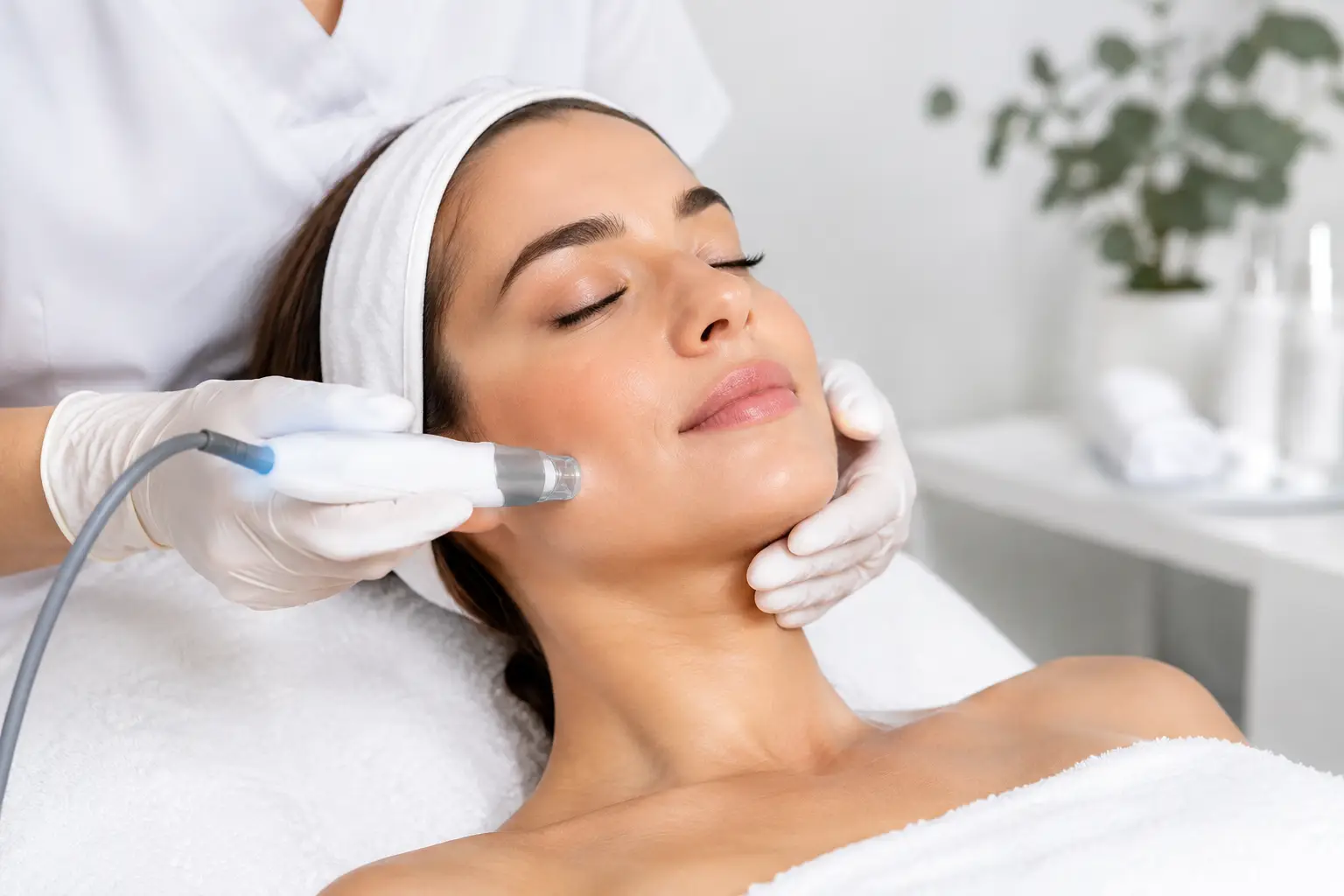
After the area has been assessed and marked, the skin is cleansed and the injections are placed at measured points within the fatty tissue. The number of injection points depends on the size and shape of the area being treated. The appointment itself is usually relatively quick, although a consultation and photography may add time to your visit.
You may feel brief stinging or pressure as the product is administered. Providers use considered injection technique and treatment mapping to deliver product precisely, particularly in areas such as the chin and jawline where anatomy needs careful attention.
Most people need a course of treatments rather than one appointment. The exact number and spacing of sessions varies according to the amount of fat present, how your body responds and the level of contouring you want to achieve. A responsible practitioner will not promise a fixed outcome before seeing how the treated area settles.
Swelling, Downtime and the Healing Process
Swelling is an expected part of the process, especially beneath the chin. Some people experience noticeable fullness for several days, while others may take longer to settle. Tenderness, redness, warmth, bruising, firmness and temporary numbness can also occur. These effects are usually temporary, but they should be factored into your diary if you have a wedding, holiday or important event approaching.
The treatment does not create an instant contour. Early swelling can make the area look temporarily fuller before improvement begins. As your body processes the disrupted fat cells, changes develop gradually over the following weeks. This slower timeline is often appreciated by clients who want their results to look natural rather than suddenly altered.
Your practitioner will give personalised aftercare instructions. Follow them closely, avoid touching or massaging the area unless specifically advised, and contact the clinic if something does not feel right. Severe or worsening pain, marked skin colour changes, spreading redness, difficulty swallowing, or any unexpected symptom should be assessed promptly.
How to Prepare and Recover Well
Arrive with clean skin and tell your practitioner about all medicines, supplements and recent treatments. Do not stop prescribed medication without advice from the clinician who prescribed it. If you are prone to bruising or have a history of reactions to injectable treatments, mention this during consultation rather than on the day.
After treatment, give your body time to recover. Plan for swelling and avoid booking immediately before a major social occasion. Keep hydrated, follow the aftercare provided, and be patient with the timeline. Taking progress photographs in consistent lighting can be more useful than checking the mirror every day, as gradual results are easier to recognise over several weeks.
Choosing a Safe Provider Matters
Fat-dissolving injections are technique-sensitive. The face and neck contain important structures, and placing product too superficially, too deeply or in an unsuitable area can affect both safety and outcome. Your priority should be a trained, insured practitioner who carries out a proper consultation, has a clear understanding of facial anatomy, uses appropriate products and is willing to say when treatment is not the best option.
Ask how the treatment works, what side effects are likely, what results are realistic for your anatomy, and how complications are managed. You should never feel rushed into a decision, pressured by a discount, or encouraged to treat a large area simply because it is possible.
At Mr Aesthetics in Leigh, treatment planning is centred on balanced, visible refinement rather than a one-size-fits-all approach. For some clients, a more defined chin and jawline may complement other non-surgical facial treatments; for others, fat dissolving alone may be the clearest route to their goal.
Is Fat Dissolving Right for You?
Fat dissolving can be a confidence-building option for adults with small, defined fat deposits who want non-surgical contouring and are comfortable with a gradual result and temporary swelling. It is less suitable for anyone seeking overall weight reduction, immediate transformation, or a solution for significant loose skin.
The best result starts with an honest conversation about what you see, what is realistically treatable, and how much downtime you can accommodate. A well-planned treatment should leave you looking like yourself, simply more sculpted in the areas that have been bothering you.