A sharper chin or more refined body contour does not always look instantly visible after treatment. In fact, swelling can make the area appear temporarily fuller before it begins to settle. Following the right fat dissolving aftercare steps helps you stay comfortable, supports a smooth recovery and gives your treatment area the best possible conditions to reveal its developing contour.
Fat-dissolving injections are a non-surgical option for stubborn, localised pockets of fat that may not respond to lifestyle changes alone. At Mr Aesthetics, your aftercare is tailored to the area treated, the product used and your individual response. The instructions you receive at your appointment should always take priority over general advice.
Fat Dissolving Aftercare Steps Start Straight Away
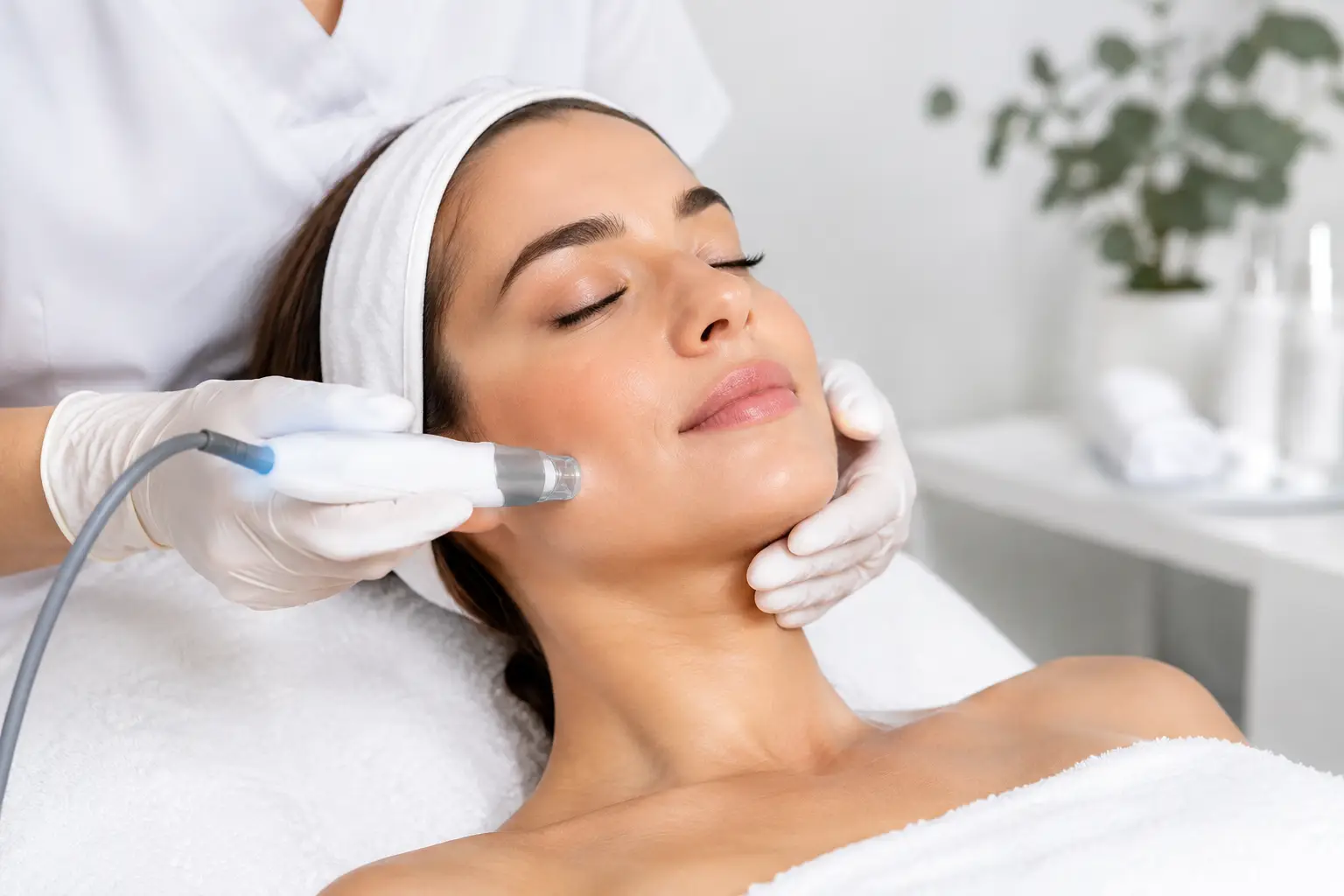
Fat-dissolving treatments use carefully placed injections to target fat cells beneath the skin. Deoxycholic acid is commonly used in these treatments to disrupt the targeted fat cells, which are then processed gradually by the body. This process creates an inflammatory response, so swelling, tenderness and firmness are not unusual parts of the early healing phase.
Before you leave the clinic, make sure you understand how to care for the specific area treated. Ask when you can return to exercise, whether you should use a cold compress, and when to arrange your review or next session. A clear plan is particularly useful if you are having treatment in a visible area such as under the chin or around the jawline.
Do not rub, press or massage the treatment area unless your practitioner has specifically instructed you to do so. It can be tempting to keep checking the area, especially when it feels puffy or firm, but repeated touching may increase irritation. Leave the skin clean, avoid applying pressure from tight clothing where possible, and allow the area to settle.
The First 48 Hours After Treatment
For most clients, the first two days are when swelling is most noticeable. The amount varies considerably. A small area may feel mildly tender, while a larger or more reactive area can look visibly swollen for several days. This does not tell you whether your final result will be better or worse – it is simply part of your body’s response to treatment.
A cool compress may help with comfort if it has been recommended by your practitioner. Use it gently and briefly, with a clean barrier between the compress and your skin. Do not apply intense cold directly to the skin, and avoid vigorous pressure.
It is usually sensible to keep your plans light for the rest of the day and avoid strenuous gym sessions, running, hot yoga and other activities that substantially raise your body temperature for the period advised by your practitioner. Similarly, avoid saunas, steam rooms, hot baths and prolonged sun exposure in the early recovery period. Heat can make swelling and redness feel more pronounced.
Alcohol can also increase flushing and swelling for some people, so it is best avoided for the timeframe set out in your aftercare plan. Drink water regularly instead. Hydration will not speed up the treatment or melt fat away, but it supports normal recovery and helps you feel your best while the area settles.
If you are considering pain relief, follow the guidance given at your appointment. Do not stop or alter prescribed medication without speaking to the clinician who prescribed it. If you take regular medication, particularly anything that affects bleeding or bruising, this should already have been discussed before treatment.
Sleep with comfort in mind
If your chin, jawline or lower face has been treated, sleeping with your head slightly elevated for the first night or two can feel more comfortable. Extra pillows may help reduce the sensation of pressure from fluid settling overnight. Choose a position that avoids pressing directly on the treated area.
You do not need to stay indoors while swelling settles, but consider your diary realistically. If you have a major event, photographs or a holiday planned, allow enough recovery time rather than expecting an immediate sculpted result. Fat-dissolving treatment is designed for gradual contour refinement, not a same-day transformation.
Days 3 to 14: Let the Area Settle
As the initial swelling begins to reduce, you may notice tenderness, tightness, itching, numbness or small areas of firmness. These sensations can be temporary and may change from day to day. The skin can also show bruising around injection points, particularly if you bruise easily.
Keep following the aftercare plan provided by your practitioner, even if the area appears to be improving quickly. Avoid squeezing any firm areas or trying to manipulate the contour yourself. Your body needs time to process the treatment response, and patience is far more useful than over-handling the skin.
Gentle everyday movement, such as walking, is generally easier to return to than high-intensity exercise, but the right timing depends on your personal instructions and how you feel. Resume your usual routine gradually. If activity causes pulsing, increased tenderness or obvious swelling, give yourself more time before pushing harder.
Make-up can usually be considered once injection points have closed and the skin is clean, but use clean brushes and avoid heavy pressure while applying or removing products. If your treatment was on the body, select loose, comfortable clothing that does not constantly rub the area.
Support Your Result Without Chasing Shortcuts
Fat-dissolving injections are best suited to localised fat deposits, not overall weight loss. They can be a valuable option for concerns such as a softened jawline, double chin or a small resistant area of body fat, but results depend on the treatment area, the amount of fat present, skin quality and your body’s individual response.
A balanced routine can help you maintain your overall shape once your treatment plan is complete. Aim for consistent meals, sufficient water, regular movement and realistic weight-management habits where relevant. There is no detox tea, extreme diet, massage tool or home device that can replace appropriate clinical treatment or make deoxycholic acid work overnight.
Equally, do not judge your outcome too early. Swelling can disguise the contour initially, and the body needs time to process the treated fat cells. Some clients require a course of sessions for their aesthetic goal, with appointments spaced according to the treatment plan. Your practitioner will advise when it is appropriate to assess progress and whether further treatment would be beneficial.
When to Contact Your Practitioner
Most post-treatment swelling, redness, bruising and tenderness are expected to improve with time. However, you should contact your treating clinic promptly if you have concerns about your recovery, if symptoms are worsening rather than settling, or if you notice anything that was not explained in your aftercare advice.
Seek urgent medical help for severe or rapidly increasing swelling, difficulty breathing or swallowing, intense pain, marked skin colour changes, spreading redness, discharge, fever, or any sign of an allergic reaction. It is always better to ask for professional advice than to wait and worry.
Avoid taking guidance from social media posts that encourage DIY drainage, aggressive massage or unapproved products. Your treatment was planned around your face or body, your goals and your medical history. Aftercare should be just as personalised.
Give Your Contour Time to Appear
The best fat dissolving aftercare steps are often the least dramatic: protect the area, manage swelling calmly, follow your practitioner’s instructions and allow the biological process to take place. A refined contour develops gradually, which is why taking progress photographs too soon can be misleading.
If you are planning fat-dissolving injections in Leigh, Wigan or the wider Greater Manchester area, arrange treatment around your lifestyle and give yourself the recovery time you deserve. Looking after the area well is a small but meaningful part of feeling confident as your result takes shape.