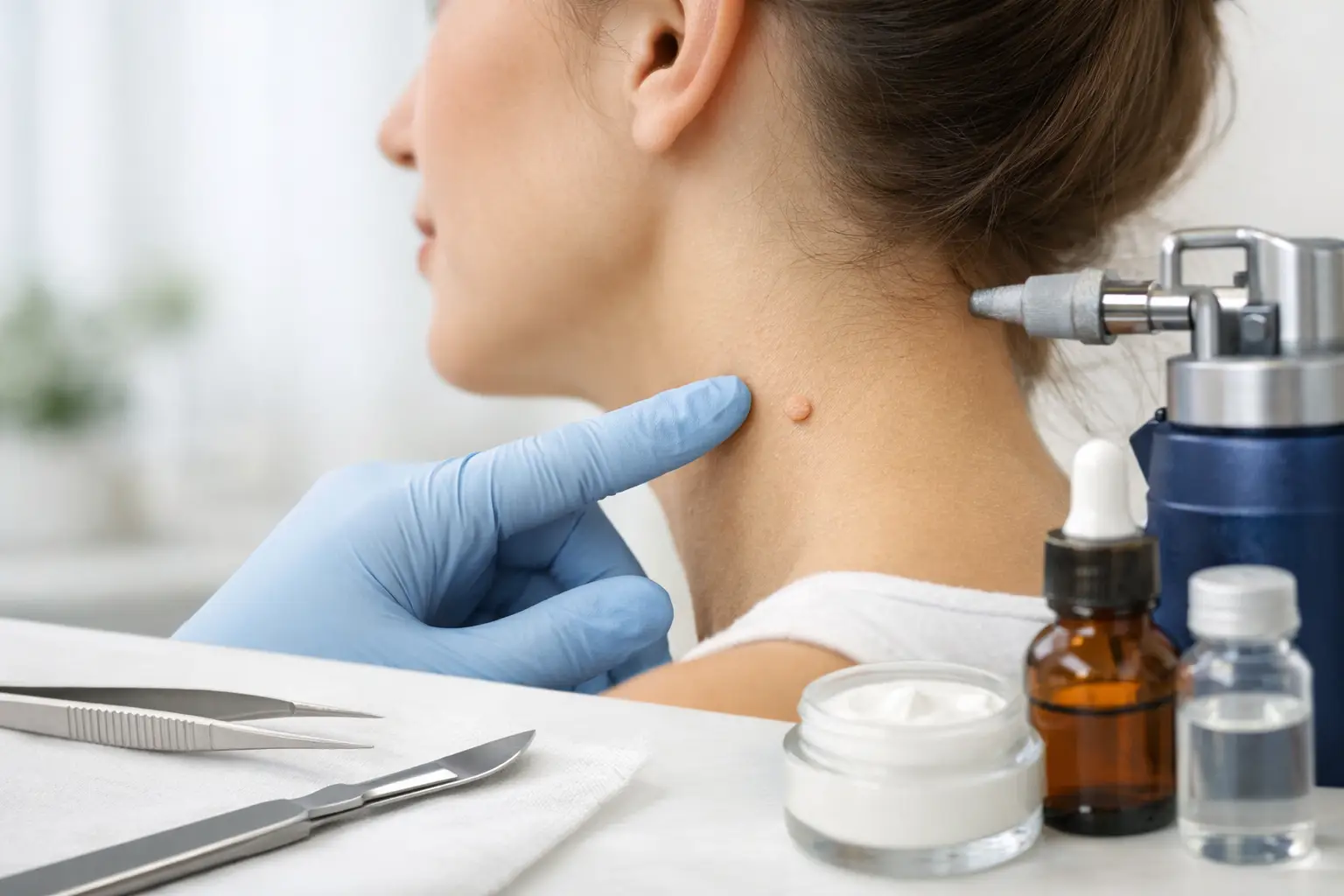
A freshly removed mole can look deceptively small, but the way you treat the area over the next days and weeks has a real effect on comfort, healing and the eventual appearance of the skin. This mole removal aftercare guide sets out the practical steps that usually matter most, alongside the signs that mean you should speak to the clinician who carried out your procedure.
Aftercare always begins with the advice given on the day. The method used to remove a mole, its size, its location and whether stitches were needed all change the recovery plan. Keep your provider’s instructions as your first reference, particularly where they differ from general guidance.
The first 24 to 48 hours: protect the area
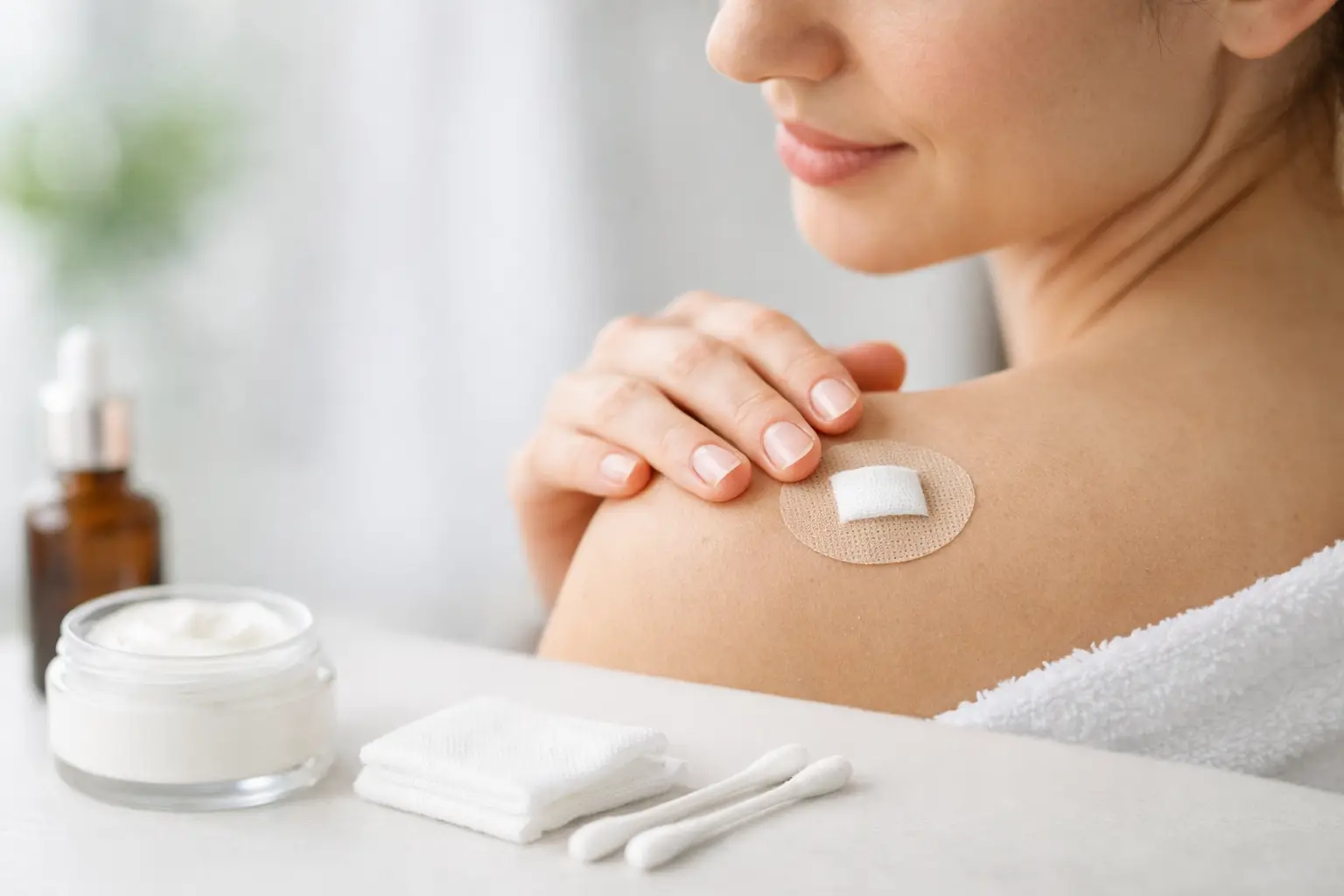
The initial priority is simple: keep the wound clean, covered if advised, and free from unnecessary friction. Leave the first dressing in place for the timeframe your treating clinician gave you. Removing it too early, getting it wet before you have been told it is safe, or repeatedly checking the area can disturb the early stages of repair.
If you have been advised that the dressing can come off, wash your hands thoroughly before touching the area. Clean gently as instructed, usually with water and a mild cleanser around rather than directly into the wound, then pat dry with a clean towel or gauze. Do not scrub, rub or use perfumed skincare, exfoliants, acids or retinoids near the site while it is healing.
A little tenderness, mild swelling, bruising or a small amount of spotting can be expected after some mole removal procedures. A simple painkiller may be appropriate for many people, but follow the recommendation from your clinician or pharmacist, especially if you take regular medication or have been advised to avoid particular products.
Mole removal aftercare guide: keeping healing on track
Healing skin benefits from a calm, consistent routine rather than lots of products. Your clinician may recommend a specific ointment or a dry-healing approach, so avoid adding creams, antiseptics or home remedies unless they have been approved. Products that feel soothing can still irritate a fresh wound or interfere with the dressing.
Try to avoid pulling or stretching the surrounding skin. This matters if the mole was removed from an area that moves frequently, such as the shoulder, chest, back, knee or face. Gentle daily movement is normally fine, but strenuous gym sessions, swimming and activities that create sweat, rubbing or impact may need to wait until your provider says the area is secure enough.
Clothing deserves more thought than most people expect. Choose clean, loose fabrics where possible, particularly if the removal site sits under a waistband, bra strap, collar or shaving area. Constant rubbing can make a healing wound sore and may affect how comfortably it settles.
Do not pick at a scab or peel loose skin. A scab is part of the body’s temporary protection while new skin forms beneath it. Picking can cause bleeding, delay healing and increase the chance of a more noticeable mark. If the area feels itchy as it repairs, resist scratching and ask your clinician what is suitable to use.
If you have stitches
Stitches need slightly different care. Keep the site dry for the period advised, and attend the planned removal appointment if non-dissolvable stitches have been used. Do not attempt to remove stitches yourself.
You may feel tightness around the wound, especially in the first few days. That is often part of normal healing, but avoid movements that put direct tension across the stitches. If a stitch loosens, breaks or the wound edges start to separate, contact the clinician who treated you promptly for advice.
Showering, bathing and swimming
Showering is often possible after the timeframe set by your provider, but keep it brief and avoid a direct high-pressure spray on the site. Pat the area dry rather than rubbing it.
Baths, hot tubs and swimming pools are usually best avoided until the wound has closed and your clinician confirms it is appropriate. Soaking can soften the tissue and increase exposure to bacteria. The timing varies, particularly if stitches are present, so this is one area where personalised instructions matter.
Protect healing skin from the sun
Freshly healing skin is more vulnerable to changes in pigmentation after sun exposure. Once the wound is fully closed and there is no open skin, protect the area daily with a broad-spectrum SPF 30 or higher. Covering the area with clothing is also useful when practical.
This is not only a summer consideration. UV exposure can happen on bright, cloudy days too. Consistent protection gives the skin its best chance to settle evenly as it matures over the coming months.
What is normal, and what needs a call?
It can be reassuring to know that a healing site may look red, raised or darker than expected before it improves. The appearance can change from day to day, and a scar often takes several months to mature. The final result depends on the removal technique, where the mole was located, individual skin healing and how much tension the area experiences.
However, contact your treating clinician without delay if you notice any of the following:
- Increasing redness, warmth, swelling or pain rather than gradual improvement.
- Pus-like discharge, a persistent unpleasant smell or bleeding that does not stop with firm, gentle pressure as instructed.
- A fever, feeling unwell, or red streaking away from the wound.
- The wound opening, stitches coming out early, or a reaction to a dressing or product.
If you are worried at any stage, it is always better to ask. A quick review can provide reassurance or allow your provider to advise on the next step.
Skincare and aesthetic treatments around the area
A healing removal site needs a pause from active skincare. Avoid chemical exfoliation, facial scrubs, strong vitamin A products and other potentially irritating ingredients close to the area until it has healed fully. If the mole was removed from the face, be cautious with make-up too. Applying products over an open or recently treated site can introduce irritation and make cleansing more difficult.
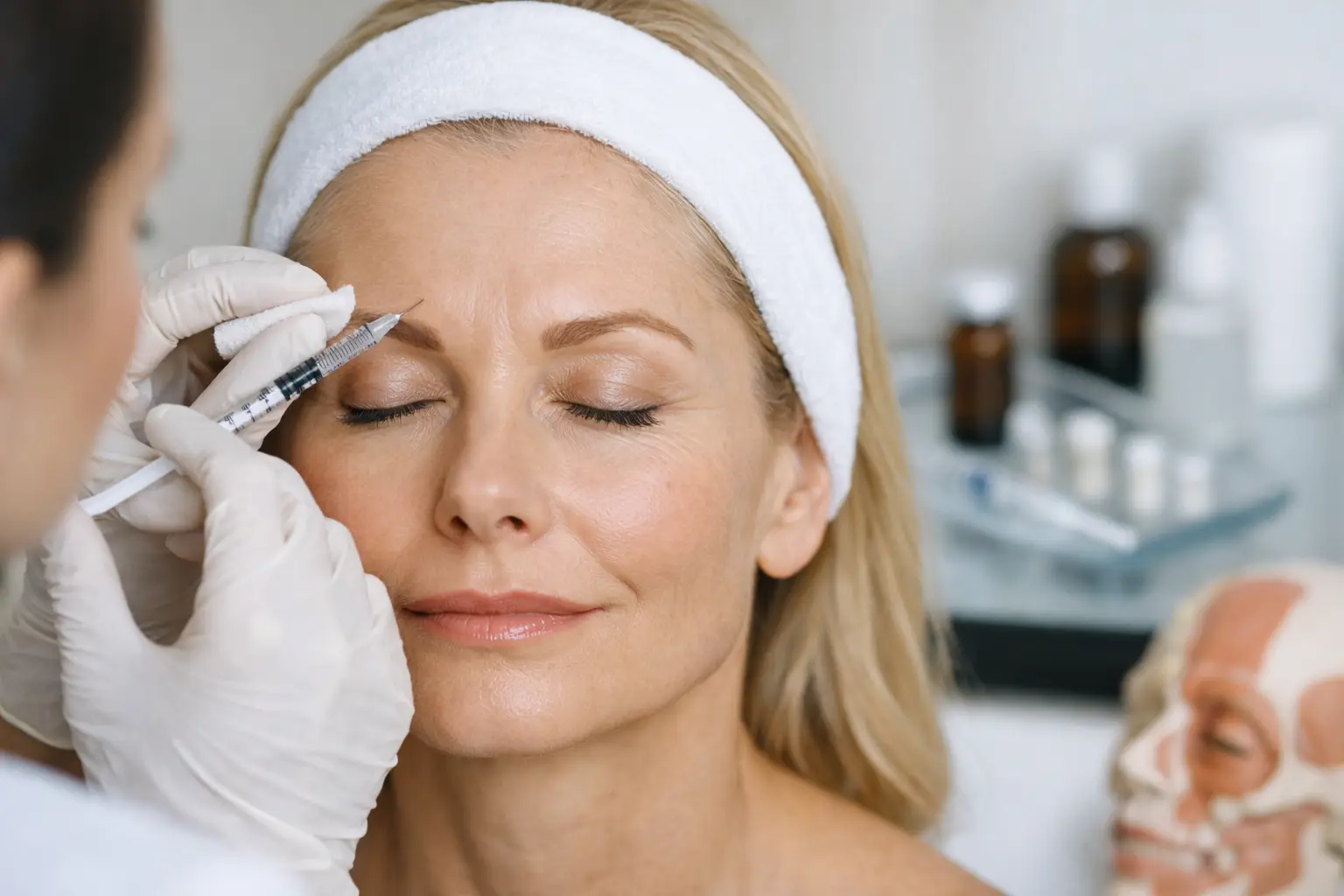
For injectable or skin-rejuvenation appointments, tell your practitioner about the recent removal and show them the area at your consultation. Timing depends on where the treatment is planned and how well the skin has healed. A responsible practitioner will prioritise skin integrity over rushing into another procedure.
At Mr Aesthetics, treatment planning is always shaped around the condition of your skin and the look you want to achieve safely. Allowing a healing area the time it needs supports a polished result when you are ready to return to your wider aesthetic routine.
Caring for the mark after the wound has closed
Once your clinician confirms that the skin has fully closed, you can ask whether scar care is suitable for you. Some people may be advised to use a silicone-based product or gentle moisturisation, while others may simply need time, sun protection and minimal irritation. There is no single aftercare product that suits every removal site or every skin type.
Try not to judge the final appearance too soon. Early scars can be pink, firm or slightly uneven before they gradually soften and fade. Staying patient with healing can be difficult when the area is visible, especially on the face or neck, but the skin continues to remodel long after the first few weeks.
A careful recovery is not about doing more. It is about protecting the area, following the procedure-specific advice you were given and giving your skin room to repair at its own pace.