A shadow beneath the eyes can make you look tired even after a good night’s sleep. Tear trough filler is a carefully placed injectable treatment designed to soften the hollow between the lower eyelid and upper cheek, restoring a smoother, more refreshed-looking transition without changing the character of your face.
For many people, the concern is not simply dark circles. It is the sunken, shadowed appearance that can develop through natural facial ageing, changes in cheek volume, genetics or weight fluctuation. The aim is not to create a puffy under-eye area or erase every line. It is to make the under-eye area look better supported, brighter and more rested while keeping results natural.
What is tear trough filler?
The tear trough is the groove that runs from the inner corner of the eye towards the cheek. When there is less volume in this area, or in the mid-face beneath it, the hollow can catch light and cast a visible shadow. This can create a tired-looking appearance at any age.
Tear trough treatment uses small, measured amounts of hyaluronic acid dermal filler to improve this contour. Hyaluronic acid is a substance that attracts water and is widely used in aesthetic treatments to add hydration and volume. In the under-eye area, the approach must be especially conservative. The skin is thin, the anatomy is complex and a little product can make a meaningful difference.
Depending on your facial structure, a practitioner may recommend supporting the cheek first, treating the tear trough directly, or using a combination of both. This is why a consultation matters. Under-eye hollows are rarely best assessed in isolation from the rest of the face.
Who can benefit from tear trough filler?
This treatment can suit adults who have a noticeable hollow or indentation beneath the eyes and would like a less fatigued appearance. It is often chosen by people who feel that concealer settles into the area or that photographs make their under-eyes appear darker than they do in the mirror.
The most satisfying results are often seen when the issue is genuinely volume loss or a structural hollow. A carefully planned treatment can soften the contrast between the lower eyelid and cheek, helping light reflect more evenly across the area.
However, tear trough filler is not the right answer for every under-eye concern. If fullness, prominent bags, significant skin laxity, fluid retention or pigmentation are the main issue, filler may not provide the improvement you are hoping for and could make the area look heavier. A responsible consultation should include an honest discussion of what is realistically treatable, as well as whether another approach or no treatment is the best decision.
What happens during the appointment?
Your appointment begins with a detailed assessment of your under-eye area, cheek support, skin quality and overall facial balance. You should be asked about your medical history, previous aesthetic treatments, allergies and the result you would like to achieve. Bring up any previous under-eye filler, especially if you are unsure which product was used or when it was placed.
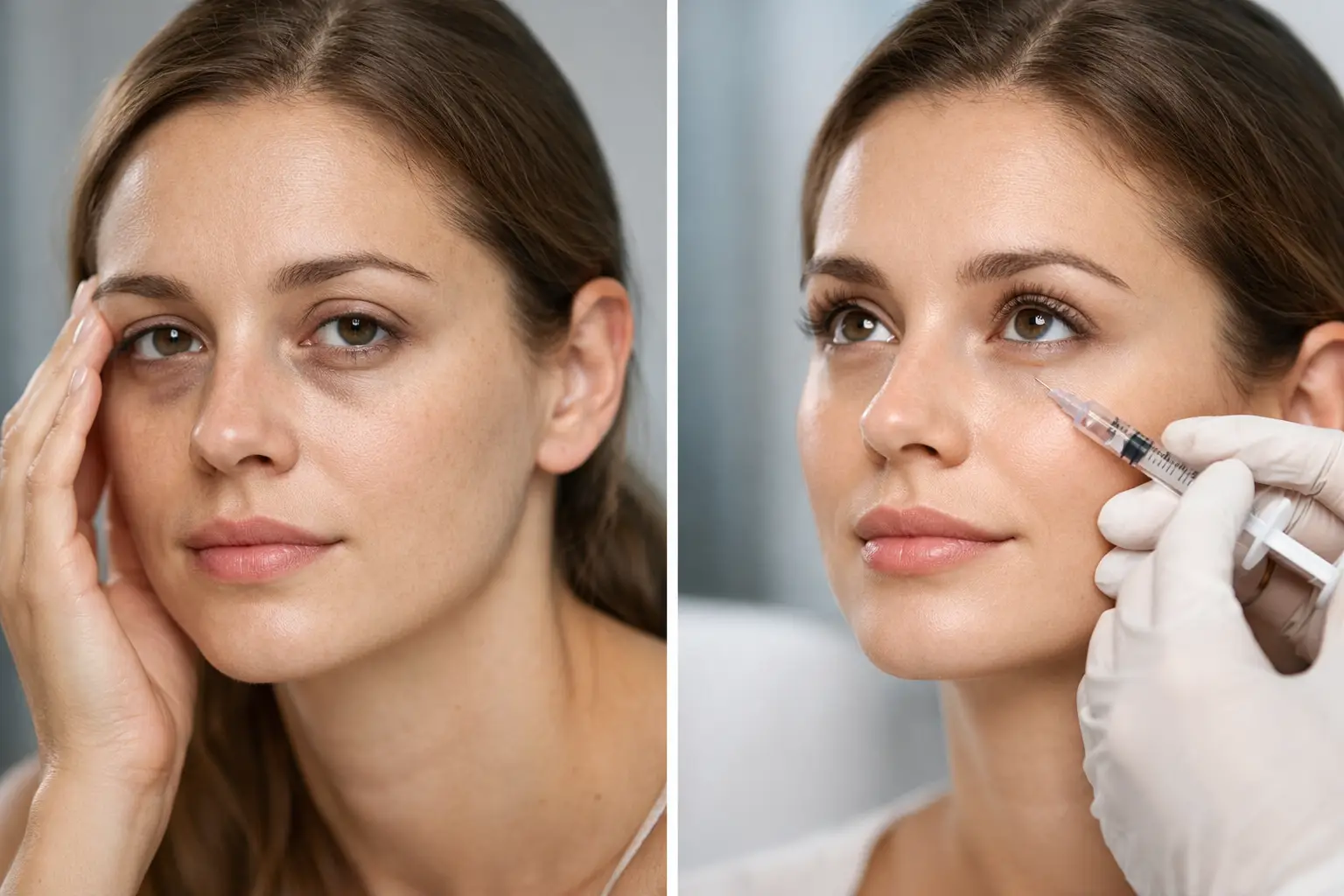
Photographs may be taken before treatment so that your outcome can be assessed properly. The treatment area is then cleansed, and a topical numbing product may be used where appropriate. Tear trough filler can be placed with a fine needle or a cannula, a flexible blunt-tipped instrument used to place filler through a small entry point. The technique selected depends on the treatment plan and your anatomy.
The injection itself is usually relatively quick, but this is not a treatment that should be rushed. Your practitioner may sit you upright during the appointment to check symmetry and how the area looks in natural facial movement. Small amounts are introduced gradually, with the focus on precision rather than volume.
You can usually return to normal daily activities afterwards, although it is sensible to keep plans low-key for the rest of the day. Most people experience minimal downtime, but allow time before an important event in case you have swelling or bruising.
Results: subtle improvement, not an overfilled look
A successful tear trough result should look like you, only more rested. The aim is a softened hollow and a smoother connection between the eye and cheek, not a dramatically filled under-eye area. You may notice an initial improvement straight away, though mild swelling can temporarily affect how the area appears.
Results vary according to the product used, your metabolism, the amount placed and your individual anatomy. Hyaluronic acid filler does not last forever. Some clients enjoy results for many months, while others may need a review sooner or may be advised to wait longer before considering further treatment. Reassessment is more valuable than automatically topping up, particularly in a delicate area where too much product can compromise a refined result.
It is also worth remembering that filler cannot change every cause of under-eye darkness. It can improve a shadow caused by a hollow, but it may not fully alter skin tone, visible blood vessels or the natural colour of the under-eye skin. Clear expectations are part of good aesthetic care.
Safety and aftercare matter
Tear trough filler is an advanced facial filler treatment and should only be performed following a thorough, in-person assessment by a suitably qualified and experienced practitioner. The under-eye region contains important blood vessels and requires detailed anatomical knowledge, sound technique and a cautious approach.
Temporary tenderness, redness, swelling and bruising can happen after injections. These effects are usually mild, but each person heals differently. Sleeping with your head slightly elevated on the first night, avoiding strenuous exercise, alcohol and excessive heat for the period advised by your practitioner, and not pressing or massaging the area unless instructed can help minimise unnecessary irritation.
You should receive clear aftercare guidance and know how to contact the clinic if you have concerns. Seek urgent medical advice immediately if you experience severe or increasing pain, marked skin colour change, unusual visual symptoms, or any symptom that feels alarming after treatment. These are uncommon but need prompt assessment.
The product choice matters too. High-quality hyaluronic acid fillers, including established brands such as Juvéderm and Restylane where clinically appropriate, are selected according to the treatment area and desired effect. The right filler is not necessarily the firmest or the longest-lasting one. In the tear trough, product behaviour, placement depth and restraint all influence the final appearance.
Questions to ask before booking
Feeling confident about your treatment starts with asking direct questions. Find out whether your concern is likely to respond well to filler, what technique is proposed and why, what the likely temporary side effects are, and when you can expect to see the settled result. You can also ask about the practitioner’s approach to under-eye assessment and what support is available after your appointment.
Be wary of a one-size-fits-all amount of filler or promises to remove dark circles completely. Facial rejuvenation works best when it is tailored. For one person, a small amount of tear trough filler may be appropriate. For another, supporting the cheeks first may create the fresher, more balanced result they want. For someone else, filler may not be advised at all.
At Mr Aesthetics in Leigh, consultation is the place to discuss these details openly, including your aesthetic goals, previous treatment history and whether under-eye filler suits your face. A considered plan protects the result as much as the procedure itself.
Your under-eyes should not be judged against filtered images or someone else’s before-and-after photograph. The right treatment plan is the one that respects your natural features, gives you clear information and helps you feel comfortable in your own reflection.