A profile concern does not always call for an operation. Non-surgical rhinoplasty uses carefully placed dermal filler to create a smoother, more balanced-looking nose – often in one appointment, with no surgical incisions and little disruption to your routine. It can be a confidence-building option for women and men who want refinement without committing to surgery, but it is not a one-size-fits-all treatment.
The best results are not about making a nose look dramatically different. They are about improving harmony between the nose, lips, cheeks, chin and jawline, while keeping your own features recognisable.
What is non-surgical rhinoplasty?
Non-surgical rhinoplasty, sometimes called a liquid nose job, is an injectable treatment that uses hyaluronic acid dermal filler to alter the appearance of the nose. Hyaluronic acid is a gel-like substance that attracts water and can add precise volume beneath the skin.
Rather than removing tissue or making the nose physically smaller, filler is used strategically to smooth irregularities, lift a drooping tip or improve the look of a shallow bridge. A small amount of volume in the right place can change the way light falls across the nose and make the overall profile appear straighter and more proportioned.
This is why the treatment can be highly effective for some concerns but unsuitable for others. It is a contouring procedure, not a surgical reduction procedure.
What can nose filler improve?
A personalised treatment plan may help to soften the appearance of a dorsal hump, disguise a mild dip in the bridge, improve the symmetry of the nose or create a more defined profile. It can also give the appearance of a slightly raised nasal tip when this is appropriate for your facial proportions.
For many clients, the appeal is subtle polish. From the front, the aim may be to bring better balance to a small asymmetry. From the side, it may be to create a cleaner line from the forehead to the tip. The change can look striking in photographs, yet still feel natural when it has been planned carefully.
Non-surgical rhinoplasty cannot reduce a large nose, narrow the nostrils, correct a significant bend in the nasal structure or solve breathing difficulties. If your goal is to make the nose smaller or address nasal function, a surgical consultation is likely to be the more suitable route.
Why consultation and facial assessment matter
The nose sits at the centre of the face, so even a small adjustment affects the whole facial balance. A good consultation looks beyond the nose alone. Your practitioner should assess your facial proportions, skin thickness, existing asymmetry, previous filler history and the result you hope to achieve.
Honest expectations are part of safe, satisfying aesthetic care. Some noses are better suited to refinement with filler than others, particularly where there is already a lot of volume in the nose or where a pronounced hump would require too much product to disguise effectively. Adding filler to a nose that already feels prominent may not deliver the look you want.
Your medical history matters too. Tell your practitioner about allergies, previous nasal surgery or trauma, autoimmune conditions, medications, active skin infections and any past aesthetic treatments. If you have had permanent filler or are unsure what was injected previously, this must be discussed before any treatment is considered.
At Mr Aesthetics, the consultation should be a space to talk openly about the result you would love, as well as what can be achieved safely and proportionately.
What happens during the treatment?
After your assessment, the skin is cleansed and clinical photographs may be taken for planning and comparison. A topical numbing cream can be used where appropriate, although many modern hyaluronic acid fillers also contain local anaesthetic.
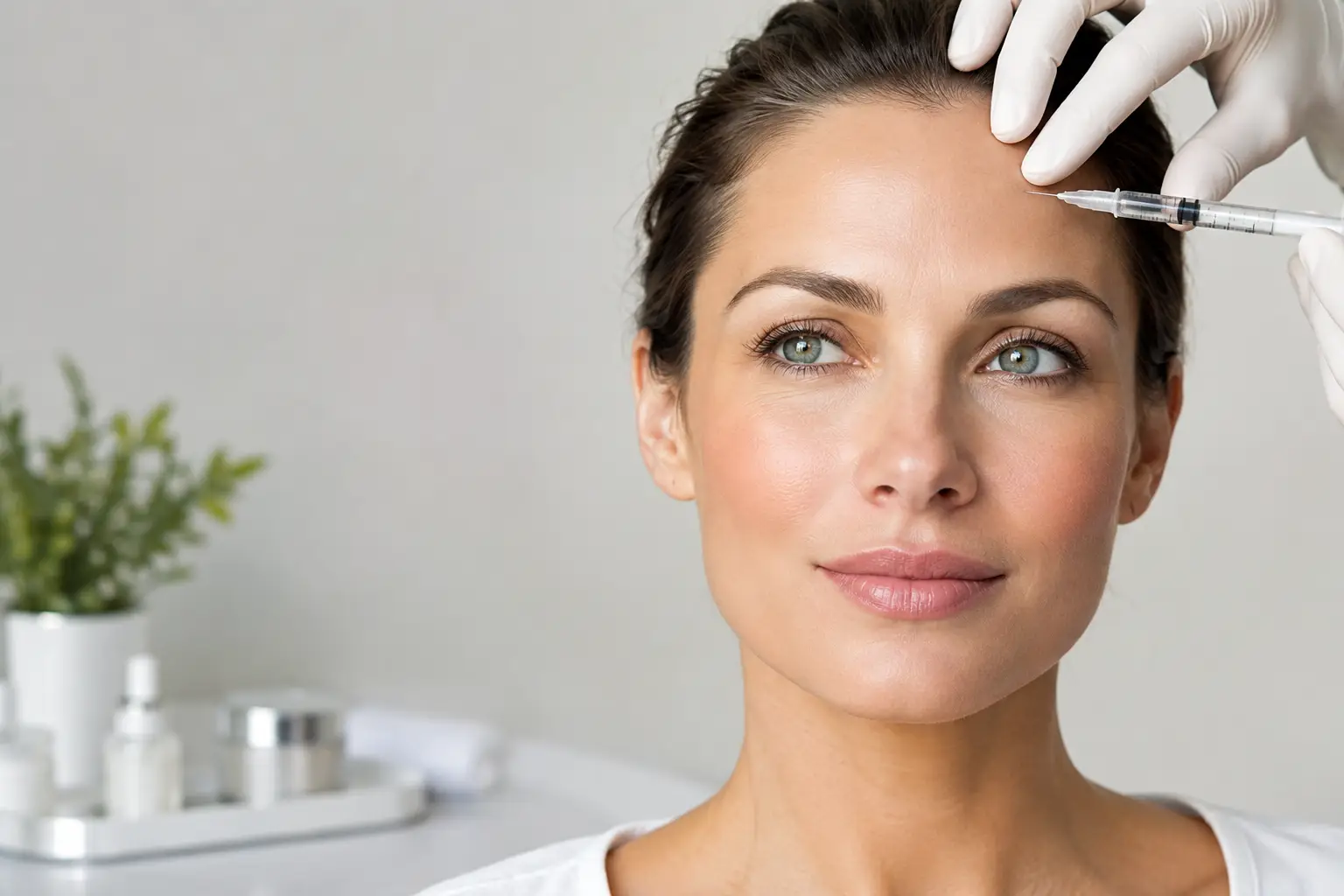
The filler is placed in very small, controlled amounts using an appropriate injection technique. Your practitioner may pause to assess the shape from different angles before deciding whether more product is needed. This measured approach is essential. Overfilling can make the nose look heavy and may create an unnatural result.
Most appointments are relatively quick, although the time should never be rushed. You may see an immediate change, but early swelling can temporarily affect the appearance. It is sensible to allow the nose to settle before judging the final outcome.
Is non-surgical rhinoplasty safe?
All injectable treatments carry risk, and the nose is a high-risk area for dermal filler because of its complex blood supply. Non-surgical rhinoplasty should only be performed by a properly trained, experienced medical aesthetics practitioner who understands facial anatomy, uses appropriate products and has a clear emergency protocol.
Common short-term effects include redness, tenderness, swelling and bruising around the injection points. These usually settle over several days, though bruising can occasionally last longer. Avoid pressing, massaging or wearing heavy glasses on the area unless you have been specifically advised otherwise.
Rare complications can be serious. These include infection, filler migration, skin damage and vascular occlusion, where filler affects blood flow. Severe or increasing pain, unusual blanching or mottled discolouration of the skin, a cold sensation, visual disturbance or worsening swelling require urgent medical assessment. Do not wait for a routine follow-up if you experience these symptoms.
One advantage of using hyaluronic acid filler is that it can often be dissolved with hyaluronidase if clinically necessary. This does not make the procedure risk-free, but it is an important safety consideration when selecting a filler treatment.
How long do results last?
Results vary between individuals. The type and amount of filler used, your metabolism, your skin and the area treated all influence longevity. Many people enjoy their result for around 12 to 18 months, although some may need a review sooner and others may find the result lasts longer.
A maintenance appointment should be based on assessment rather than a fixed schedule. The aim is to preserve a balanced shape, not to repeatedly add volume without considering what is already present. If you are returning after previous treatment, your practitioner should review your nose carefully before recommending a top-up.
Preparing for treatment and aftercare
Arrive with clean skin where possible and make sure you have allowed enough time for your consultation. If you are prone to bruising, ask in advance about sensible preparation. Do not stop prescribed medication without medical advice.
Following treatment, keep the area clean and avoid touching it unnecessarily. For the first 24 to 48 hours, it is usually wise to avoid intense exercise, alcohol, excessive heat, saunas and steam rooms, as these can increase redness and swelling. Sleeping on your back for the first night may help you avoid pressure on the nose.
Make-up should only be applied when your practitioner has confirmed that it is appropriate. If you have an important event, arrange your appointment with enough time for any bruising or swelling to settle. A week or two of breathing room is far more comfortable than booking the day before a wedding, holiday or professional photoshoot.
Is it the right choice for you?
Non-surgical rhinoplasty can suit people who want a non-permanent way to test a refined profile, smooth a minor contour concern or improve balance without surgical downtime. It may also appeal if you want results quickly and understand that maintenance will be needed over time.
It may not be right for you if your main priority is reduction, major structural correction or improved breathing. It is also worth postponing treatment if you are pregnant or breastfeeding, have an active infection or are feeling pressured to make a change for someone else.
The most flattering result is rarely the most obvious one. Choose a practitioner who will assess your face as a whole, explain the limits as clearly as the benefits, and put your safety before a quick transformation. When the plan is right, a small refinement can help you feel more like your own kind of beautiful.