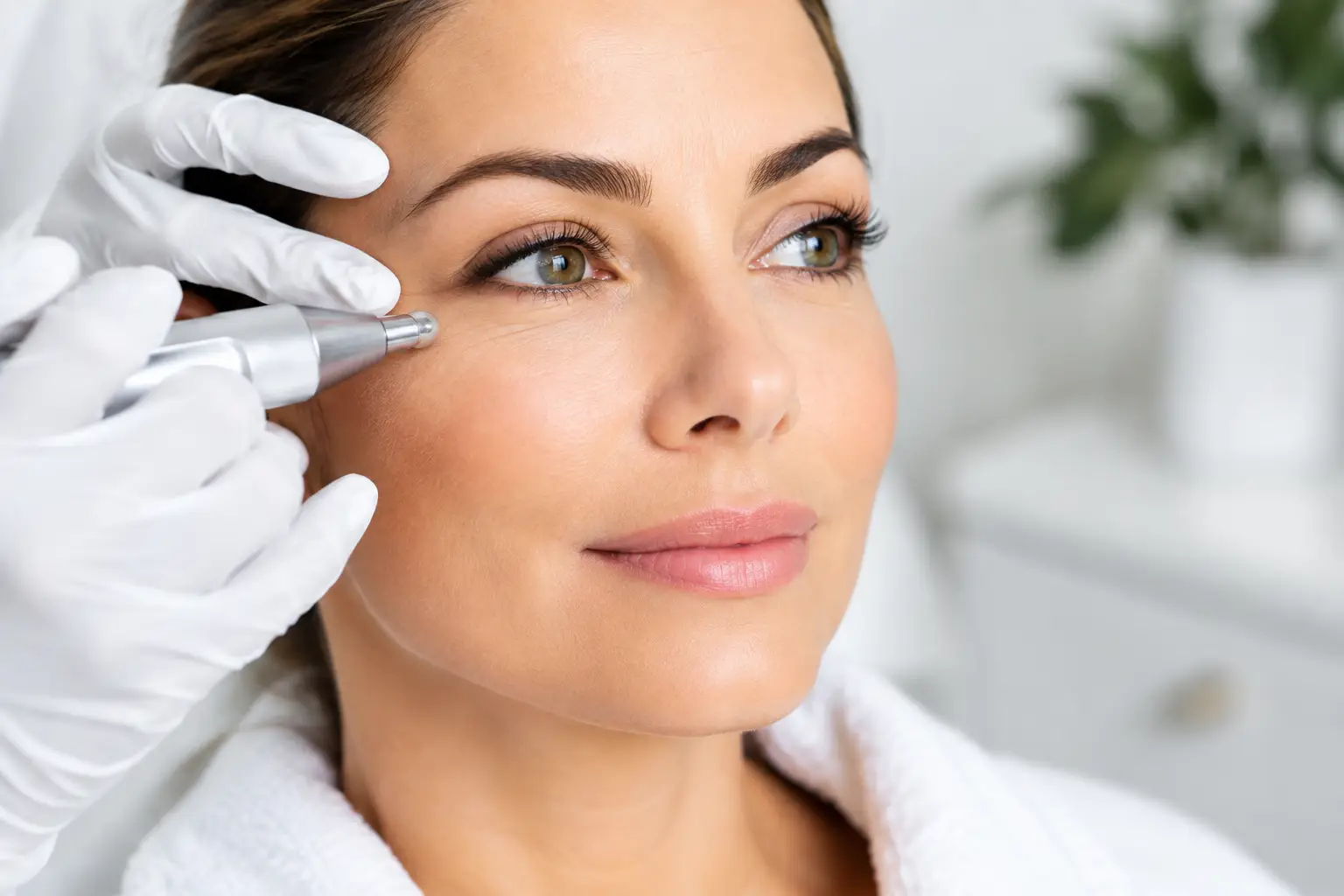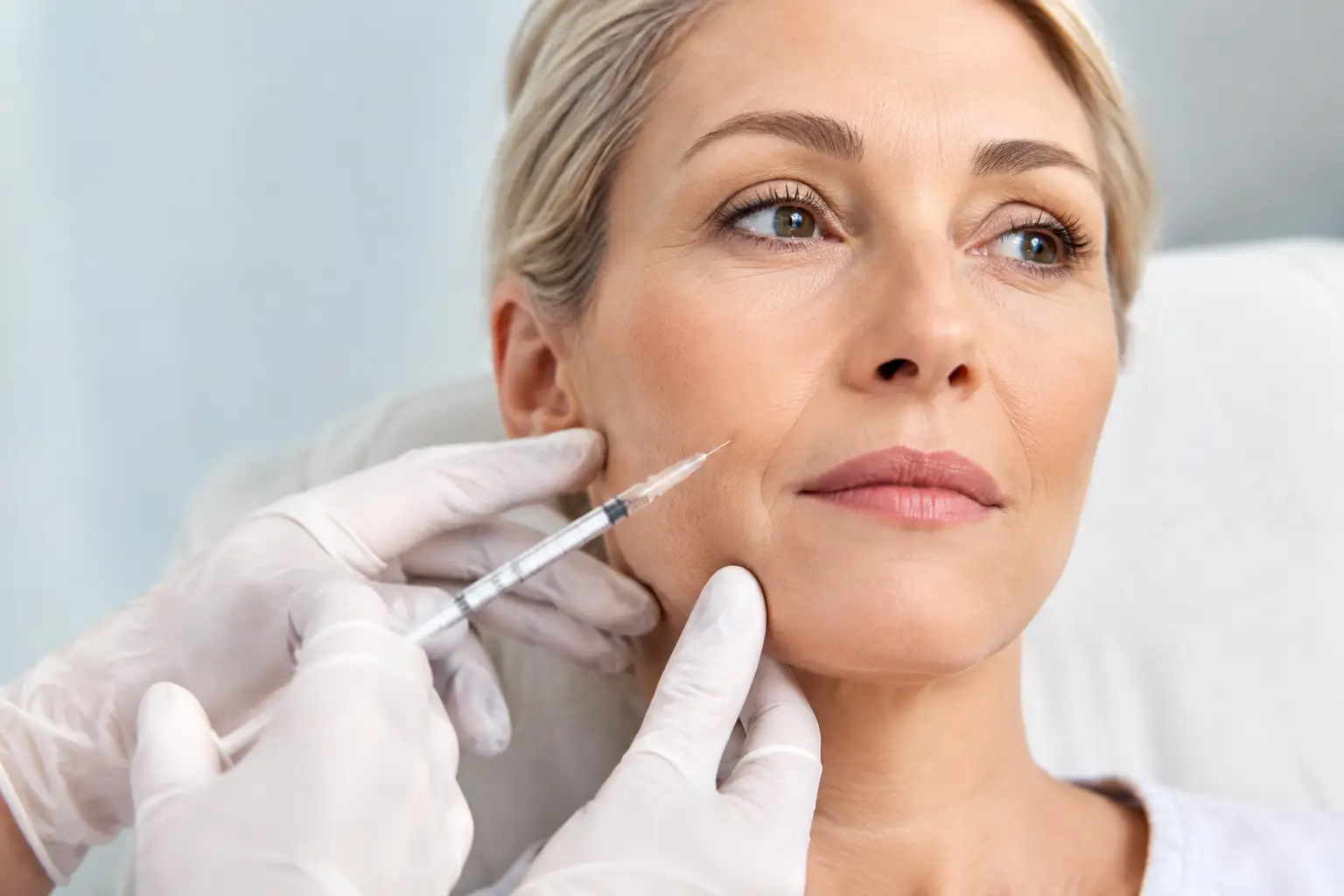
A small raised area of skin can feel surprisingly visible when it is on your hand, face or another exposed area. If you are considering wart removal, it is understandable to want a clear answer: what can be treated, how the skin may look afterwards, and whether removal is the right step for you. The safest starting point is always a professional assessment rather than trying to pick, cut or aggressively treat an area at home.
Warts can vary in size, texture and location, and not every raised lesion should be assumed to be a wart. A considered consultation helps establish whether removal is appropriate and gives you realistic expectations for the healing period, the likelihood of temporary skin changes and the result that may be achievable.
Why a professional assessment matters
The goal is not simply to remove something quickly. It is to treat the correct concern while protecting the surrounding skin and preserving the smoothest possible appearance. This is particularly relevant for areas that are highly visible, frequently shaved, exposed to friction or prone to pigmentation changes.
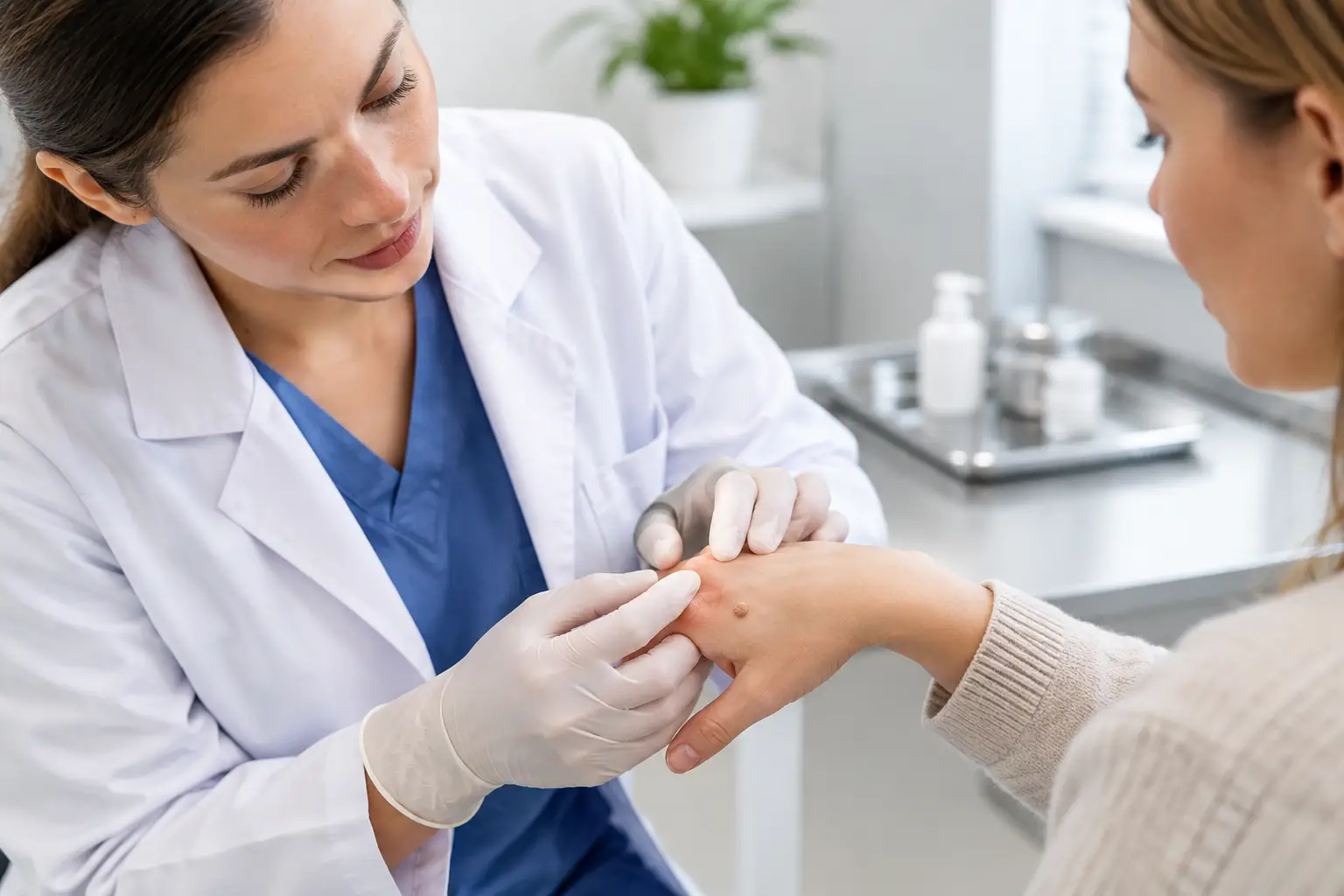
During an assessment, a qualified practitioner should look at the area, ask how long it has been present and discuss any changes you have noticed. If a lesion looks unusual, has changed noticeably, bleeds, feels painful or you are unsure what it is, it should be assessed through the appropriate medical route before any cosmetic procedure is considered.
This approach may feel less immediate than buying an at-home product, but it avoids treating the wrong area or causing unnecessary irritation. Good aesthetic care is measured, not rushed.
What wart removal can involve
Professional wart removal is tailored to the individual lesion, its position and the condition of the surrounding skin. The right approach can depend on whether the area is flat or raised, isolated or clustered, and whether you have previously treated it without success.
A practitioner should explain what the chosen approach is designed to do, how the appointment feels, and what happens over the following days or weeks. Some lesions require more than one appointment, especially where they are persistent or where the practitioner needs to take a conservative approach in a delicate area. One session is not a promise of a final result for every person.
The treatment itself is only one part of the process. Your skin’s response, your ability to follow aftercare and the location of the lesion all influence how the area settles. Hands and feet, for example, can experience daily pressure and friction, while facial skin may need extra attention to sun protection while it recovers.
A cosmetic result needs patience
It is natural to focus on the visible result, particularly if a wart is affecting your confidence. However, the skin may look temporarily red, dry, crusted or darker or lighter than the surrounding area as it heals. This does not automatically mean something has gone wrong. It means the skin is moving through its normal repair process.
Trying to speed that process by rubbing, peeling or covering the area with unsuitable products can increase irritation and affect the final appearance. A polished result is often supported by leaving the treated skin alone and allowing time for recovery.
What to expect after treatment
Aftercare instructions should always be specific to your treatment and skin type, so follow the guidance given by your practitioner. In general, the area should be kept clean and protected from friction. Avoid picking at any dry or healing skin, even if it is tempting.
Sun exposure deserves special attention when the treated area is uncovered. Freshly healing skin can be more vulnerable to uneven pigmentation, so sensible sun protection is an important part of maintaining an even-looking result. If the area is on the face, your usual skincare routine may also need to be simplified temporarily to avoid unnecessary sensitivity.
You should be told what is expected during healing and when to seek further advice. Clear communication is a sign of a responsible treatment experience. A reputable practitioner will not make promises that every lesion can be removed in one visit or that the skin will look perfect immediately afterwards.
When not to treat an area yourself
At-home wart products may seem convenient, but they are not suitable for every location or every skin concern. Using strong solutions on delicate facial skin, close to the eyes, on broken skin or on an area you have not had assessed can create avoidable damage.
Avoid cutting, burning, filing or attempting to remove a raised area yourself. These methods can lead to soreness, scarring and infection, while also making the area harder to assess accurately later. Covering an irritated lesion with heavy make-up or repeatedly shaving over it may also prolong irritation.
If you have a lesion that is changing, repeatedly catching, bleeding or causing concern, pause the search for a quick cosmetic fix and arrange the appropriate assessment. Confidence comes from knowing you are making an informed choice, not from taking unnecessary risks.
Choosing a practitioner for wart removal
If you are researching wart removal in Leigh, Wigan or the wider Greater Manchester area, look beyond convenience alone. Ask whether the practitioner will assess the area before recommending treatment, explain expected downtime, and give written aftercare that makes sense for your lifestyle.
A good consultation should feel calm and direct. You should understand the likely benefits, the limitations, any temporary visible effects and whether a different route is more suitable for you. There is no need to feel pressured into treatment on the day if you want time to consider your options.
It is also worth discussing your wider skin goals. Sometimes people seeking wart removal are equally concerned about texture, uneven tone or a tired-looking complexion around the area. These are separate concerns and should be approached separately, with a personalised plan that respects the skin’s healing timeline.
Looking after confidence as well as skin
Visible skin concerns can make you more conscious in photographs, meetings and everyday conversations. That feeling is valid. Yet the best aesthetic decisions are grounded in realistic expectations: removal may involve healing time, follow-up may be needed, and the final result depends on how your own skin responds.
At Mr Aesthetics, the same principle behind every personalised aesthetic conversation applies here too: your treatment choices should support you in feeling comfortable, informed and confident. Never let the desire for an instant fix outweigh safe assessment and careful aftercare.
Give your skin the respect it deserves. A thoughtful consultation, realistic expectations and patient healing offer a far better route to a refined-looking result than a rushed attempt at home.