A mole can feel like a small detail until it sits where you see it every day – along the jawline, near the lip, on the neckline or where clothing catches it. Mole removal cost is understandably one of the first questions people ask, but a safe answer is never just a number. The right procedure, practitioner and setting depend on the mole itself, its location and whether it needs medical assessment before removal is considered.
For a mark that concerns you, the priority is not finding the lowest advertised price. It is arranging an appropriate professional assessment so you understand what is being removed, why it is suitable for treatment and what result is realistic for your skin.
Why mole removal cost varies
There is no single private price for mole removal because the word mole covers a wide range of sizes, shapes, positions and removal requirements. A small, raised mole in an easily accessible area may be approached differently from a larger or flatter mole, or one positioned close to the eye, lip, hairline or another delicate feature.
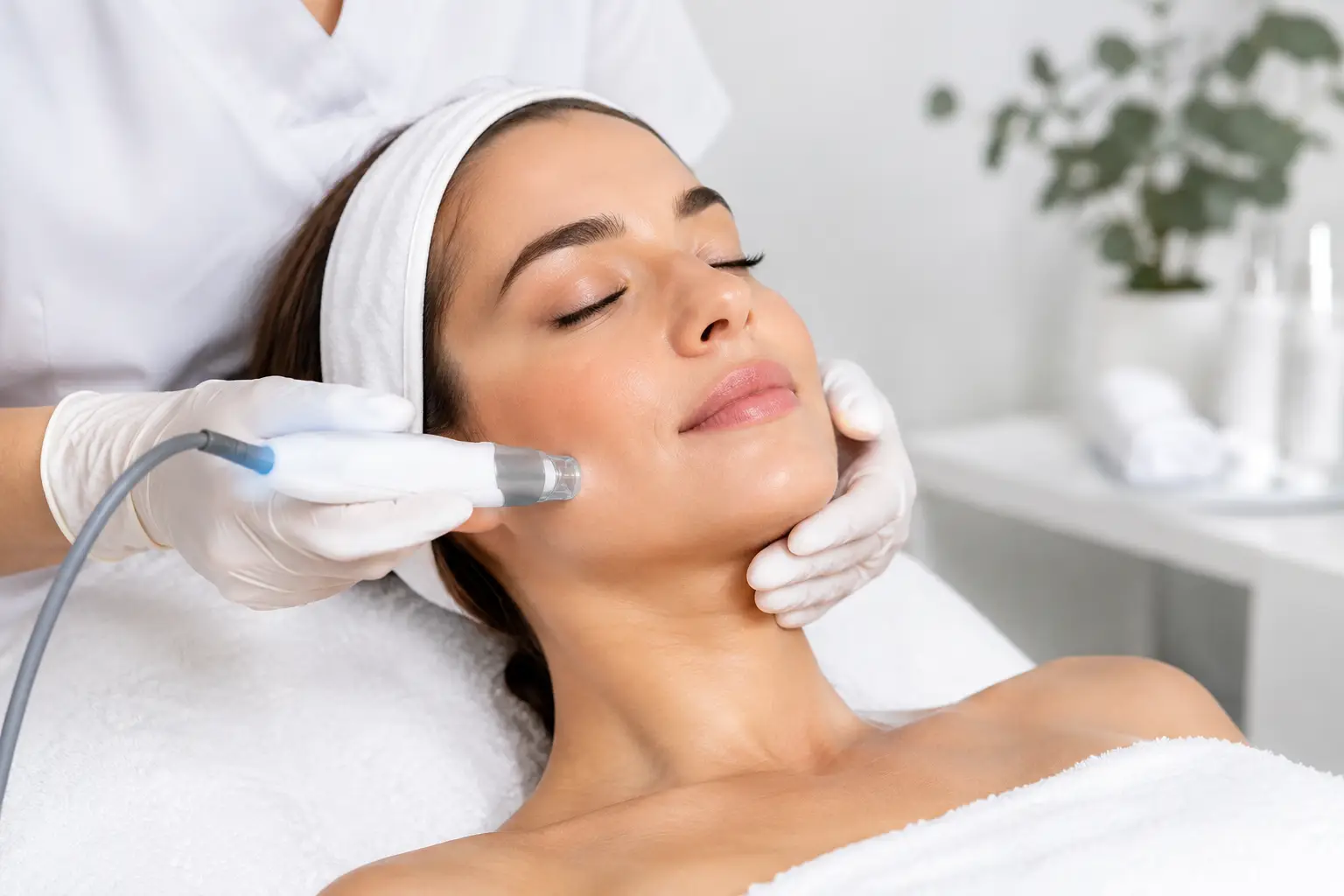
The removal method has a major effect on the quote. Clinics may offer different approaches, including surgical removal, but each method has its own healing pattern and potential risks. At Mr Aesthetics, I use plasma fibroblast for suitable, benign-looking raised moles following an individual assessment. The treatment applies controlled plasma energy to the surface of the lesion without cutting or stitches. It can offer a precise, minimally invasive option with limited disruption to the surrounding skin, although healing varies and no treatment can promise completely mark-free or scar-free skin.
The practitioner’s training and the clinical environment matter too. Proper assessment, infection-control standards, clear aftercare and a plan for follow-up all form part of responsible treatment. A very low headline price can be misleading if it does not make clear what is included before and after the procedure.
What should be included in a quote?
Before agreeing to private treatment, ask for a written, itemised explanation of the cost. It should be clear whether the price covers the initial consultation, the procedure and the aftercare, rather than presenting one attractive figure that later grows through additional fees.
A clear quote may include:
- a clinical consultation and suitability assessment
- the selected removal procedure and local anaesthetic where required
- any laboratory examination that a clinician considers appropriate
- follow-up and aftercare advice for the treated area
Not every person needs every element, which is exactly why an individual consultation matters. If laboratory analysis is recommended, this can add to the overall price, but it provides a clinically appropriate route for examining removed tissue when needed. Ask why it has or has not been advised for your individual case.
Cosmetic removal versus medical assessment
Many people enquire about removal because they dislike how a mole looks in photographs, feel it interrupts a smooth make-up finish or find it catches while shaving or dressing. These are valid personal reasons to seek advice. However, a mole should not be treated as a routine beauty concern until a suitable clinician has assessed it.
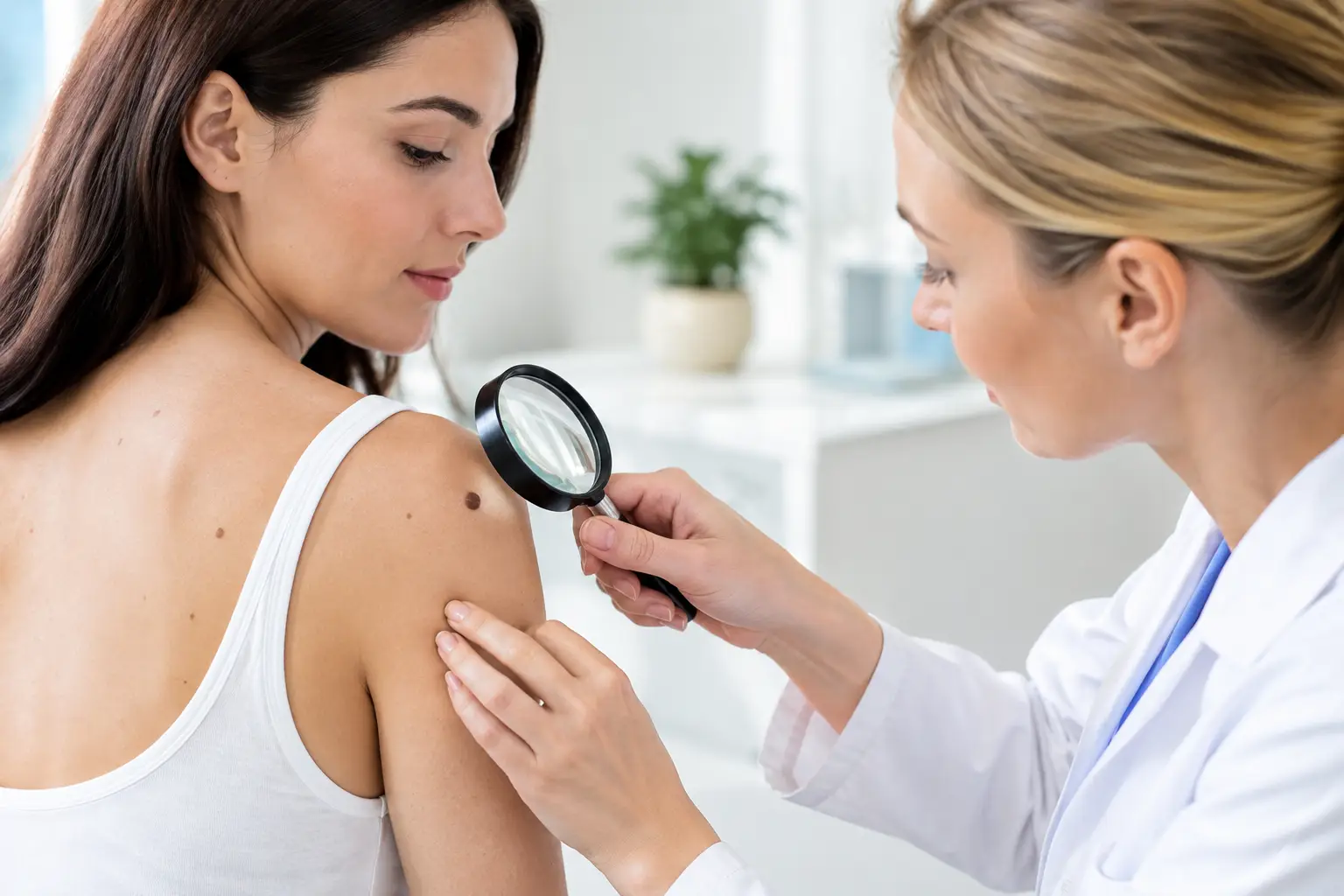
If you have noticed a mole changing in size, shape, colour or sensation, or it has started bleeding or crusting, seek advice from your GP or an appropriately qualified skin professional promptly. This article cannot determine what any mark is, and an aesthetics consultation is not a substitute for medical assessment of a changing lesion.
Where removal is solely cosmetic, it is commonly arranged privately. If a clinician believes assessment or treatment is medically necessary, routes and eligibility can differ. NHS treatment is based on clinical need rather than cosmetic preference, and the process may vary locally. It is best not to assume that either a private quote or NHS care will apply until you have received individual advice.
The part of cost people often overlook: the scar
When people focus only on mole removal cost, they can miss the most lasting consideration – the quality of healing. Any procedure that removes tissue can leave a mark. How visible that mark becomes depends on the removal technique, the site on the body, your skin’s own healing response and how carefully aftercare is followed.
A responsible practitioner will talk honestly about this before treatment. Removing a mole may make an area look neater or less prominent, but it does not mean skin will look untouched afterwards. For some clients, especially when a mole is on a highly visible part of the face, taking time to understand this trade-off is more valuable than booking the quickest available appointment.
Aftercare can influence how comfortably the area heals. You may be advised to keep the site clean, avoid picking or friction, protect healing skin from sun exposure and attend follow-up if requested. Your clinician should give you specific instructions based on the procedure used. Do not use at-home acids, devices, cutting tools or other DIY methods to remove a mole. They can cause injury, infection, unnecessary scarring and delay appropriate assessment.
Questions to ask before you book
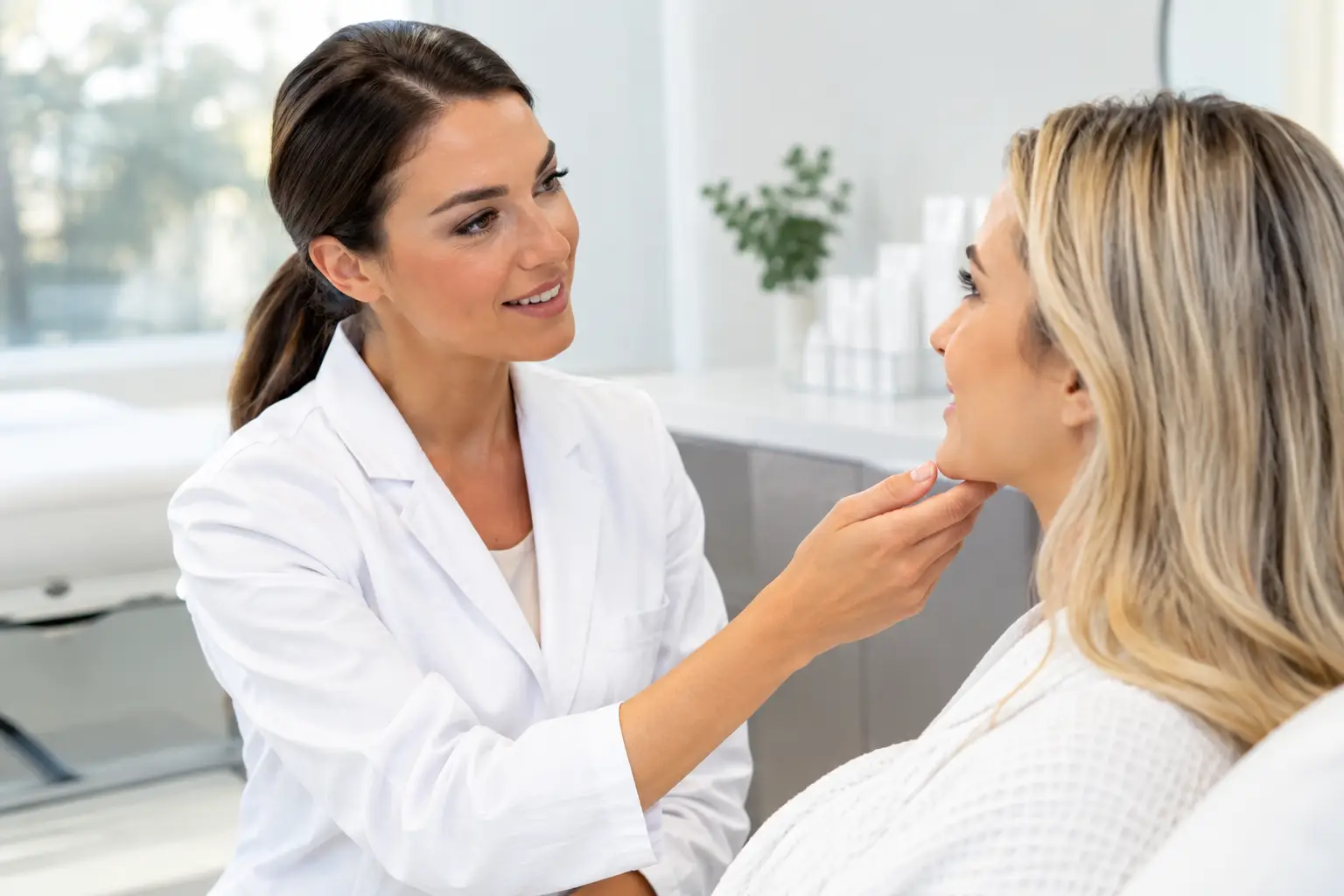
The most useful consultation feels unhurried and specific. At Mr Aesthetics, the proposed cosmetic method for a suitable lesion is plasma fibroblast. You should leave knowing why it is appropriate and what the healing period may involve. Ask whether the practitioner considers the lesion suitable for cosmetic removal, what kind of scar is possible, how long the appointment will take and whether you will need to limit exercise, swimming, make-up or shaving while the skin settles.
It is also sensible to ask who will carry out the procedure, what relevant qualifications and experience they have, and what happens if you have concerns during healing. If the answer is vague, or you feel pressured to commit on the day, pause. A professional service should make room for informed decision-making.
Photographs can sometimes help a clinician monitor the site or plan treatment, but they do not replace an in-person assessment when one is needed. Be honest about previous scars, skin sensitivities, medications and any history that may affect healing. These details help a clinician advise you safely and accurately.
Choosing value over the cheapest appointment
Value is not simply the lowest mole removal cost. It is confidence that the mark has been assessed correctly, the procedure matches the finding, the expected result has been explained realistically and support is available afterwards. This is particularly relevant for facial areas, where a carefully considered approach can matter more than saving a small amount at the booking stage.
For people in Leigh, Wigan and the wider Greater Manchester area, choosing a local provider may make review appointments and aftercare more convenient. Convenience should still come after clinical suitability. A nearby appointment is only worthwhile if the practitioner can offer the correct assessment and pathway for your concern.
If your aim is to feel more confident in your skin, begin with a proper conversation rather than a price comparison alone. The best next step is an assessment that protects your health, respects your aesthetic goals and gives you a clear, honest cost before any decision is made.