A skin tag can be tiny, but that does not make it any less irritating when it catches on a necklace, bra strap, shirt collar or razor. If you are wondering, “how are skin tags removed?”, the safest answer is with an individual assessment first, followed by a carefully selected clinical method. The aim is straightforward: remove the unwanted growth as comfortably as possible while protecting the surrounding skin and supporting a neat healing process.
Why a professional assessment comes first
Skin tags are soft, flesh-coloured or slightly darker growths that commonly develop where skin rubs together, such as the neck, underarms, eyelids, groin and beneath the breasts. Although many people choose removal because they dislike how they look or because the area is repeatedly irritated, not every raised mark should be treated as a skin tag without being checked first.
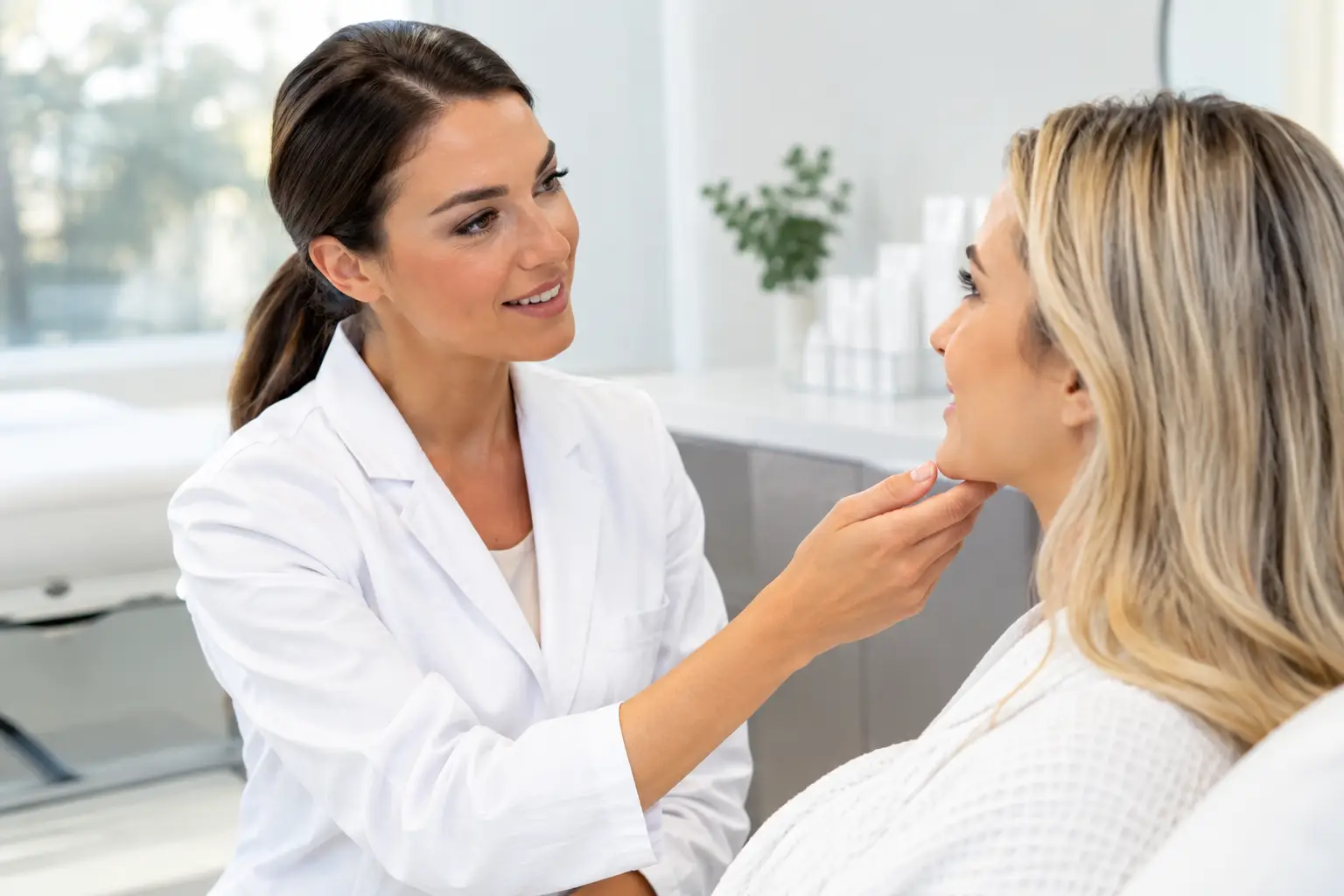
A qualified practitioner should assess the area, its size, location, colour and texture before recommending removal. This is particularly valuable on delicate skin, including around the eyes, where precision matters. If a mark is new, changing, painful, bleeding, unusually dark or has an irregular appearance, it should be assessed through the appropriate medical route before any cosmetic treatment is considered.
Professional assessment is also where expectations become clear. Removal is designed to address the individual tag being treated, not prevent future tags from appearing elsewhere. Some people are more prone to them, especially in areas of regular friction.
How skin tags are removed at Mr Aesthetics
At Mr Aesthetics, I use plasma fibroblast treatment for suitable skin tags. Before treatment, I assess the tag’s size, base, location and the surrounding skin to make sure this method is appropriate. I also consider your skin type, healing history and any relevant health information.
Plasma fibroblast skin tag removal
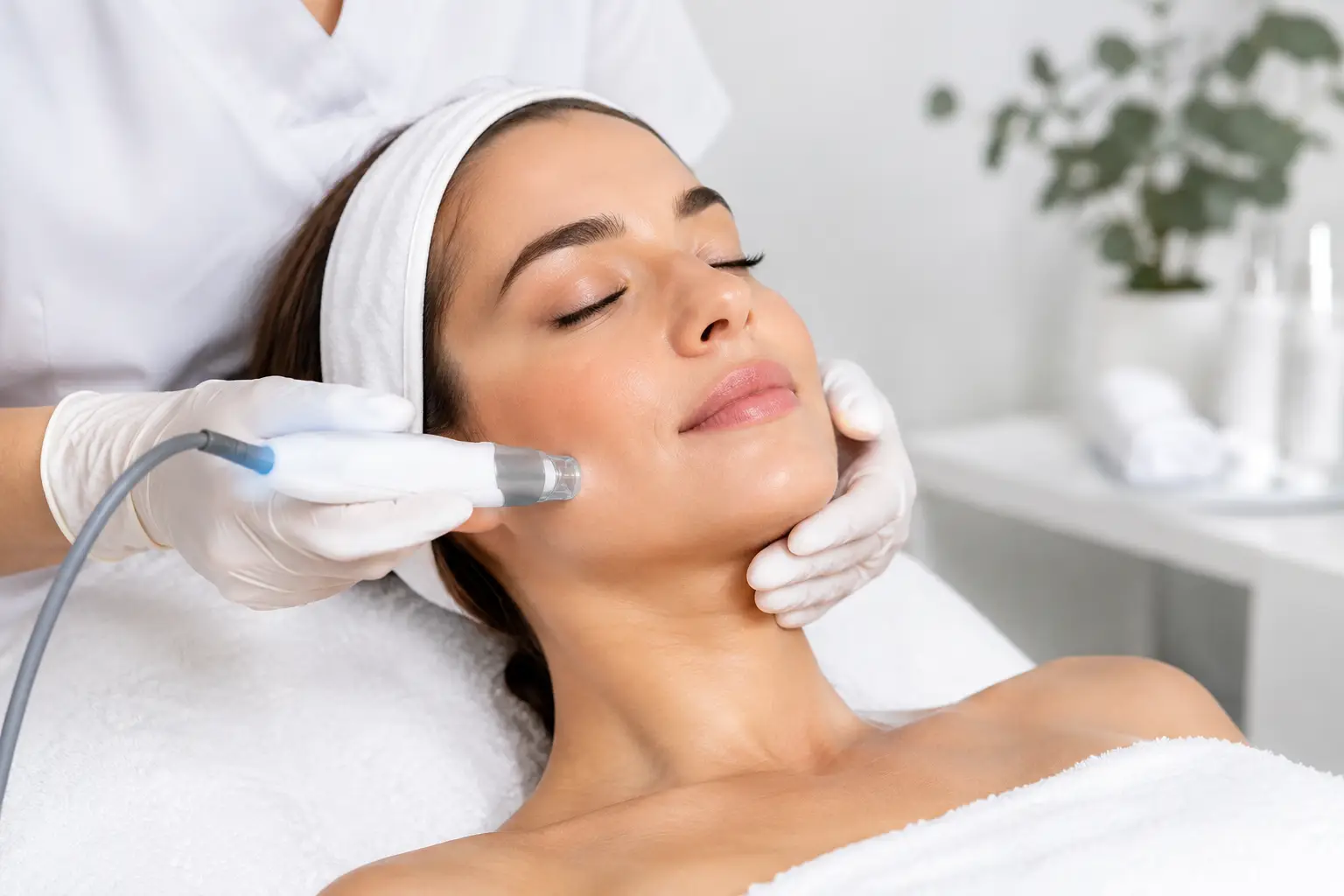
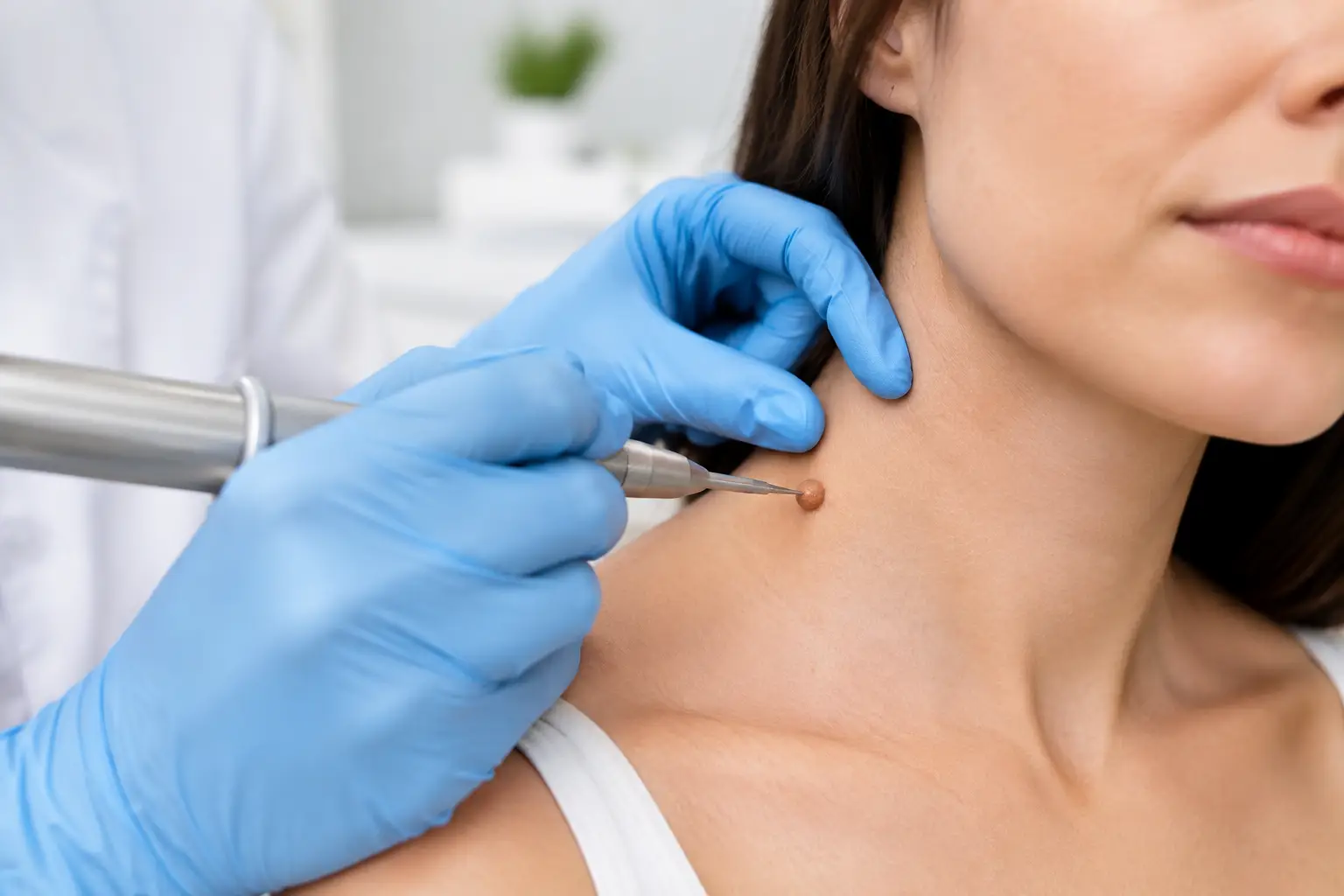
Plasma fibroblast treatment uses a precise plasma arc to target the skin tag without cutting it away with a blade. The controlled energy is applied carefully to the unwanted tissue while limiting unnecessary contact with the surrounding skin.
Depending on the size and position of the tag, it may reduce immediately or gradually dry and separate as the area heals. A small crust or scab is expected after treatment and must be allowed to fall away naturally. Picking or rubbing the area can delay healing and increase the risk of a visible mark or pigment change.
The procedure is usually quick for one or two small tags, although larger tags or multiple treatment areas may need more time and, in some cases, an additional session. Suitability and the likely treatment plan are explained during the consultation.
Plasma fibroblast is not appropriate for every raised or changing mark. Anything new, irregular, bleeding, unusually dark, painful or changing should be assessed through the appropriate medical route before cosmetic treatment is considered.
Choosing the right approach for your skin
The neck and underarms are common concerns because tags in these areas can catch on clothing and jewellery. These areas may also experience ongoing moisture and friction, which can affect aftercare. Facial tags require additional accuracy because the skin is often more visible and, in certain zones, more delicate.
Your treatment plan should take account of your aesthetic priorities as well as safety. If your concern is a tag that has become a daily annoyance, you may prioritise a method with minimal disruption. If it is in a prominent area, you may be more focused on cautious technique and aftercare designed to reduce the risk of prolonged redness or textural change.
No removal method can promise completely invisible healing. Temporary redness, small scabs, pigment changes and, less commonly, scarring are possible. Your individual skin response, the size of the tag and how closely aftercare is followed all influence the final appearance.
What happens at a skin tag removal appointment?
A good appointment starts with a consultation, not immediate treatment. I will examine the area, confirm whether plasma fibroblast treatment is suitable and explain what you can expect during and after the procedure. This is the time to mention previous reactions to treatments, skin sensitivities, medications and any tendency to develop noticeable scars.
If treatment goes ahead, the skin is cleansed and the plasma fibroblast treatment is performed carefully. The procedure itself is often short, particularly when treating one or two small tags. Larger numbers of tags or sensitive locations may require more time.
Before you leave, you should receive clear aftercare guidance based on the method used. Ask when you can return to exercise, shaving, swimming, makeup or active skincare around the area. These details are not identical for every treatment site.
Healing and aftercare: the details that make a difference
After removal, it is normal for the skin to look red or feel mildly tender. A small crust, scab or darker spot can form before the area settles. Healing times vary, but many small treatment sites improve over the following days to a couple of weeks. Areas exposed to rubbing, such as underarms or the neck, can take longer to settle comfortably.
Keep the site clean and avoid touching it unless you are following specific aftercare instructions. Do not pick at a scab, attempt to remove remaining tissue or apply harsh acids, exfoliants or fragranced products to healing skin. If the treated area is exposed, protect it from strong sun once the skin has closed, as ultraviolet exposure can make post-treatment discolouration more noticeable.
Avoid shaving directly over the site until it has healed. If a tag was removed from an area affected by jewellery, tight clothing or a bra strap, reduce friction where practical. Contact the treating practitioner if you have concerns about worsening discomfort, increasing redness, discharge or delayed healing.
Why DIY skin tag removal is not worth the risk
At-home removal kits, cutting tools and tying methods may look convenient, but they offer none of the certainty of a professional assessment. It can be difficult to judge what the growth is, how deep its base extends or whether it is safe to treat in that location. This is especially true around the eyes, on the face and in areas with thin or sensitive skin.
DIY attempts can lead to unnecessary bleeding, infection, burns, scarring and pigment changes. They can also turn a small cosmetic concern into a longer healing process. A professional setting provides sterile technique, appropriate methods and advice that is specific to your skin rather than a one-size-fits-all instruction leaflet.
For clients seeking polished, well-considered skin treatments in Leigh and the surrounding area, Mr Aesthetics believes confidence should be built on informed choices. A consultation gives you the space to discuss the concern openly, understand whether removal is suitable and choose a route that puts skin health and a refined result first.