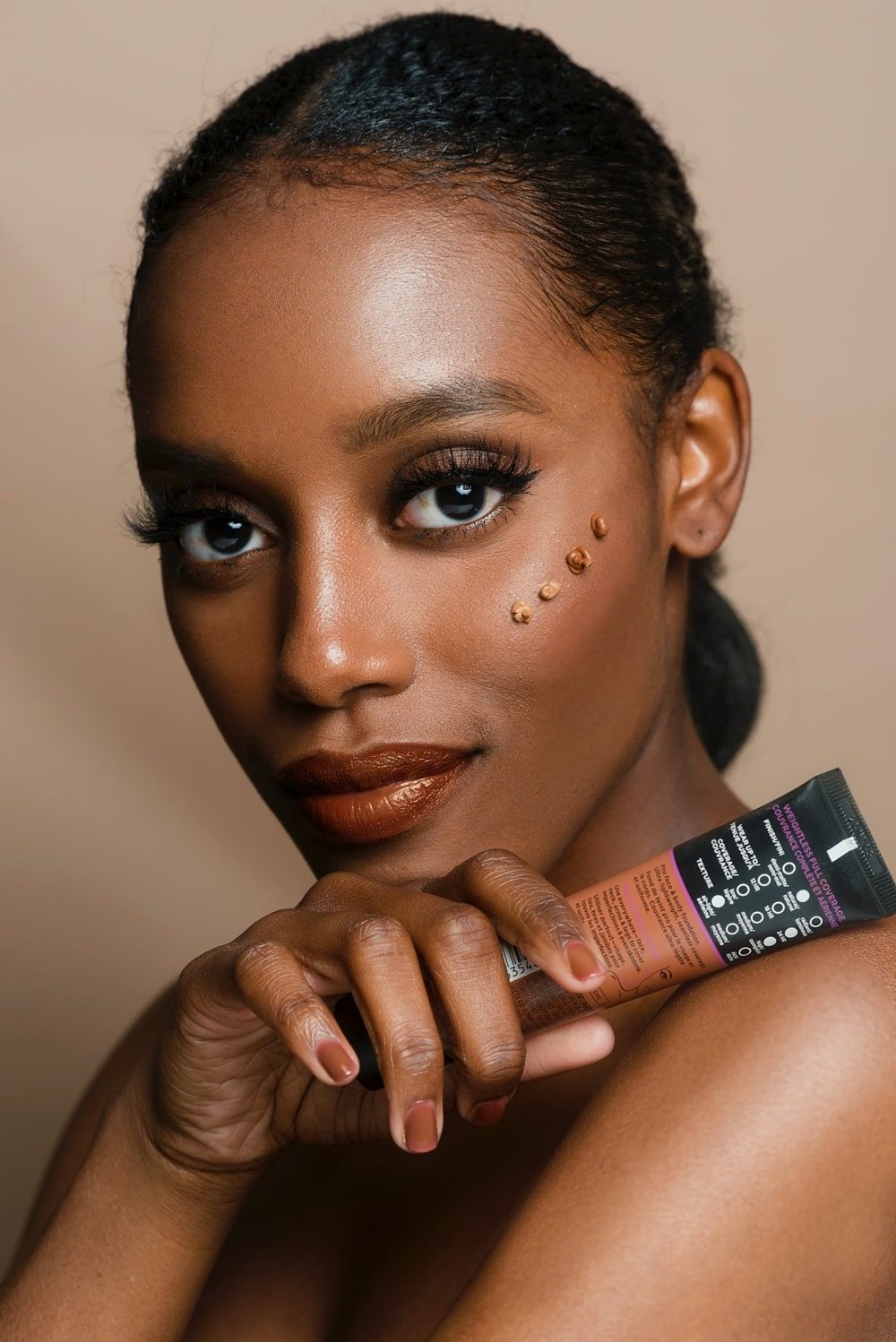
A sharper jawline, softer under-eye transition or more structured cheek area can make the whole face look refreshed without changing who you are. Facial contouring is not about chasing one fixed look. It is a personalised approach to balancing proportions, replacing support lost over time and bringing definition to features that may feel less visible in photographs or the mirror.
For some people, that means restoring cheek volume that has gradually reduced. For others, it is refining a side profile with non-surgical rhinoplasty, strengthening a recessed-looking chin, or treating fullness beneath the jaw. The best plan starts with your face as it is, not a copied treatment map.
What facial contouring can change
The face naturally changes with age, weight fluctuations, genetics and skin quality. Fat pads can shift, collagen and elastin production slows, and areas that once looked softly lifted may begin to appear flatter or heavier. This is why a treatment focused only on one line or feature can sometimes feel incomplete.
Strategic use of dermal filler can restore shape and support in selected areas. Hyaluronic acid fillers, including established brands such as Juvéderm and Restylane, are commonly used to add structure while maintaining a soft, natural-looking finish. The goal is not simply to add volume. It is to place it where it creates better balance.
Cheek enhancement may create a more lifted mid-face and reduce the appearance of hollowing beneath the eyes. Chin and jaw augmentation can improve lower-face definition and the relationship between the chin, lips and nose. Temples can also lose volume, making the upper face look narrower or more tired than it did previously. Treating this area, where appropriate, can create a smoother transition from forehead to cheek.
Facial contouring may also include fat-dissolving injections for a small, localised pocket of fat beneath the chin or around the lower face. These use deoxycholic acid to break down fat cells gradually. This is not a substitute for weight management, and it is not the right answer to every concern. Skin laxity, facial anatomy and the amount of fullness present all affect whether it is a suitable option.
Shape first, volume second
A common misconception is that contouring always means a noticeably fuller face. In skilled, conservative treatment planning, the opposite is often true. A small amount of well-positioned filler can create light and shadow that makes the face appear more defined, rather than obviously treated.
The cheekbone, for example, does not always need to be made larger. Sometimes it needs subtle lateral support or a gentle lift higher on the face. Likewise, an undefined jawline may be linked to a chin that lacks projection, early jowl formation, localised fullness under the chin, or a combination of these factors. Treating the jaw alone may not produce the most balanced result.
This is why an in-person consultation matters. Your practitioner can assess facial proportions from the front and side, skin condition, symmetry and movement. They should also ask what you would like to see change, whether that is looking less tired, creating a cleaner profile, or achieving more definition without looking overfilled.
Treatments that may form part of a plan
There is no single injectable treatment called a contouring package that suits everyone. A considered plan may use one treatment or a combination, depending on your features, goals and budget.
Dermal fillers are often the foundation for contouring because they can define cheeks, chin, jawline, temples and selected profile areas with immediate visible shaping. Lip filler can be included when the lips need a little more support or balance in relation to the rest of the face, but it should not automatically be part of every plan.
Non-surgical rhinoplasty uses carefully placed filler to smooth certain profile irregularities or create the appearance of a straighter, more balanced nose. It cannot reduce the size of the nose or correct every concern, so a careful assessment is essential.
Anti-wrinkle injections can complement structural work when muscle activity is contributing to a square-looking lower face, pronounced expression lines or a gummy smile. By relaxing selected muscles, they may soften pull in an area and allow the overall shape to look more harmonious. Results develop gradually rather than instantly.
PDO threads may be considered for people seeking support and a subtle lifting effect where skin laxity is a key concern. Skin boosters and Profhilo work differently again. They focus on hydration and skin quality, helping improve the appearance of crepey, dull or dehydrated skin, rather than replacing volume or sharply sculpting a feature.
Choosing your facial contouring plan
The most flattering contouring plan is usually built in stages. Starting conservatively gives you time to see how your face settles and decide whether further refinement is genuinely needed. It can also make treatment more manageable financially and reduce the temptation to correct every small asymmetry at once.
During consultation, be clear about the finish you want. Terms such as “snatched”, “natural”, “lifted” and “sculpted” mean different things to different people. Bringing a few reference images can help communicate your preference, but your own anatomy should remain the guide. A result that flatters someone else’s face may not suit yours.
It is also worth discussing previous filler, even if it was placed elsewhere or some time ago. Existing product, treatment history and any areas of tenderness or persistent swelling can influence the safest approach. Honesty allows for better planning.
At Mr Aesthetics, facial goals are approached with a menu of non-surgical options rather than a one-size-fits-all solution. That makes it possible to focus on the area that matters most to you first, then build a plan around visible, proportionate improvement.
What to expect after treatment
Many contouring treatments are appointment-friendly, with minimal downtime, but “minimal” does not mean no recovery at all. Temporary swelling, redness, tenderness and bruising can occur after injections. The treated area may look a little uneven while swelling settles, particularly around the lips, cheeks and jawline.
Avoid planning an important event immediately afterwards if you want time for the area to settle. Your practitioner will provide aftercare suited to the treatment you have received, including when to avoid strenuous exercise, alcohol, excessive heat or pressure on the area.
Dermal filler results are visible straight away, although the final appearance should be judged only after initial swelling has reduced. Longevity varies according to the product, placement, metabolism and movement in the treated area. Anti-wrinkle treatments and fat-dissolving injections work on a different timeline, with results developing over days or weeks and, in some cases, requiring a course of treatment.
Safety should never be an afterthought
Injectables are medical aesthetic procedures, even when treatment is quick. A reputable consultation should include questions about your health history, current medicines, allergies, previous aesthetic treatments and realistic expectations. You should understand the product being used, why it has been selected and what the likely side effects and risks are before deciding to go ahead.
Filler treatment carries uncommon but serious risks as well as more familiar temporary side effects. Choose a suitably trained, experienced practitioner who understands facial anatomy, works with recognised products and has a clear approach to complication management. After treatment, seek urgent professional advice if you experience severe or increasing pain, unusual skin colour changes, marked coldness in an area, or any visual disturbance.
Good contouring should still leave room for your expressions, personality and natural asymmetry. The most effective result is often the one that prompts people to say you look well, rested and confident, without being able to identify exactly why.