A widening parting, more scalp showing through at the crown, or extra hair left in the brush can quietly affect how you feel when you look in the mirror. PRP hair restoration is a non-surgical treatment designed to support the scalp and encourage fuller-looking, healthier hair by using platelet-rich plasma taken from your own blood.
It is a popular option for women and men who want to address early to moderate thinning without a lengthy recovery period. Results vary from person to person, but for suitable clients, PRP can be a considered way to invest in hair quality, density and confidence.
What is PRP hair restoration?
PRP stands for platelet-rich plasma. Platelets are natural components found in your blood and contain growth factors involved in the body’s repair processes. During PRP treatment, a small blood sample is taken and placed in a centrifuge. This separates the platelet-rich plasma from the other blood components.
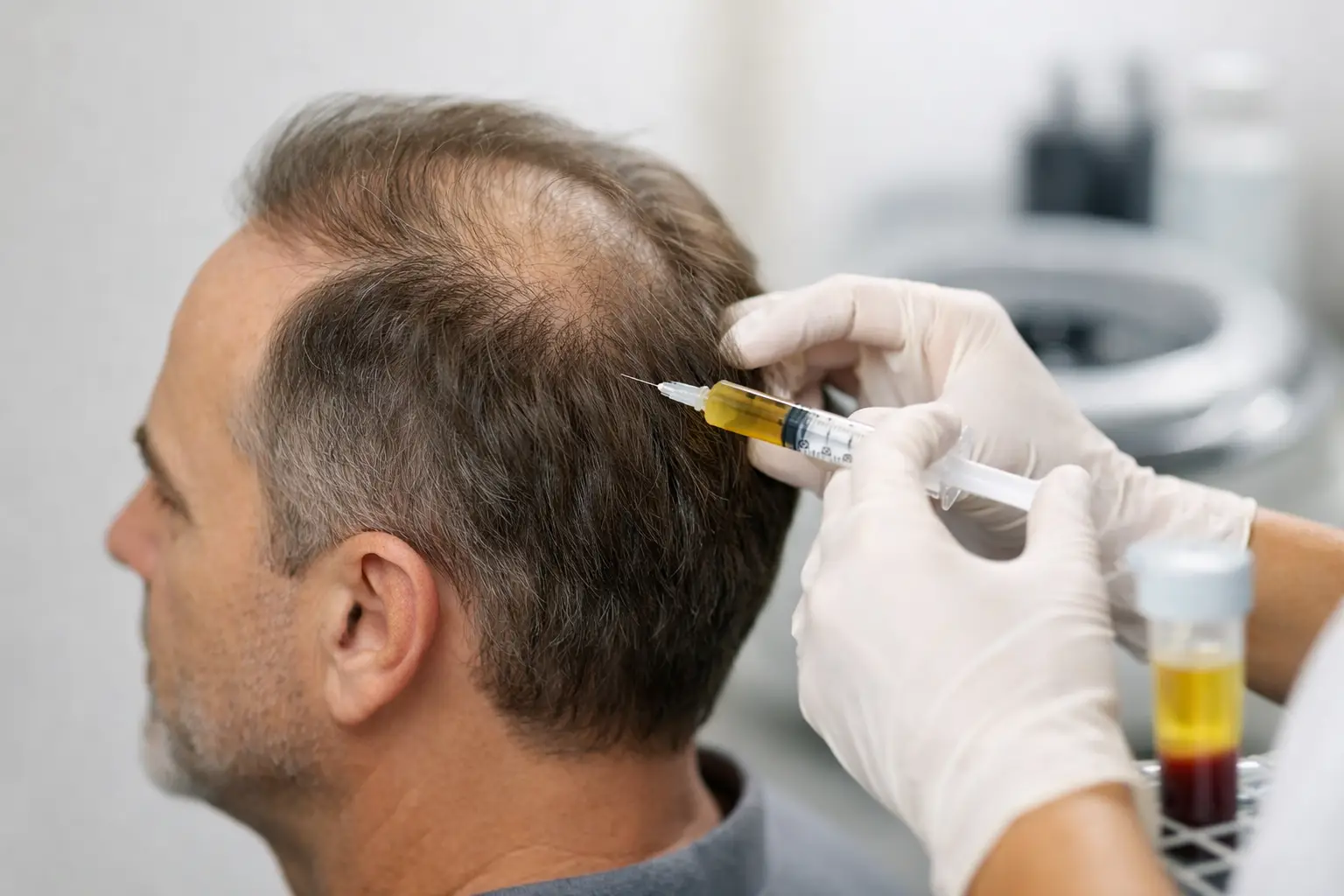
The concentrated plasma is then carefully placed into selected areas of the scalp using a series of small injections. The aim is to create a more supportive environment around the hair follicles, helping existing hairs look stronger and encouraging improved density over time.
PRP is not a filler, and it does not add artificial volume to the scalp. It is a regenerative treatment that works with material from your own body. That makes it appealing to clients who want a natural-led approach to hair thinning, while still benefiting from a professional, clinic-based treatment plan.
How PRP supports thinning hair
Hair growth follows a cycle. Each follicle moves through growing, resting and shedding phases, and this cycle can be affected by age, hormones, stress, genetics and general scalp health. When follicles begin producing finer, shorter hairs, the result may be a less dense appearance across the hairline, temples, parting or crown.
Platelet-rich plasma contains signalling proteins and growth factors. When introduced into the scalp, these are intended to support follicle activity and local tissue health. Over a course of treatment, some clients notice reduced shedding, improved hair texture or a gradual improvement in coverage. Changes tend to be subtle at first because hair naturally grows slowly.
This is why PRP hair restoration is best viewed as a process rather than a one-off quick fix. It may help improve the appearance of thinning hair, but it cannot promise a particular density, recreate a long-lost hairline or produce identical results for every client.
Who may be a good candidate?
PRP can be especially worthwhile when thinning is noticed early, while there are still active follicles in the area being treated. It is commonly considered by clients with diffuse thinning, a widening parting, early recession around the temples or reduced density at the crown.
Women experiencing a change in hair volume and men concerned about gradually thinning areas may both be suitable, subject to consultation. The quality of the remaining hair, the pattern of thinning, your medical history and your expectations all matter. A consultation should establish whether PRP is appropriate and whether the treatment area is likely to benefit.
It may not be the right choice for everyone. If hair loss is sudden, severe, patchy, accompanied by scalp discomfort, or causing you concern for any health reason, it is sensible to speak to a qualified healthcare professional before booking aesthetic treatment. PRP should be approached responsibly, with a clear understanding of what it can and cannot do.
What happens at a PRP appointment?
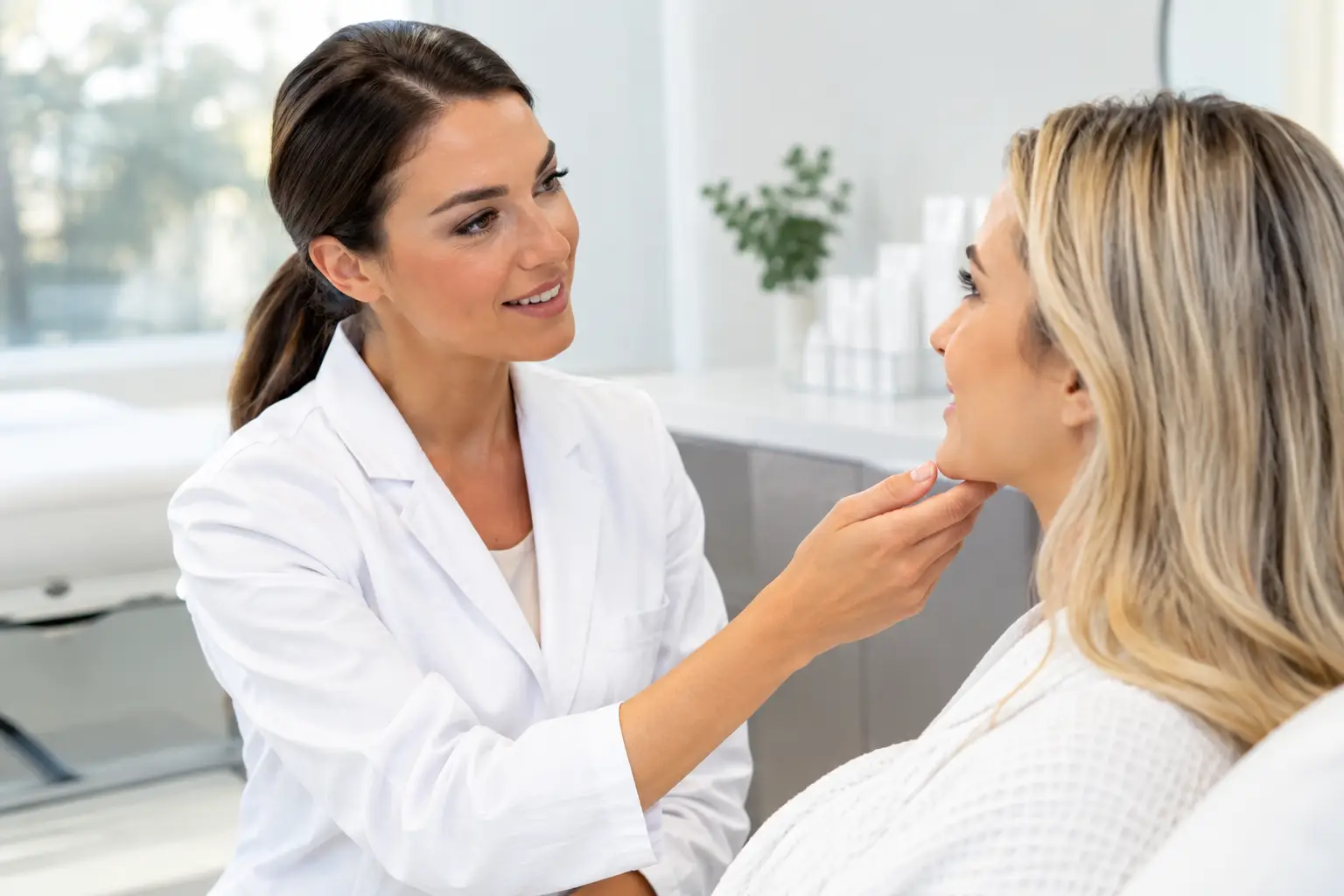
Your appointment begins with an assessment of your concerns, the areas you would like to improve and your treatment goals. Photographs may be useful for tracking progress, as daily mirror checks can make gradual changes difficult to judge fairly.
A small amount of blood is taken, much like a routine blood test. It is then processed in a centrifuge to prepare the platelet-rich plasma. Once the scalp has been cleansed, the PRP is injected into the planned areas. The procedure is usually well tolerated, although the scalp can be sensitive and you may feel brief pinching or pressure with each injection.
The appointment is relatively efficient, making it practical for clients with busy schedules in Leigh, Wigan and the surrounding area. There is usually little downtime, but your practitioner will give you personalised aftercare based on your treatment and skin sensitivity.
How many sessions are needed?
A course is generally recommended rather than a single session. The number and spacing of appointments will depend on the degree of thinning, the treatment area and how your hair responds. Many plans begin with several sessions spaced a few weeks apart, followed by maintenance sessions where appropriate.
This staged approach gives the scalp time to respond between appointments and allows your practitioner to review progress. Hair grows in cycles, so visible improvement is typically measured over months rather than days. Consistency matters more than chasing an instant transformation.
At your consultation, ask about the proposed schedule, how progress will be assessed and when maintenance may be considered. Transparent expectations are part of a good treatment experience.
When will you see results?
Some clients first notice that their hair feels less fragile or that shedding seems more manageable. More visible changes, such as hair appearing thicker or the scalp being less noticeable in certain areas, can take several months. This timing is normal because the treatment works alongside the natural hair cycle.
Results can depend on many factors, including your age, genetics, overall health, the cause and stage of thinning, lifestyle and whether you complete the recommended course. PRP may help preserve and improve the look of existing hair, but it is not a guarantee of regrowth.
Taking consistent photographs in the same lighting, with the same parting and angle, is often more useful than relying on memory. It provides a clearer, more realistic picture of gradual change.
PRP aftercare and temporary side effects
Most clients return to normal activities soon after treatment. It is common to have temporary tenderness, redness, small raised areas at injection points or mild swelling on the scalp. These effects are usually short-lived.
Your practitioner may advise you to avoid washing your hair, strenuous exercise, heat exposure or hair products for a short period after the appointment. Follow the specific guidance you are given, as aftercare can differ depending on your individual treatment plan.
Avoid rubbing or picking at the scalp. If you have questions about discomfort, your usual medication or when to resume a particular activity, ask before treatment rather than making assumptions. A professional clinic should always give you clear aftercare and a route to seek advice if needed.
Why consultation matters for hair restoration
Hair thinning is personal. For one person, the priority is softening the look of a widening parting; for another, it is improving the crown before a special event or feeling more confident styling their hair up. A tailored consultation ensures the plan is based on your actual pattern of thinning, not a generic promise.
At Mr Aesthetics, PRP hair restoration is approached with the same focus on natural-looking enhancement that guides every treatment. The goal is not to make unrealistic claims. It is to assess whether platelet-rich plasma may be a suitable way to support your hair and help you feel more like yourself.
If thinning hair is changing the way you style, photograph or carry yourself, an honest consultation can bring clarity. The most rewarding result is often not a dramatic overnight change, but the steady confidence that comes from giving your hair and scalp thoughtful, professional support.
View the PRP Hair Restoration in Leigh service page for confirmed area prices, consultation details and booking options.